Amazon Bedrock Ops Alert is a CloudFormation-based solution that implements three complementary detection layers: Layer 1 monitors throttles, client errors, and server errors for immediate alerting; Layer 2 compares RPM (requests per minute), TPM (tokens per minute), and latency against dynamically calculated thresholds; Layer 3 uses CloudWatch machine learning to identify unusual patterns across metrics.
The solution automatically calculates alarm thresholds by querying the Service Quotas API for current quota values and applying configured percentages, storing thresholds in AWS Systems Manager Parameter Store rather than requiring manual recalculation when quota increases are approved.
Organizations using the solution can reduce operational overhead through duplicate case prevention, context-aware support case automation that equips AWS support engineers with needed information, and contextualized notifications to AI SRE teams—addressing reactive operations, case context enrichment, and manual threshold updates across multiple foundation models.
Summaries like this, in your inbox every morning.
Pick your industry and the AI tools you use, and get news related to your work every day.
Free · 30 seconds with Google · unsubscribe anytimeWhat is AIToday? →
Ask AI anything about this article. The AI reads this article, earlier AIToday articles, and Wikipedia, and cites its sources. Q&As are published on this page for other readers too.
JR Central announced the S0系 on October 16, its first full model change since the N700S, with commercial servi…

The Air Force upgraded the X-62 VISTA with advanced radar, expanded sensors and computing, and modern network…

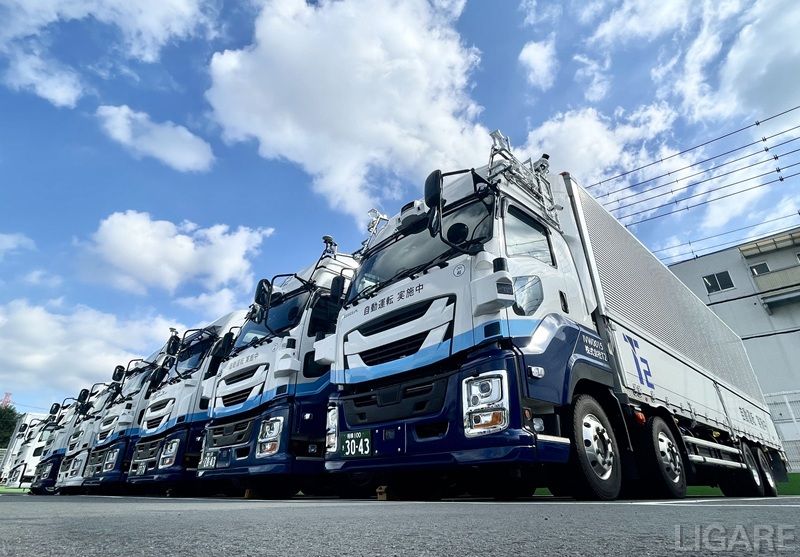
T2 said it will join ENEOS and others in the Agency for Natural Resources and Energy's demonstration project f…
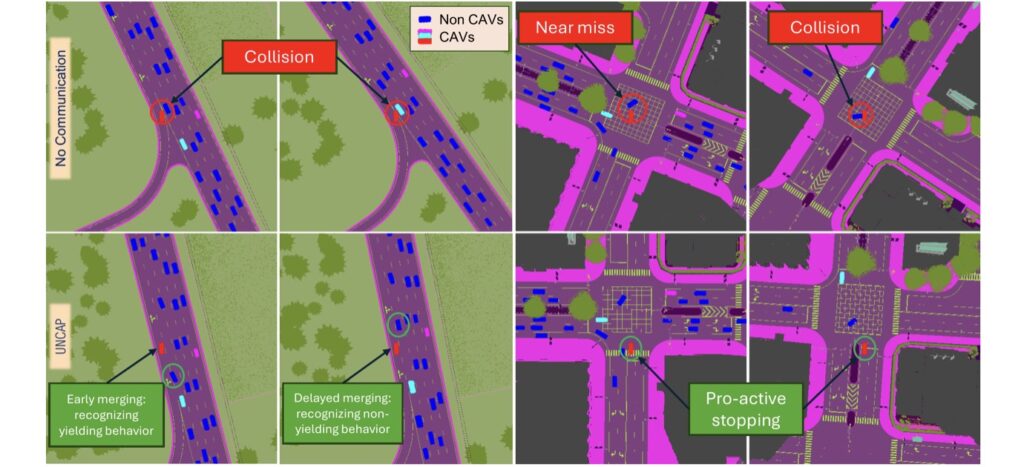
Researchers present neurosymbolic planning using natural language communication for cooperative autonomous veh…
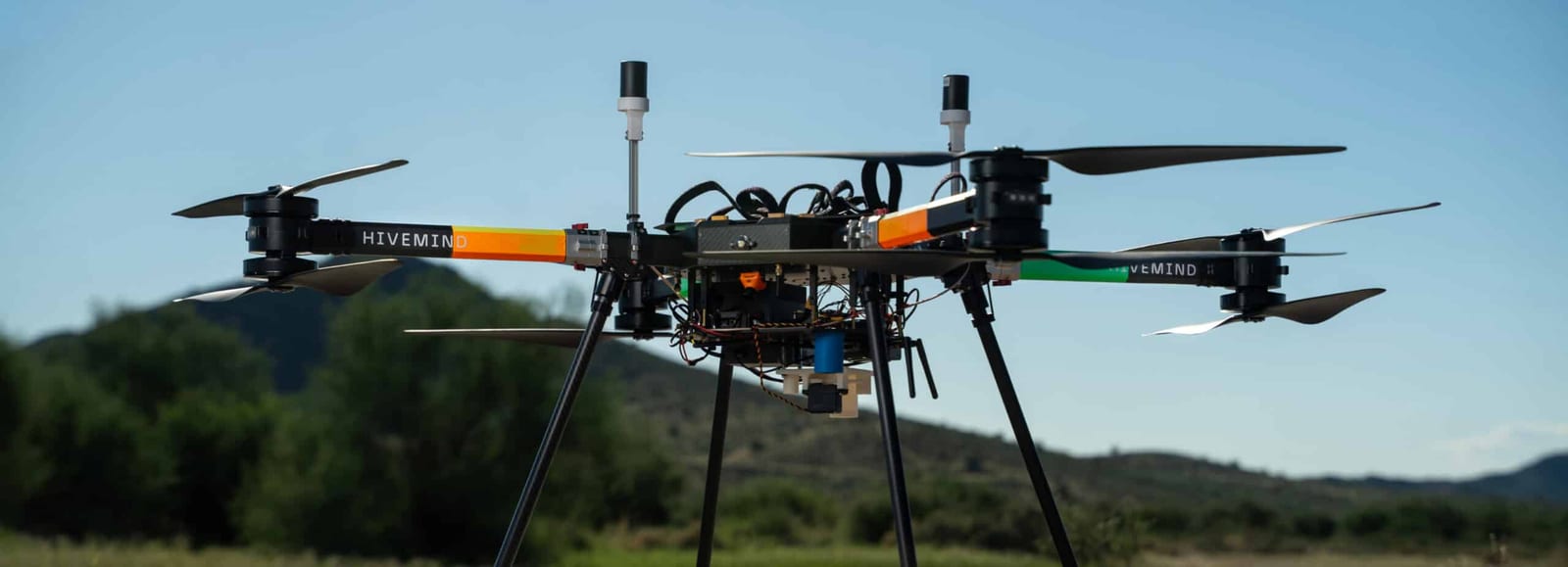
Honeywell Aerospace flew a BFD-SE8 autonomously in mid-June, six weeks after starting Shield AI's Hivemind Ent…
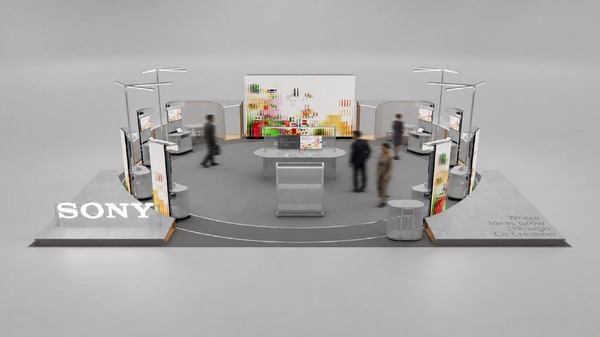
Sony will exhibit at CEATEC 2026, held October 13–16 at Makuhari Messe in Chiba, under the theme "Where Ideas…