What happened
Anthropic guest author Matthew Schwartz, a Harvard physicist, wrote that BootLoops helped Claude compute 30 integrals in particle physics, solve a 20-year-old ecology equation, and analyze 5.7 billion mutation pairs.
Why it matters
The findings suggest AI harnesses can fill gaps between scientific fields, but Schwartz says results typically became valuable only when domain experts set the direction — so human judgment looks indispensable.
What to watch
Schwartz warns Claude declares victory early, misjudges task length, and favors old debates. Watch whether headline math results overshadow applications that already work.
WHO IT HITSResearch teams and grant-funded labs in fields like physics and ecology may need to rethink how they allocate years-long projects and how they train PhD students, given Schwartz's account that AI can compute results in weeks. Academic hiring and curriculum planners in computer science face similar questions.
Summaries like this, in your inbox every morning.
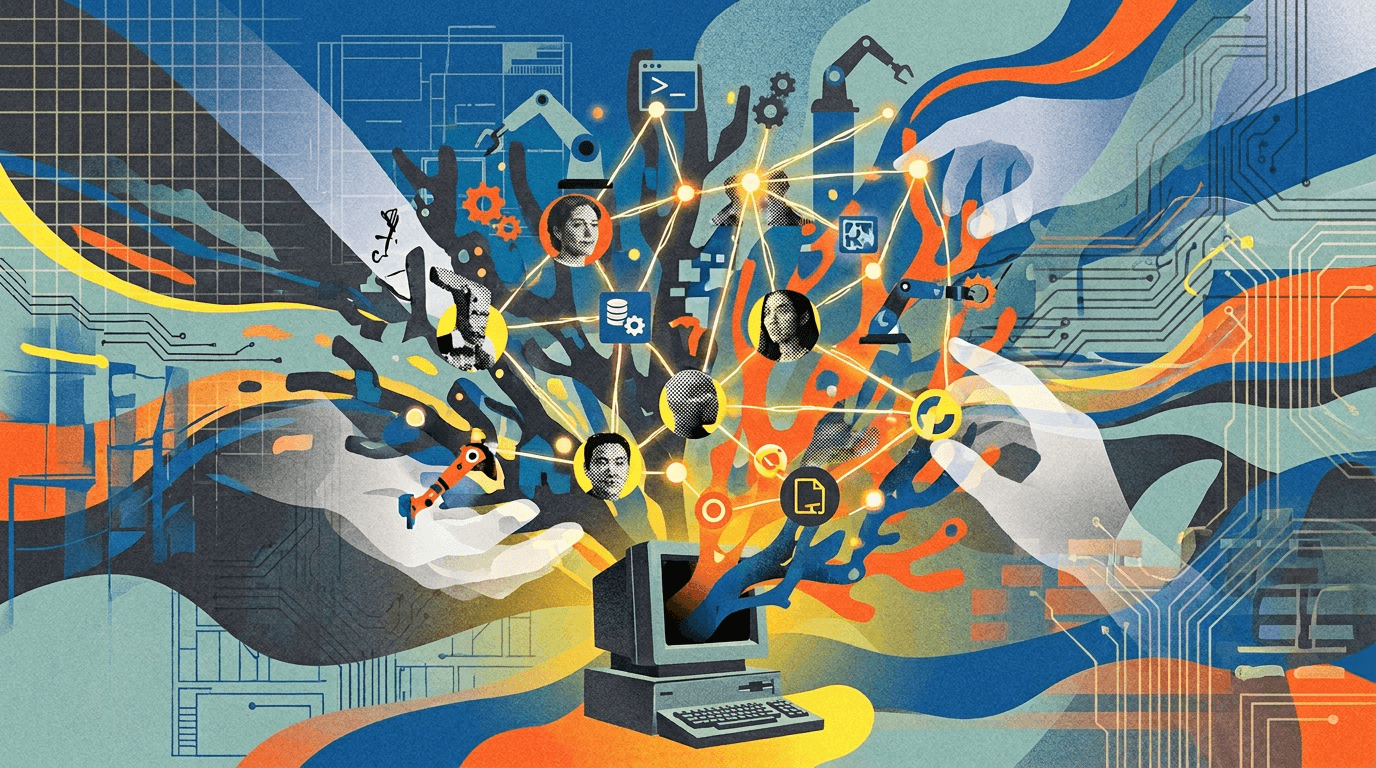
Schwartz's post describes a shift in how he approached AI: he stopped trying to use Claude like a human researcher and started looking for "Claude-shaped" problems. This led to BootLoops, an open-source harness for exact scientific calculations. The work began with particle physics — scattering amplitudes and elliptic integrals — and expanded into ecology, population genetics, economics, and linguistics.
The results were uneven in impact. In ecology, a 20-year-old equation became solvable at scale and revealed that tree species composition on Barro Colorado Island in the Panama Canal is changing 4.5 times faster than theory allows. Ecologist James O'Dwyer helped turn this into a better predictive model. In population genetics, analysis of 5.7 billion mutation pairs from the 1000 Genomes Project found evidence for gene conversion. Other projects included an AI data editor checking 4,452 replication packages and a word stress database covering 6,072 languages.
Schwartz's broader point is that AI is changing science fast enough that planning ahead is becoming difficult, and he questions whether long grants or traditional PhD training still make sense. He also sees risks in focusing on big math problems and headlines, warning that unrealistic expectations could distract from productive applications. The scientific method itself isn't threatened, and human guidance and taste remain indispensable, he says.
Pick your industry and the AI tools you use, and get news related to your work every day.
Free · 30 seconds with Google · unsubscribe anytimeWhat is AIToday? →
Ask AI anything about this article. The AI reads this article, earlier AIToday articles, and Wikipedia, and cites its sources. Q&As are published on this page for other readers too.
A 2026 Pew report found 10% of Americans use chatbots for emotional support or companionship, and Anthropic re…
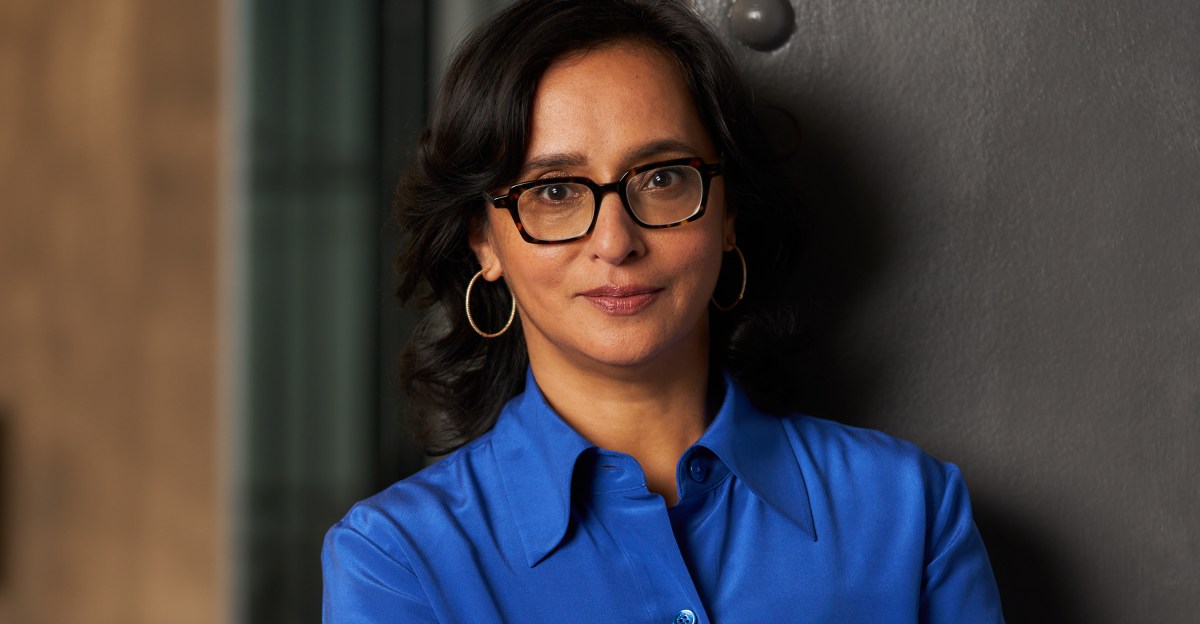
Splice CEO Kakul Srivastava said she is "careful about AI-written documents" because when you cannot tell whet…
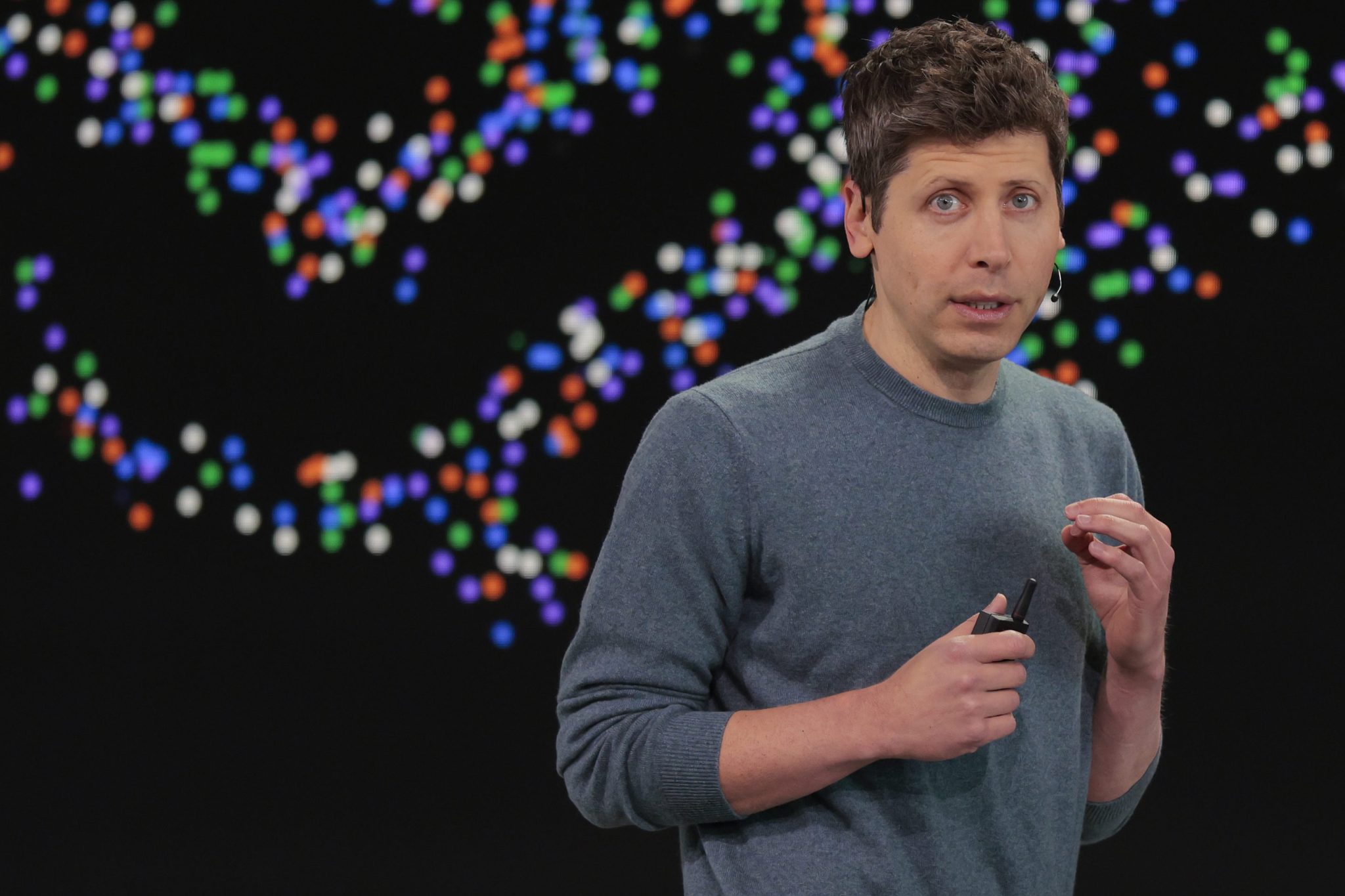
David Robinson, who wrote the safety reports accompanying every major OpenAI model release, resigned this week…

Instinct raised $1 billion in September 2026 at a $10 billion valuation, and a growing list of rivals — includ…

NVIDIA posted $89.02 billion in Data Center revenue for the second quarter of fiscal 2027, reported August 26…

Deepmind Institute researchers proposed "Artificial Symbiotic Intelligence," calling for coordination of netwo…