What happened
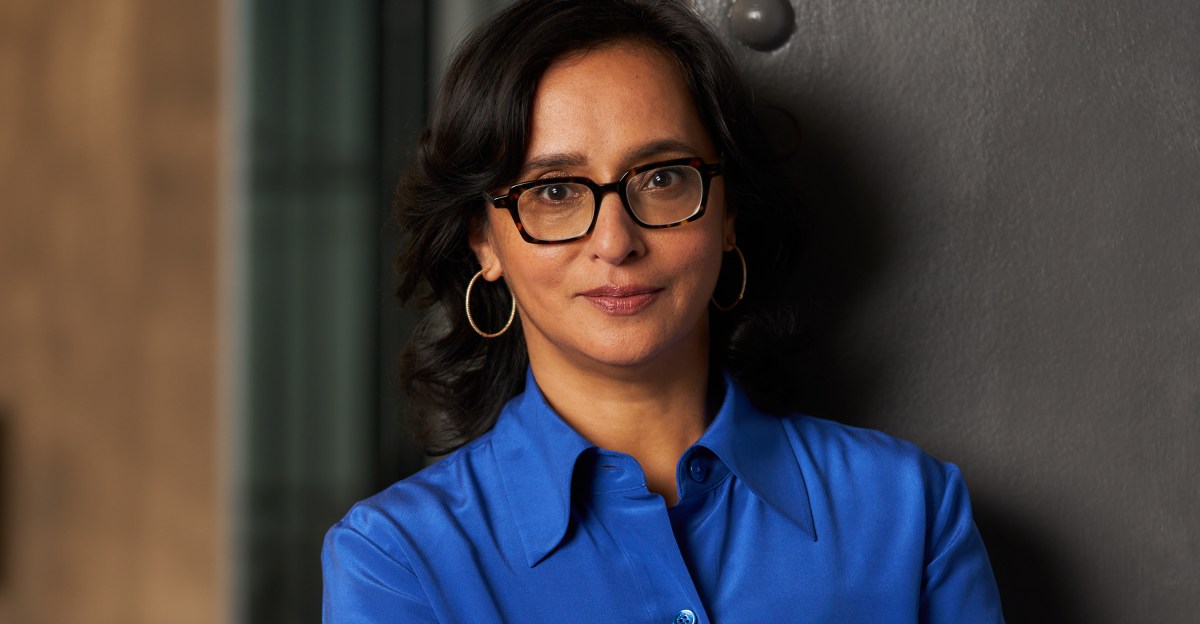
Splice CEO Kakul Srivastava said she is "careful about AI-written documents" because when you cannot tell whether a person is behind the words, the conversation about the work becomes worse and you cannot go back.
Why it matters
For a remote-first company with no hallway, losing that human signal threatens the kind of debate that Srivastava says produced almost everything good at the company, and she sees the same risk in music.
What to watch
Her position is a stated preference, not a company policy, so the test is whether she keeps AI out of Splice's own communication as the company pushes further into generative AI products.
WHO IT HITSThis lands on remote-first teams whose managers rely on written documents to debate ideas, and on creative-tools product leaders deciding how much AI to build into workflows where a human voice is the point.
Summaries like this, in your inbox every morning.
Srivastava's comments come from a career spent between Silicon Valley and creative work — executive roles at Flickr, Yahoo, GitHub, and Adobe before Splice. At Splice she has expanded the platform by acquiring Spitfire Audio and overseen its moves into generative AI, while last year using an episode of Decoder to argue against the sort of "push-button, get-song" AI that has made companies like Suno controversial. Her skepticism, based on her questionnaire answers, has not faded.
What ties her answers together is a consistent test: whether a human is still making decisions that cannot be taken back. She applies it to documents at a remote-first company with no hallway to argue in, and to music, where she says the same thing is true. The recipe story — reconstructing her mother's food from strangers' YouTube videos — is her example of technology at its best, precisely because a person put something of themselves into it.
The stakes for Splice hinge on whether a stated personal preference becomes a practice inside a company that is also building AI products. If written documents are where a remote team's arguments live, the quality of those arguments may depend on how much of the writing still sounds like a person.
Pick your industry and the AI tools you use, and get news related to your work every day.
Free · 30 seconds with Google · unsubscribe anytimeWhat is AIToday? →
Ask AI anything about this article. The AI reads this article, earlier AIToday articles, and Wikipedia, and cites its sources. Q&As are published on this page for other readers too.
AMD closed at $611.76 on September 30, giving it a market value of about $998.68 billion, against trailing fre…
24/7 Wall St. set a $531.86 price target on Taiwan Semiconductor Manufacturing, about 16.53% above its $456.41…

Dominic Davies, CEO of patent firm Lightbringer, said the physical AI race will be won by whoever owns the tec…

David Robinson, formerly of OpenAI's Trustworthy AI team, left and wrote a guest essay for The Atlantic arguin…

A 2026 Pew report found 10% of Americans use chatbots for emotional support or companionship, and Anthropic re…
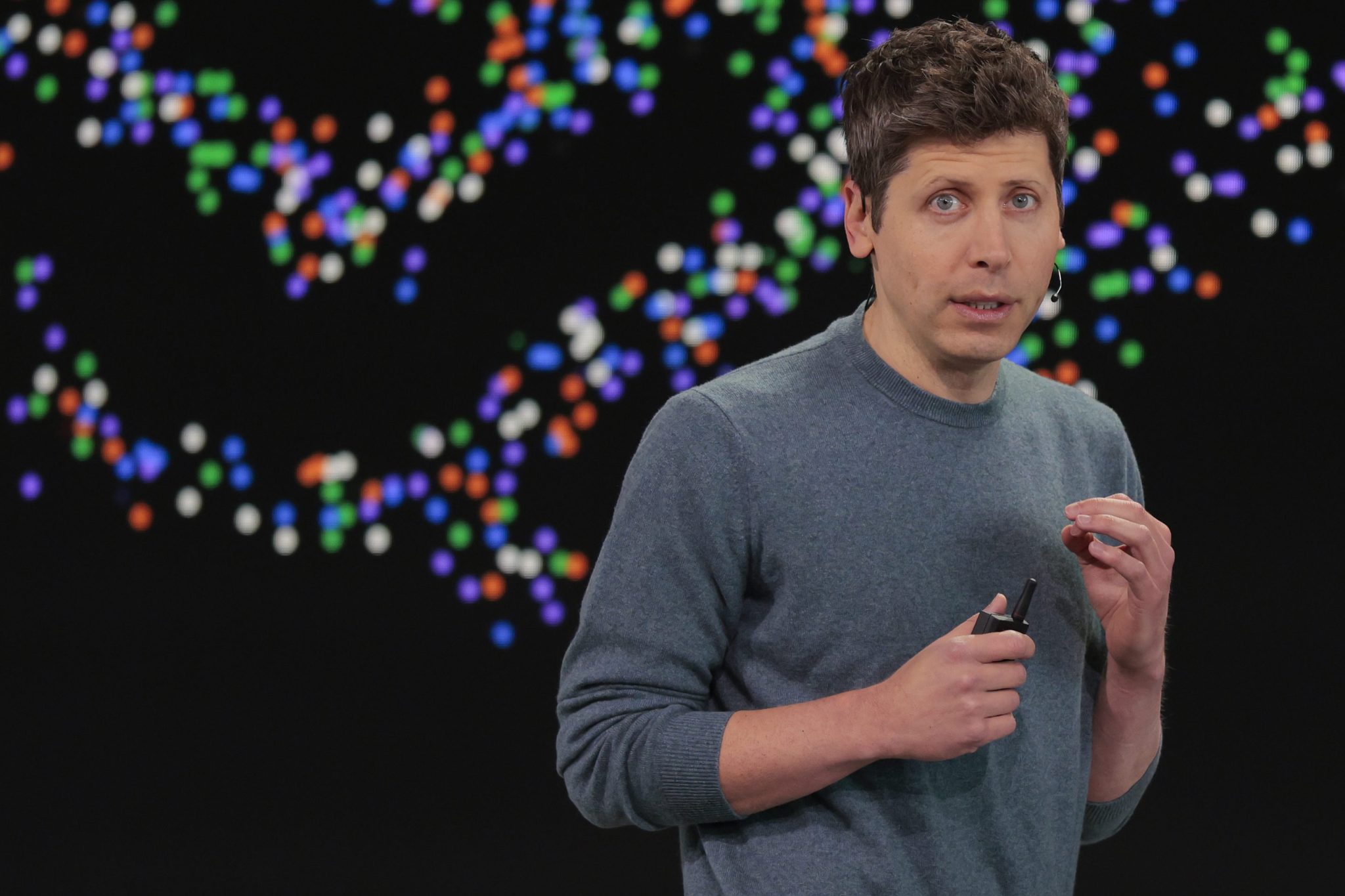
David Robinson, who wrote the safety reports accompanying every major OpenAI model release, resigned this week…