What happened
Anthropic debuted Claude Opus 5.5, which it says matches flagship Fable 5.1 performance at around 40% less cost than Opus 5. OpenAI released GPT-6 Sol and GPT-6 Luna, slashing API cost 50% below its current GPT-5.6 promotion.
Why it matters
The near-simultaneous releases show the two labs competing hard on price for cost-conscious business customers, even after both CEOs publicly called for pacing frontier AI development.
What to watch
Ramp's Ara Kharazian warns the price war is driving down the labs' ability to profit from and grow model prices — a dynamic bullish investors may not be factoring in. Watch whether Sonnet 5.5 and Haiku 5.5 arrive as Anthropic says, over the coming weeks.
WHO IT HITSEnterprise procurement and finance teams evaluating AI vendors gain more cheaper options, while the labs' own margins face pressure as model prices fall. CFOs tightening AI budgets and scrutinizing ROI are the immediate beneficiaries, according to the consultants quoted.
Summaries like this, in your inbox every morning.
Both releases came within hours of each other, a sign of the labs' heated rivalry, and they arrive just weeks after Anthropic CEO Dario Amodei published a blog post calling for a coordinated attempt to pace the frontier, which OpenAI CEO Sam Altman supported on X. Anthropic acknowledged Opus 5.5 is its first release since that call, and said the model underwent its most rigorous alignment testing to date, with the same tier of cybersecurity, biology, and frontier-AI-development safeguards previously reserved for Fable 5.1.
The two companies are already deep into a price war playing out on two fronts, according to Ramp lead economist Ara Kharazian: cheaper models businesses are shifting toward, and outright price cuts on the most expensive ones. That dynamic is how technology markets have traditionally worked, he said, though bullish investors may not be factoring it in. Neither Opus 5.5 nor the GPT-6 offshoots are frontier models, but the real fight may be for everyday business customers rather than the most powerful models.
Many businesses are tightening AI budgets and scrutinizing ROI, said Randall Hunt, CTO at the AI consulting company Caylent, noting CFOs have seen sticker shock without the promised gains. How much cheaper models actually win business may hinge on whether enterprises shift everyday workloads to them rather than frontier flagships, and on whether the labs can keep margins intact as prices fall.
For example, today's edition would include:
AI-summarized, only the topics you pick — one digest a day via Email, LINE, or Slack.
Free · 30 seconds with Google · unsubscribe anytimeWhat is AIToday? →
Ask AI anything about this article. Q&As are published on this page for other readers too.
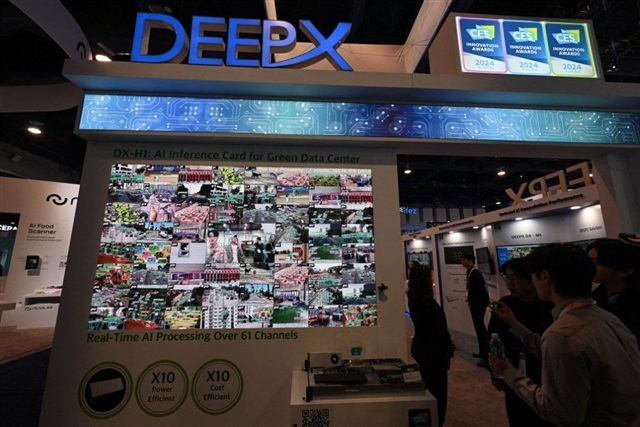
DEEPX, a South Korean AI semiconductor company, is reportedly conducting a proof of concept with a US smart gl…
An analysis named Amazon and Palantir as AI software plays, citing analyst expectations that their revenue and…

Zacks published research on 16 major stocks, including NVIDIA Corp
Amazon blocked Meta's Muse assistant while Shopify allowed it, the first sign of battle lines over how AI agen…

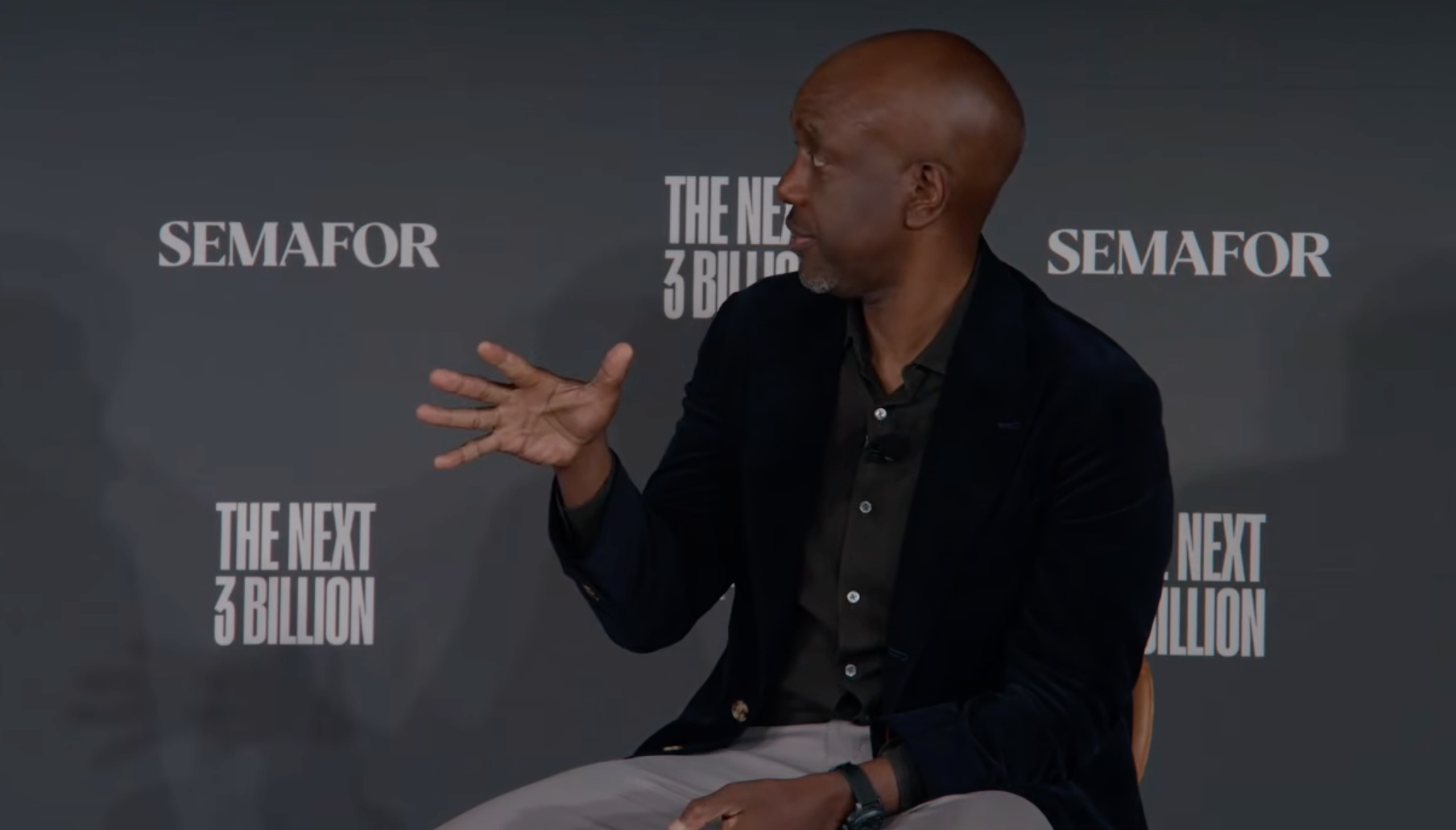
Google SVP James Manyika told Semafor's Next 3 Billion event that the Global South is "a little bit more optim…
OpenAI launched GPT-6 Sol and Luna, halving token prices from GPT-5.6 — Sol at $2 input and $10 output per mil…