What happened
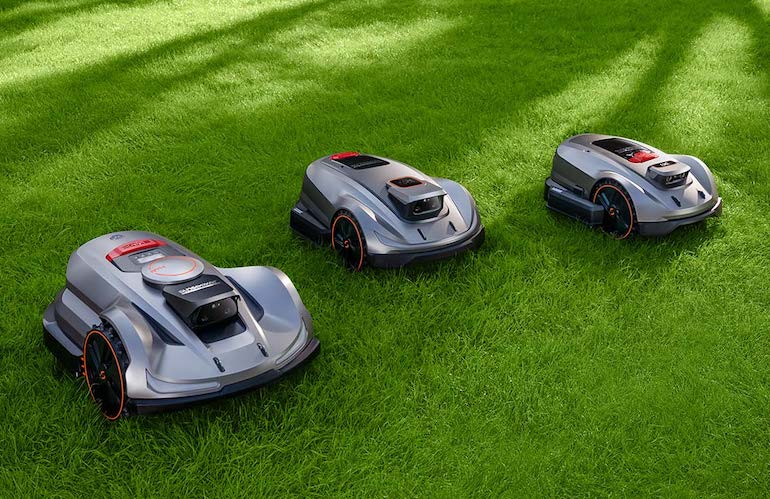
AI, satellite navigation, and autonomous systems are transforming robotic lawn mowers from a niche product into a mainstream platform. The global lawn mower market generated $35.2 million in 2025 and is projected to reach $63.2 million by 2033. Market analysis suggests the U.S. robotic lawn mower market could approach 50% household penetration over the next eight years as costs fall and AI capabilities improve.
Why it matters
Modern robotic mowers now use realtime kinematics (RTK) technology for centimeter-level positioning accuracy and 4G connectivity for cloud communication, enabling real-time obstacle avoidance and route optimization with minimal human intervention. This removes the installation complexity and maintenance burden that limited earlier models, making the technology viable for larger, more complex lawns typical across North America.
What to watch
The main barrier to adoption is no longer technological but cultural—consumer awareness and perception. The commercial landscaping industry, which faces labor shortages and grows at an average annual rate of 6.5% between 2020 and 2025, represents a significant expansion opportunity; lightweight commercial models are already entering the market, with more robust systems expected in coming years.
Summaries like this, in your inbox every morning.
The article traces a fundamental shift in robotic lawn mower viability driven by three converging technologies: AI planning, satellite navigation (specifically realtime kinematics for centimeter-level accuracy), and autonomous systems. These enable robots to operate without wired boundaries, make real-time decisions about route optimization and obstacle avoidance, and communicate continuously with cloud systems via 4G. This technological maturity has moved the bottleneck from engineering to consumer perception—the product now exists, but awareness lags.
The market data supports substantial growth: the global market is projected to nearly double from $35.2 million in 2025 to $63.2 million by 2033. The author, CEO of Sunseeker Robotics, projects U.S. household penetration could reach 50% within eight years as costs fall and consumer confidence builds. This trajectory parallels the mainstream adoption path of earlier smart home categories like robot vacuum cleaners and smart thermostats, which also began with early adopters before usability improvements drove mass adoption.
Beyond residential use, the commercial landscaping sector offers a parallel opportunity. The industry grows at 6.5% annually and employs over 1 million workers facing persistent labor shortages and difficult working conditions, especially during extreme heat. Lightweight commercial robotic systems are already entering the market, offering landscaping companies a way to address repetitive tasks while improving worker safety and operational efficiency.
Pick your industry and the AI tools you use, and get news related to your work every day.
Free · 30 seconds with Google · unsubscribe anytimeWhat is AIToday? →
Ask AI anything about this article. The AI reads this article, earlier AIToday articles, and Wikipedia, and cites its sources. Q&As are published on this page for other readers too.
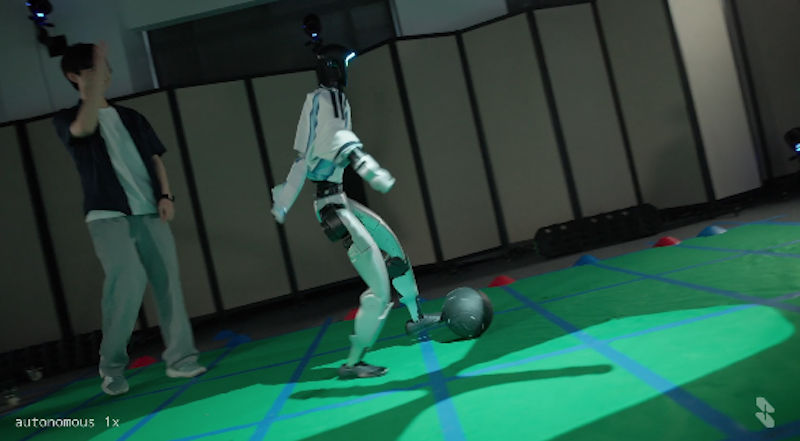
Skild AI used Nvidia Isaac Sim to give its S1 model one objective — score a goal — and let it compete against…
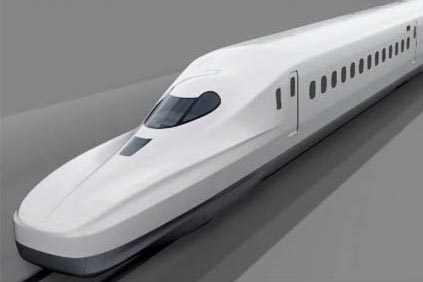
JR Central announced the S0系 on October 16, its first full model change since the N700S, with commercial servi…
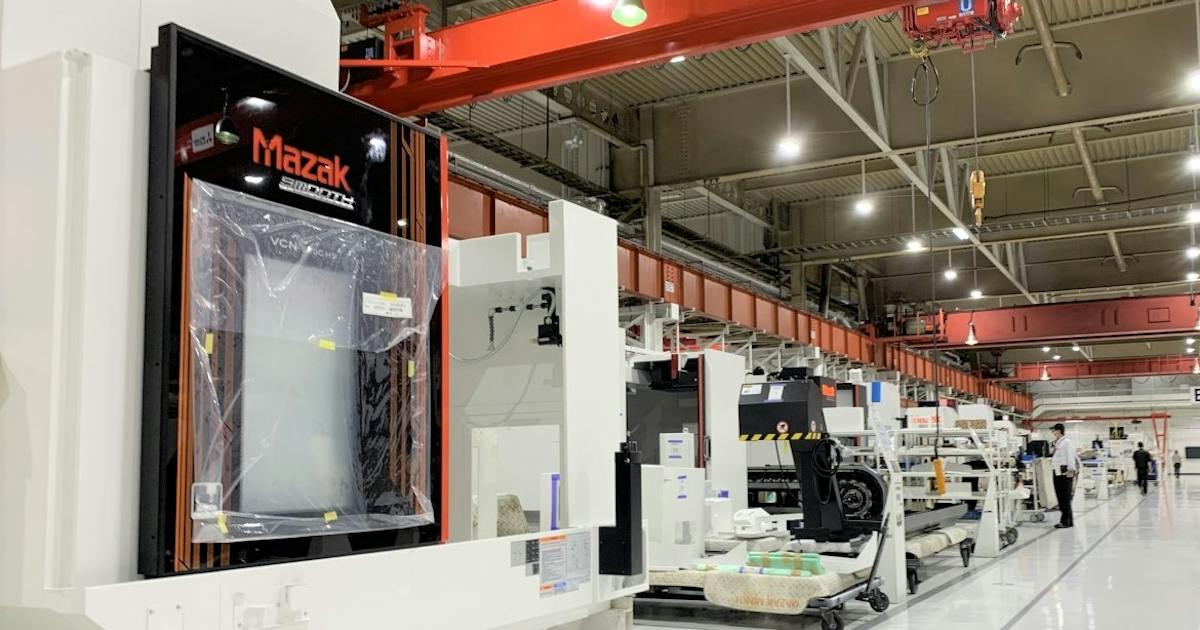
Yamazaki Mazak and ABEJA said on the 16th they will start joint development of physical AI, using ABEJA's ABEJ…
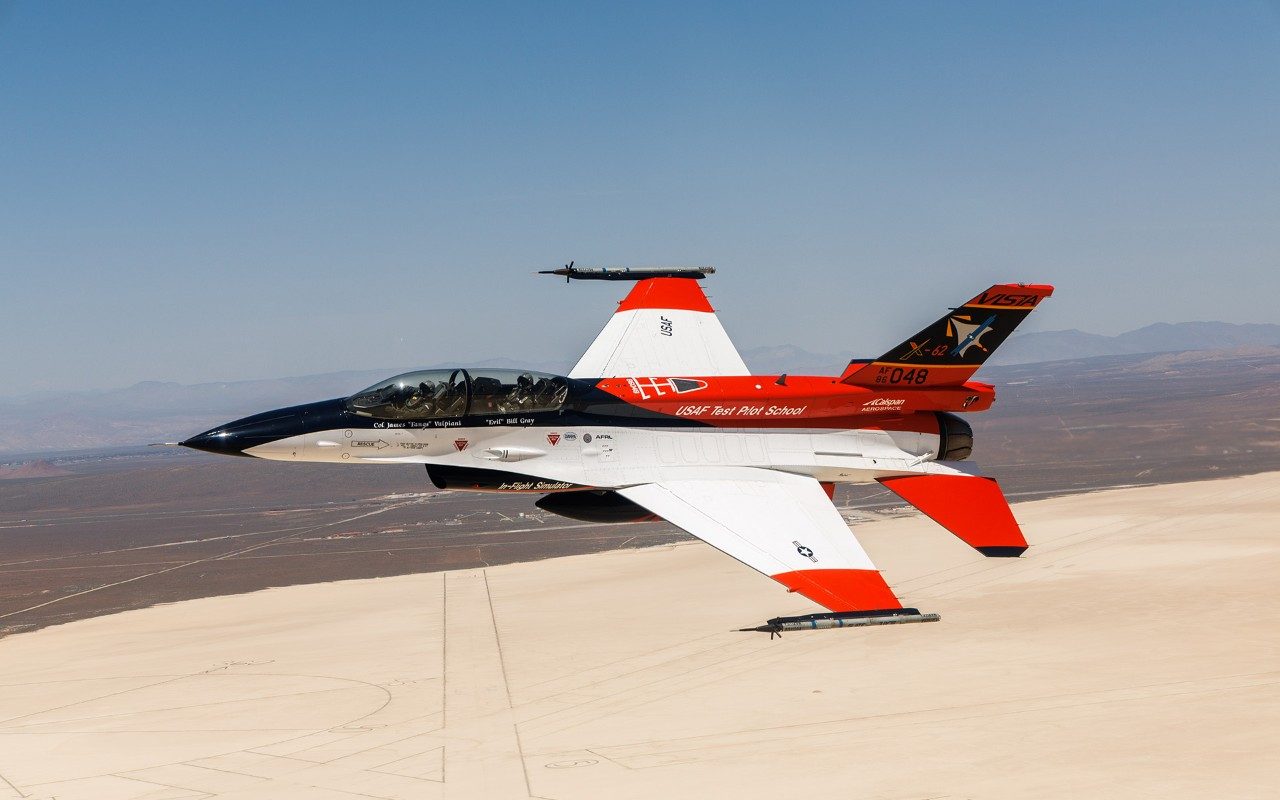
The Air Force upgraded the X-62 VISTA with advanced radar, expanded sensors and computing, and modern network…
Toyota Motor's Japan Mobility Show Bizweek 2026 booth centers on its AI basketball robot CUE7, has no other ex…
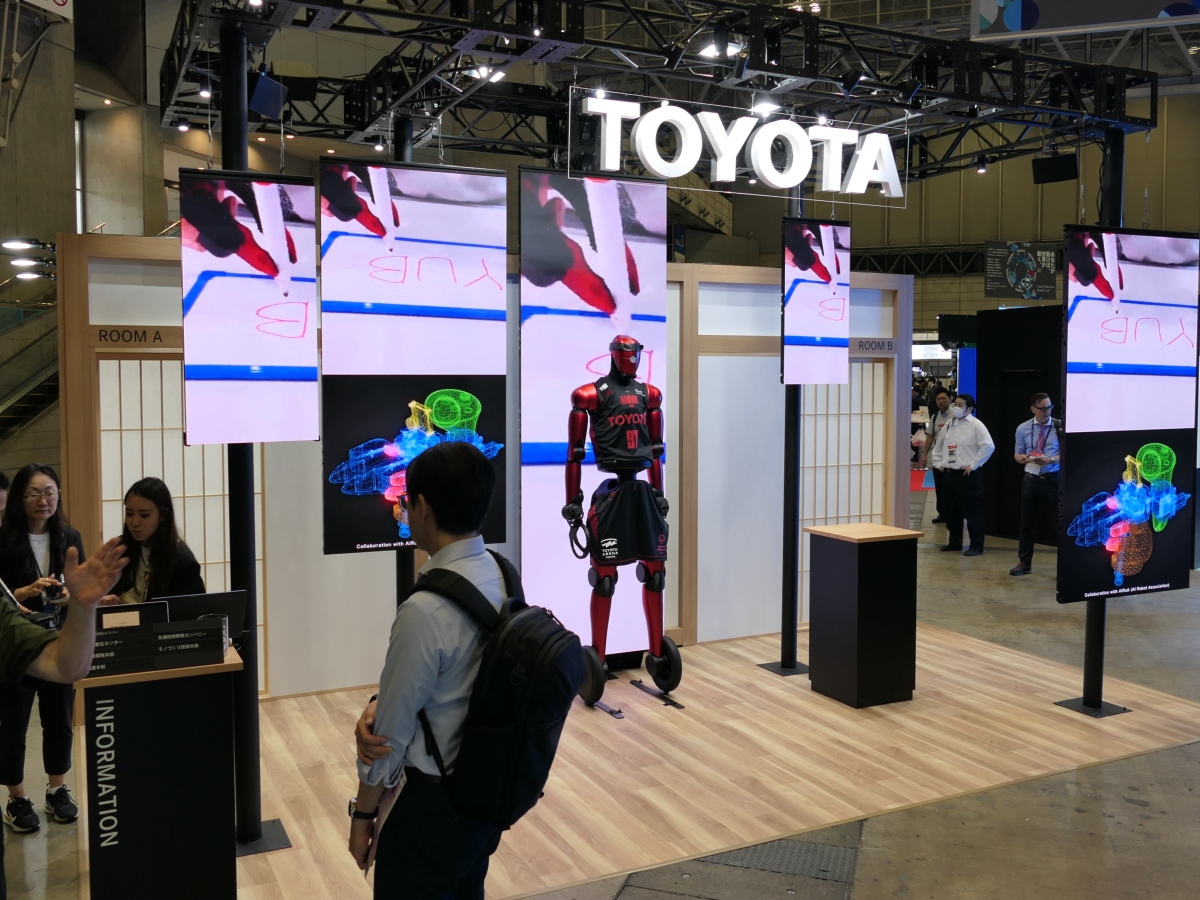
Japan Mobility Show Bizweek 2026 showcased Physical AI applications, including Toyota's basketball-playing rob…