What happened
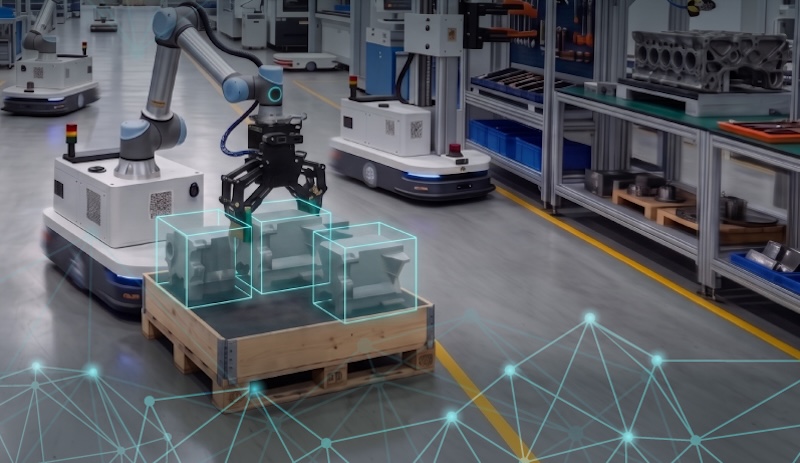
Edge AI specialist Aetina announced it will support Nvidia's newly introduced Jetson T3000 and T2000 modules in its upcoming DeviceEdge AIE-KT fan-based and AIE-PT fanless systems, targeting robotics and industrial edge AI applications.
Why it matters
The T3000 delivers up to 865 FP4 TFLOPS at 70 W power, while the T2000 offers up to 400 FP4 TFLOPS, giving developers scalable options for robotics projects from development through production without sacrificing power efficiency—a key constraint in robotics and edge deployment.
What to watch
Nvidia expects both modules to become available in the first quarter of 2027; Aetina plans to announce additional details on system availability, specifications and developer support closer to launch.
Summaries like this, in your inbox every morning.
Aetina's announcement marks the company's continued expansion as an Nvidia Elite Partner into lower-power edge AI modules. The company's existing Jetson AGX Thor systems already deliver up to 2,070 FP4 TFLOPS within a 130 W power envelope and can run generative AI models like Nvidia Isaac GR00T for humanoid robots and physical AI applications. The new T3000 and T2000 modules represent a step down in absolute performance but offer more granular power-efficiency options: the T3000 at 865 TFLOPS and 70 W sits between the Thor platform and lighter workloads, while the T2000 at 400 TFLOPS addresses space-constrained and silent-operation use cases that the higher-power systems cannot serve.
By introducing both fan-based (AIE-KT) and fanless (AIE-PT) hardware families around these modules, Aetina is addressing the full deployment lifecycle: fan-based systems for sustained performance in less restrictive environments, and fanless platforms for rugged, enclosed, or silent-operation scenarios common in production robotics. This modular approach allows customers to select the thermal design and performance tier that best matches their robotics project phase and operating environment, from prototyping through scaled production deployment.
Pick your industry and the AI tools you use, and get news related to your work every day.
Free · 30 seconds with Google · unsubscribe anytimeWhat is AIToday? →
Ask AI anything about this article. The AI reads this article, earlier AIToday articles, and Wikipedia, and cites its sources. Q&As are published on this page for other readers too.
In Q2, billionaires or their funds sold six 'Magnificent Seven' AI stocks
Nvidia was rising early Friday, even as the wider chip sector kept falling, Barron's reported
ElevenLabs completed a $300 million employee tender at a $22 billion valuation, and co-founder Mati Staniszews…

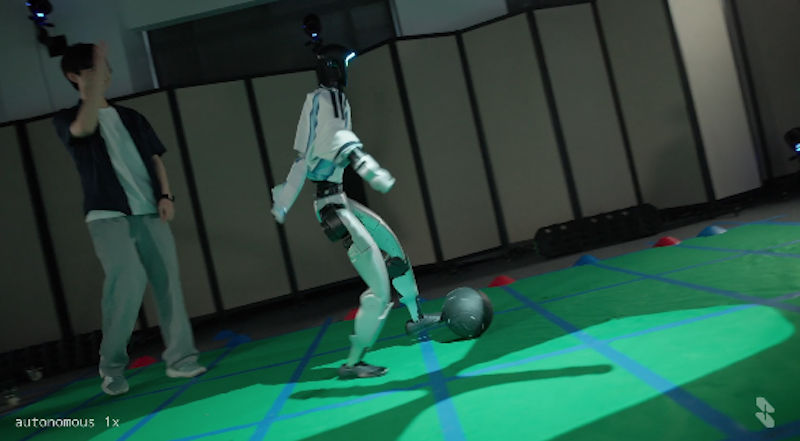
Skild AI used Nvidia Isaac Sim to give its S1 model one objective — score a goal — and let it compete against…
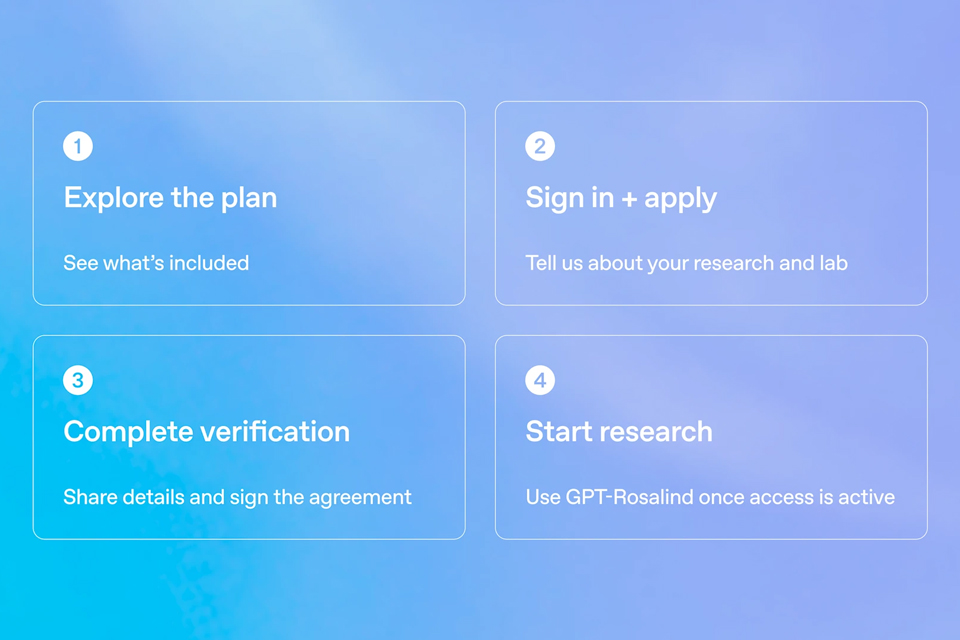
On October 15, OpenAI announced the Rosalind Academic Plan, giving approved US university labs free access to…
Neostellar Capital principal Evan Schlossman said CoreWeave's $103.7 billion in remaining performance obligati…