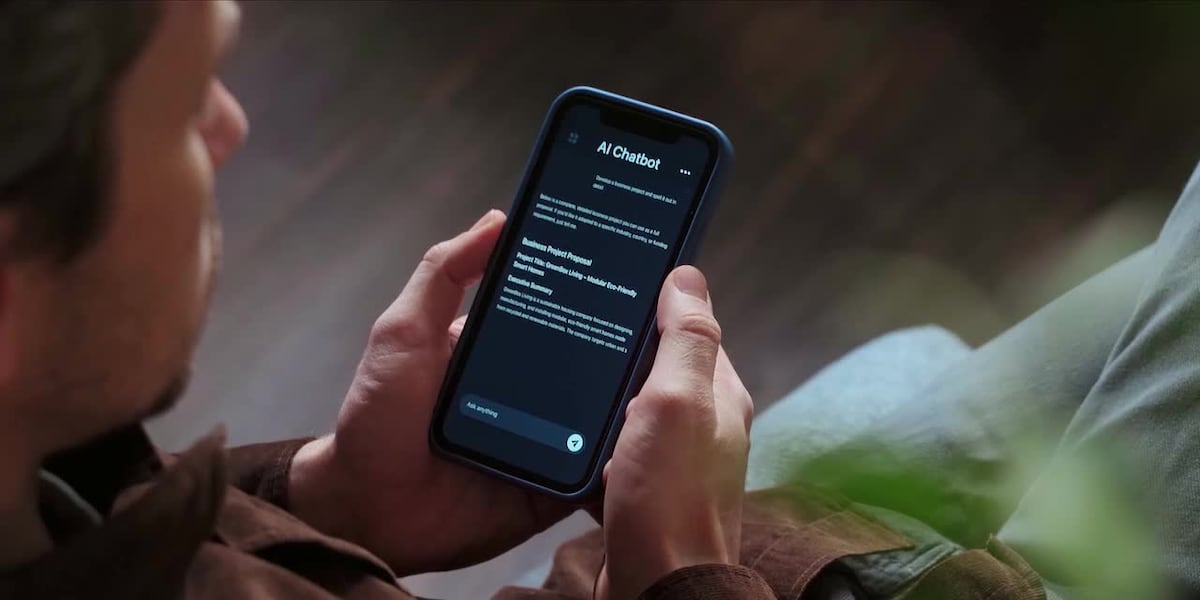
Verizon's latest data breach report found the "human element" was involved in about 60% of data breaches, and phone phishing clicks rose 40% versus computers, Jeff Kew said.
Summaries like this, in your inbox every morning.
Kew's warning comes as smartphone and AI use grows, making phishing and social engineering attempts more convincing. The report's finding that phone users clicked malicious links 40% more than computer users points to a shift in where these attacks succeed.
He said the growing use of AI at work can create risks when employees enter personal or proprietary information into AI tools, and recommended that businesses assess how employees access information. He also noted the time to fix software vulnerabilities has increased.
Verizon offers threat-assessment resources to its business customers, and Kew pointed to AI Skills for America, a free educational program open to the public.
Pick your industry and the AI tools you use, and get news related to your work every day.
Free · 30 seconds with Google · unsubscribe anytimeWhat is AIToday? →
Ask AI anything about this article. The AI reads this article, earlier AIToday articles, and Wikipedia, and cites its sources. Q&As are published on this page for other readers too.
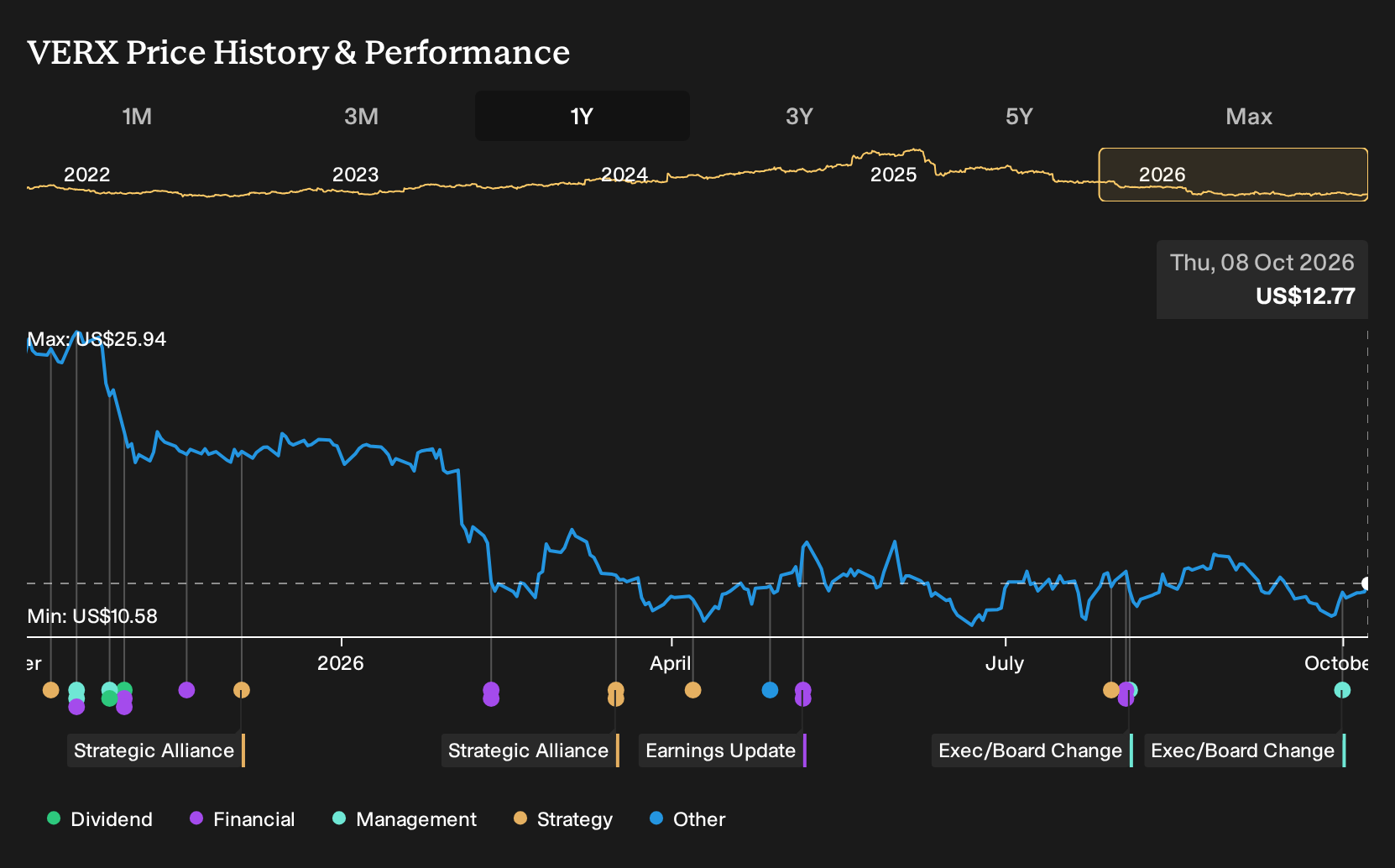
Vertex, Inc. named Debanjan Saha, DataRobot CEO and former Google Cloud and AWS executive, to its board effect…
Uber says its Legal Redlining Agent, built from early 2024 through 2025 and piloted with Uber Legal in 2025, d…
Albert Bourla told The Wall Street Journal's CEO Brief that Pfizer moved AI decisions from a central expert te…

Western Digital's fiscal 2026 revenue rose 35.7% to $12.92B, as management says roughly 80% of hyperscale data…

Yorkville analyst Dan Ives reiterated an Outperform rating and $500 price target on Tesla, saying FSD, robotax…
Apple researchers, with the University of Pennsylvania and UIUC, introduced Normalizing Trajectory Models, whi…