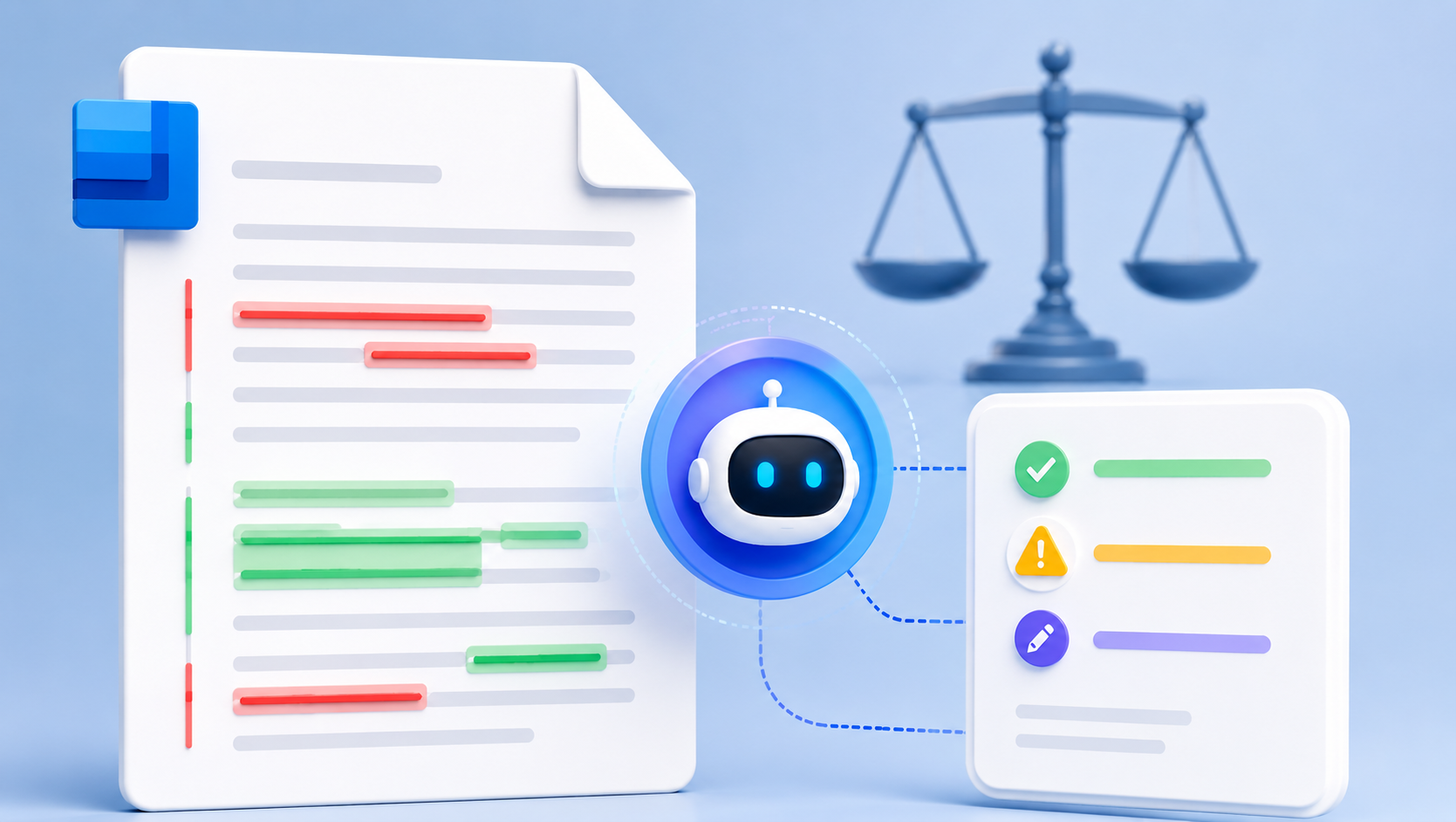
What happened
Uber says its Legal Redlining Agent, built from early 2024 through 2025 and piloted with Uber Legal in 2025, delivered an over 20% reduction in average contract review time and 91% accuracy in AI-generated decisions.
Why it matters
That combination of measured speed gains and decision accuracy is the evidence behind Uber's claim that a redlining agent can be pitched as a trust-and-compliance aid for lawyers. Uber reports it ran four iterations, covering retrieval, feedback, tone, and agentic modifications.
WHO IT HITSIn-house legal teams at large companies with high-volume contract work are the clearest audience: Uber's numbers suggest the agent absorbs repeatable redline review and frees lawyers' time for judgment calls. Vendors building contract-review or drafting tools may face a tougher sell against a company's own feedback-trained system. Any such reading is an inference from Uber's reported results.
Summaries like this, in your inbox every morning.
Uber dates the first generation of its Legal Redlining Agent to work that began in early 2024 and continued through 2025, before today's agent harnesses were widely available. The company frames the problem as a steady stream of contract negotiations containing substantial repeatable redline work — thousands of contracts a year — with delays rippling across sales, onboarding, and launches. Its answer was to automate the repeatable parts without replacing a lawyer's judgment, and to make the agent learn from the lawyers themselves.
The system went through four iterations. The first was RAG (retrieval-augmented generation, where the model looks up relevant documents before answering), which stumbled on semantic similarity, tone, and generalization. The second added a self-learning feedback loop that captured each lawyer's decision, expected action, comments, and final modified text. The third tackled tone with an extra model call, and the breakthrough came when the in-house Legal team, not engineering, owned the specific language defining voice and style. The fourth moved beyond accept-or-reject calls into drafting counter-proposals, supported by a rules database tied to the original contract templates.
A few design choices recur. A thin Word add-in handles document interaction while a back end orchestrates the AI, and a hybrid engine splits non-negotiable policies — handled by a deterministic rules engine that can override the model — from negotiable nuances handled by the probabilistic feedback loop. OpenSearch holds two indices: rules vectorized by target sentence, and feedback vectorized by the counterparty's intent. Over time Uber weights older interactions less, using a configurable half-life currently set to 365 days, so the system tracks the team's current positions rather than stale precedents. Looking ahead, Uber says it is exploring agentic harnesses such as Claude Code and OpenCode and, separately, legal ontologies and knowledge graphs.
Pick your industry and the AI tools you use, and get news related to your work every day.
Free · 30 seconds with Google · unsubscribe anytimeWhat is AIToday? →
Ask AI anything about this article. The AI reads this article, earlier AIToday articles, and Wikipedia, and cites its sources. Q&As are published on this page for other readers too.
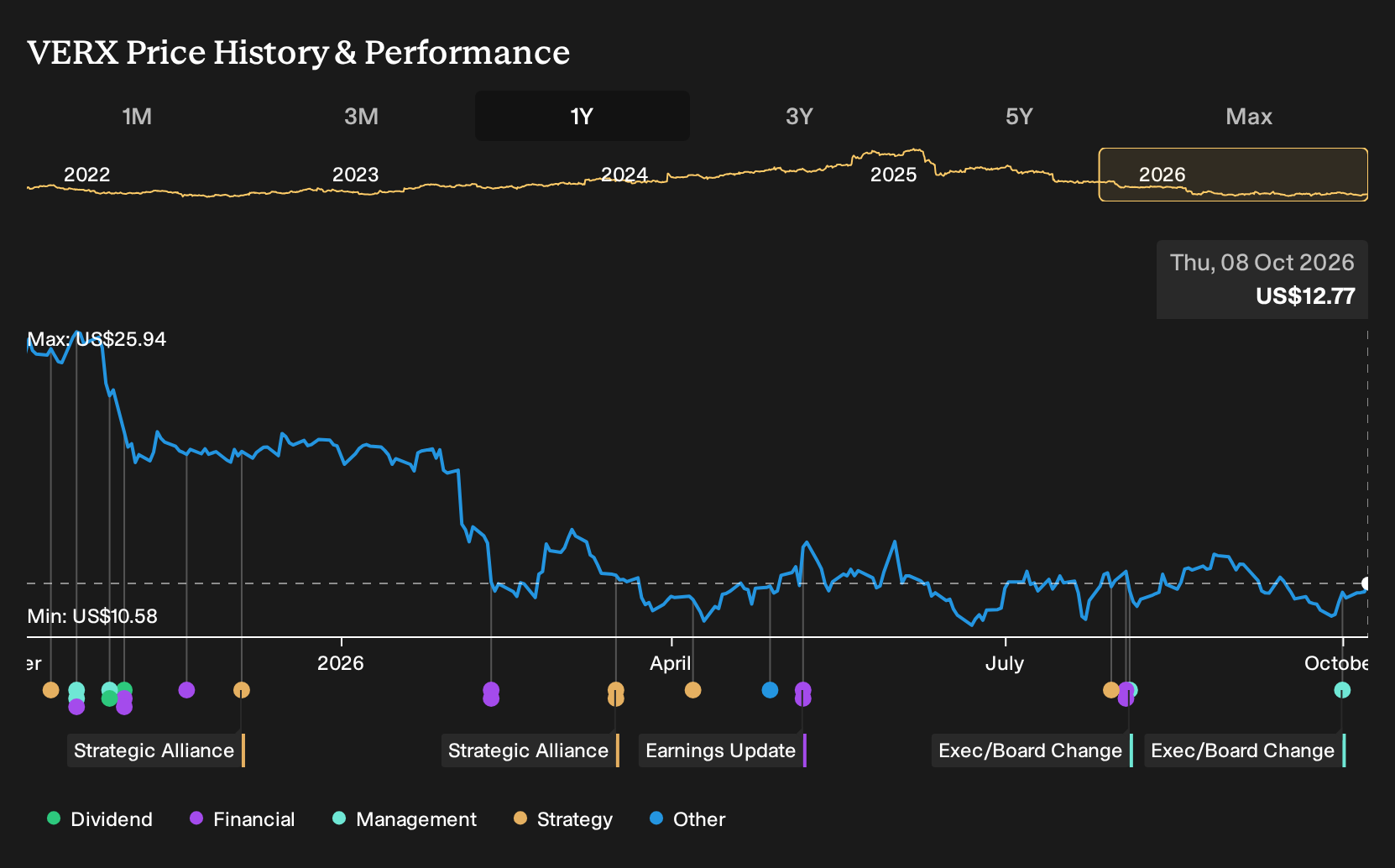
Vertex, Inc. named Debanjan Saha, DataRobot CEO and former Google Cloud and AWS executive, to its board effect…
Albert Bourla told The Wall Street Journal's CEO Brief that Pfizer moved AI decisions from a central expert te…

Verizon's latest data breach report found the "human element" was involved in about 60% of data breaches, and…

Western Digital's fiscal 2026 revenue rose 35.7% to $12.92B, as management says roughly 80% of hyperscale data…

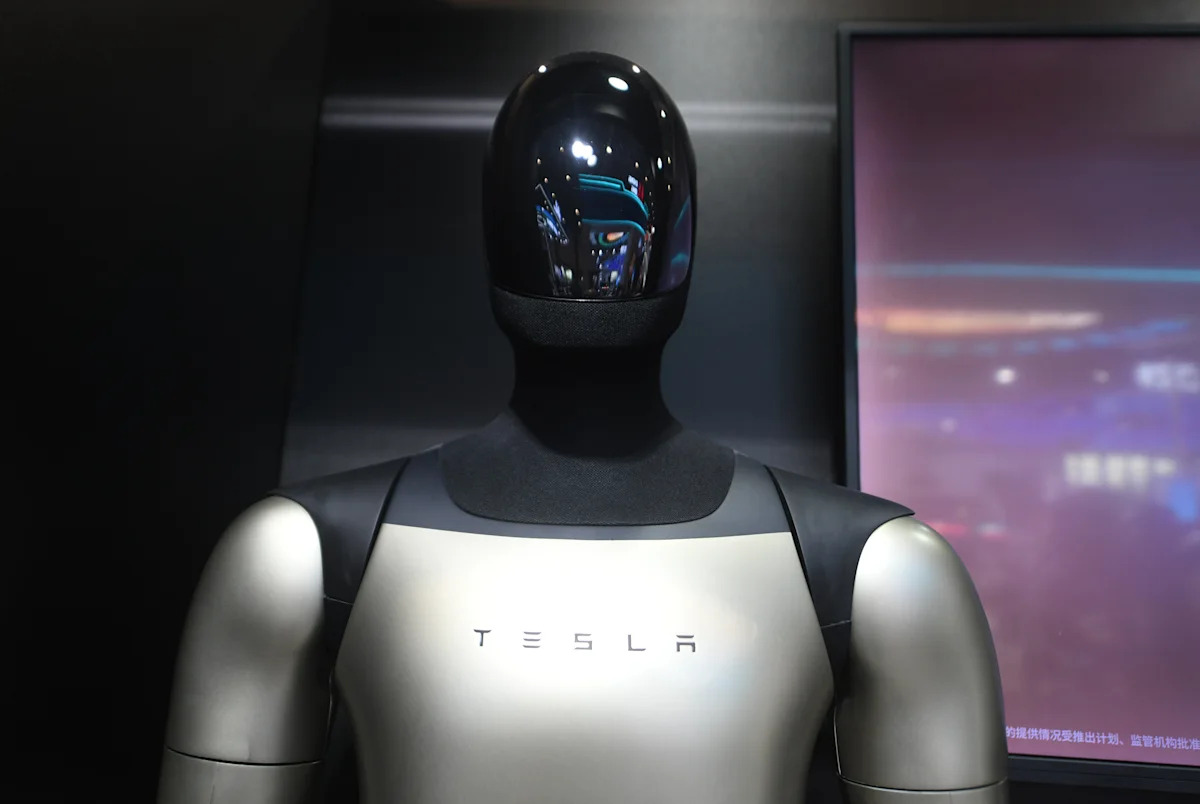
Yorkville analyst Dan Ives reiterated an Outperform rating and $500 price target on Tesla, saying FSD, robotax…
Apple researchers, with the University of Pennsylvania and UIUC, introduced Normalizing Trajectory Models, whi…