What happened
A Zenn essay lays out a morning production routine that starts from yesterday's one-line memo (e.g. "try two versions of the chorus's final chord") and ends with a short end memo.
Why it matters
By fixing the order — read the memo, try one thing, listen and record — the producer avoids reopening the DAW without knowing what to do first, while AI is used only to surface candidates such as chords via コード解析 オンライン.
Summaries like this, every morning.
The routine the essay describes is built around a single bottleneck: the moment a producer opens the software without knowing which task to pick up. Its fix is to move that decision to the previous evening, when an end memo is written in a form the next morning can act on — not "improve the chorus" but "try two versions of the chorus's final chord." The morning then starts by adopting that one line as the day's task.
The essay also draws a line between what AI handles and what the producer handles. Chord analysis tools are placed in the candidate step: identify the bar, check options, play them against the recording, and save competing versions separately so the point of doubt stays visible. Similarly, loudness processing is separated from mix checking, with the pre-processing file kept and the processed file saved under a different name so the two can be compared at matched playback volume.
What ties it together is the closing memo. Whether or not an AI suggestion was adopted, the essay asks the producer to record why — for example, that a candidate clashed with the bass — so a similar decision later has material to draw on. The routine is presented as a sequence to keep, not a checklist of stages to complete each morning.
Pick your industry and the AI tools you use, and get news related to your work every day.
Free · 30 seconds with Google · unsubscribe anytimeWhat is AIToday? →
Ask AI anything about this article. The AI reads this article, earlier AIToday articles, and Wikipedia, and cites its sources. Q&As are published on this page for other readers too.
Tidal said it will reject and remove 100% AI-generated tracks starting December 9, deleting more than 29 milli…
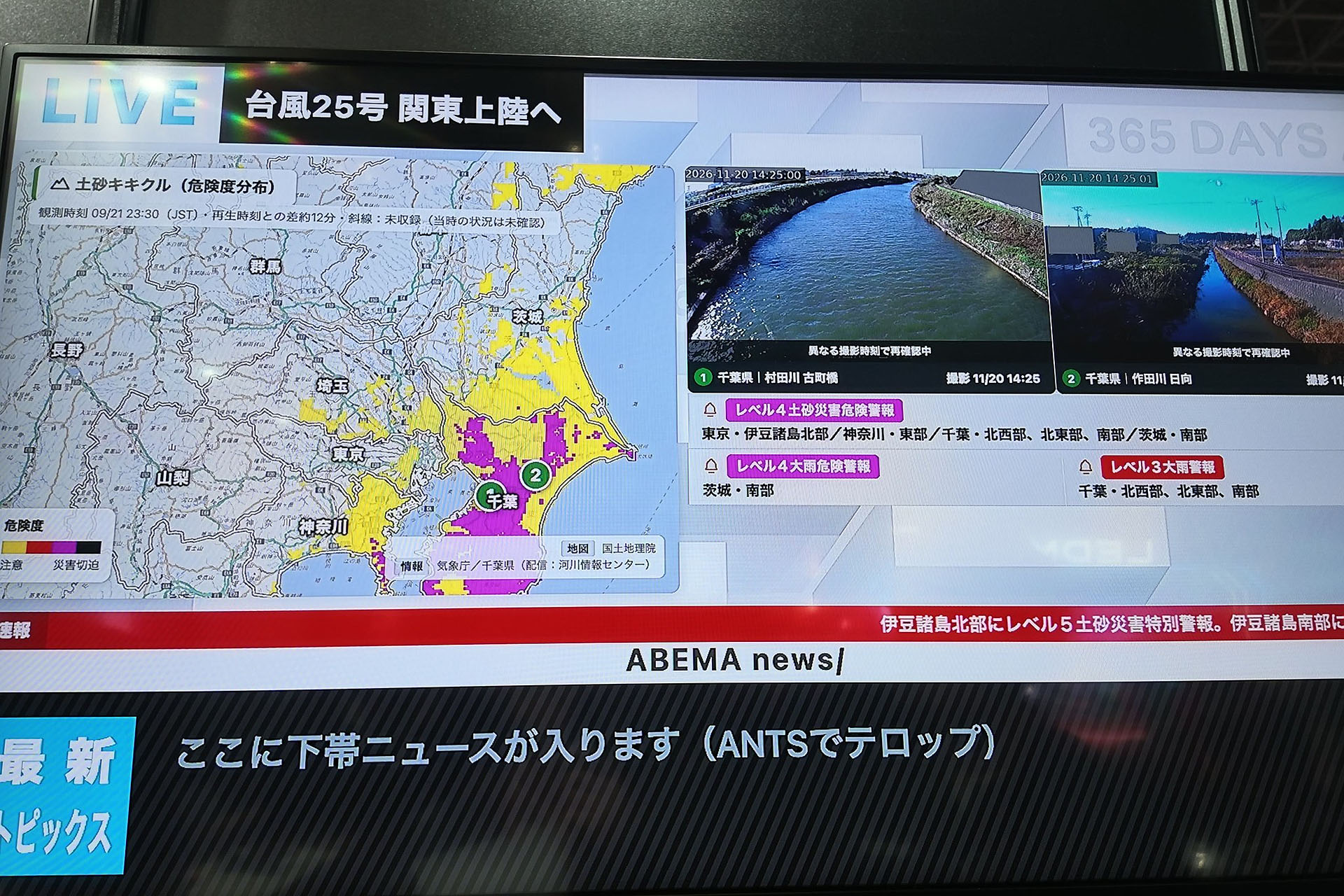
At Inter BEE 2026 (Nov 18–20, Makuhari Messe), NHK showed audio-to-sign-language CG and local-PC telop and blu…
tiny-voca v0.2.0 is a free, open-source English TTS model with 4.5M parameters and an 18MB footprint, and the…

Katrin Fröhlich, Anne Helm and Luise Helm posted a video saying they will no longer provide their voices becau…

Taco Bell plans to expand drive-thru AI from about 900 to 1,500 locations by year-end, reporting 6% higher sat…
Nothing CEO Carl Pei demonstrated the Ear Note to Bloomberg — earbuds plus a microphone-equipped case that rec…