What happened
A Zenn writer tested opencodex 2.100.2, a local gateway that translates between Anthropic Messages, OpenAI Chat Completions, and OpenAI Responses APIs, against Qwen2.5-32B on Ollama. All three formats returned 200, streaming arrived as proper SSE events, and tool calls converted both ways.
Why it matters
The result suggests a single local gateway can let coding agents built for different API formats talk to the same self-hosted model without rework, and overhead latency was not measurable against the model's own ~6 tok/s generation speed.
Summaries like this, every morning.
The test focused on a practical pain point for developers who use coding agents: each agent tends to expect a specific API format, while local models served through Ollama speak OpenAI-compatible endpoints. opencodex addresses this by translating requests on the fly, and the writer confirmed that translation works not just for plain text but for streaming responses and the tool-call round trips that coding agents rely on. The absence of measurable proxy latency matters because the model itself generated at only about 6 tok/s on the test hardware, leaving little room for conversion overhead to hide.
The writer also highlighted operational caveats. The official README warns that some providers, notably Anthropic, may suspend or restrict accounts that route traffic through third-party proxies, so the test used curl instead of subscription logins. The tool's startup also launches a proxy that intercepts traffic to api.anthropic.com and includes code that writes to Claude Code settings files, which is why the writer isolated the home directory during testing. A separate bug surfaced in the Anthropic-format response: the model field was replaced with "the requested model" because the validation regex rejects the colon in Ollama model names, though the response content and tool calls were unaffected.
Pick your industry and the AI tools you use, and get news related to your work every day.
Free · 30 seconds with Google · unsubscribe anytimeWhat is AIToday? →
Ask AI anything about this article. The AI reads this article, earlier AIToday articles, and Wikipedia, and cites its sources. Q&As are published on this page for other readers too.
Google DeepMind introduced Gemini Robotics 2.5, a vision-language-action model evaluated across more than 200…

Folkbench announced a method that pairs current-events probes, which resist static caching, with model-fingerp…

In a trial of replacing 34 files across subagents, agents given the delegating-work Skill met 18 of 24 criteri…

Microsoft hosts Ignite from Nov

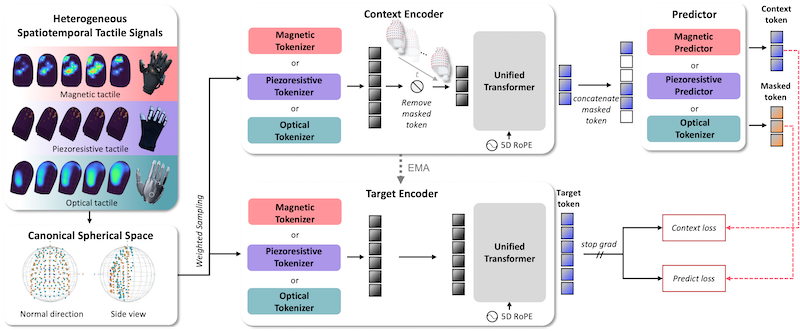
Robbyant released LingBot-Touch, pre-trained on nearly 5,000 hours of real-world tactile data across magnetic…
PostgreSQL 19 RC2 was published on November 12, after beta 4 in late September reverted features including SQL…