What happened
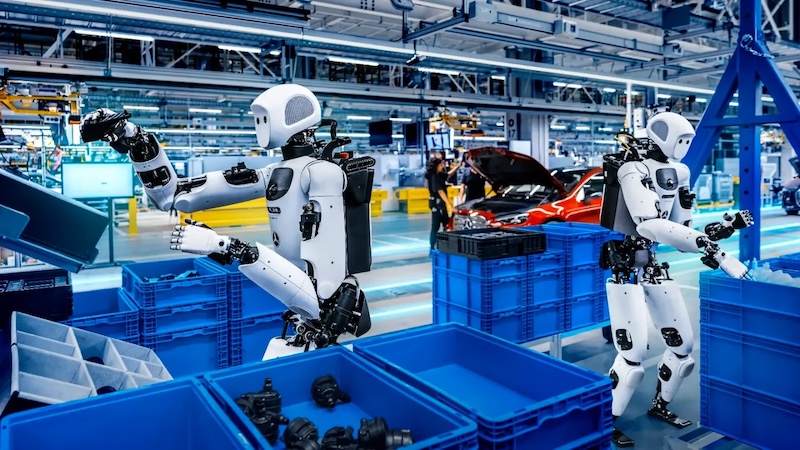
Google DeepMind introduced Gemini Robotics 2.5, a vision-language-action model evaluated across more than 200 tasks including handling delicate objects, using tools, and precision assembly. It achieved success rates 30 to 100 percent higher than previous versions and completed operations 20 to 30 percent faster.
Why it matters
The reported gains in success rate and speed suggest the model could make robots more reliable and efficient at complex physical work, though the figures come from Google DeepMind's own evaluations.
WHO IT HITSRobotics partners of Google DeepMind, including developers of humanoid and industrial robot platforms, may gain access to a model that improves task success and speed, potentially reducing the physical training data needed for new deployments.
Summaries like this, every morning.
Gemini Robotics 2.5 builds on Google DeepMind's line of vision-language-action models, which translate visual input and language instructions into robot actions. The company reports that the new version was evaluated across more than 200 tasks, including handling delicate objects, using tools, manipulating flexible materials, and performing precision assembly operations. Across these tasks, success rates were 30 to 100 percent higher than previous versions, and operations were completed 20 to 30 percent faster, according to Google DeepMind.
Beyond raw task performance, Google DeepMind introduced reasoning-based safety controls that increased safe task completion by 33 percent around obstacles and 43 percent when people were nearby. It also released ASIMOV-Jailbreak, an open-source benchmark for evaluating whether robotics AI systems resist instructions that could lead to unsafe actions. In those evaluations, the Gemini 4 Argon model achieved 99.5 percent resistance, compared with 82 percent for the previous baseline.
Gemini 4 Argon also supports robotics research by generating simulated training scenarios and digital twins, and by helping researchers investigate task failures. Google DeepMind says these capabilities accelerated development of Gemini Robotics 2.5 by reducing the amount of physical training data required. The model is now being made available to the company's robotics partners as it continues developing AI systems intended to operate across different robot platforms and real-world applications.
Pick your industry and the AI tools you use, and get news related to your work every day.
Free · 30 seconds with Google · unsubscribe anytimeWhat is AIToday? →
Ask AI anything about this article. The AI reads this article, earlier AIToday articles, and Wikipedia, and cites its sources. Q&As are published on this page for other readers too.
Folkbench announced a method that pairs current-events probes, which resist static caching, with model-fingerp…

A Zenn writer tested opencodex 2.100.2, a local gateway that translates between Anthropic Messages, OpenAI Cha…
In a trial of replacing 34 files across subagents, agents given the delegating-work Skill met 18 of 24 criteri…

Microsoft hosts Ignite from Nov

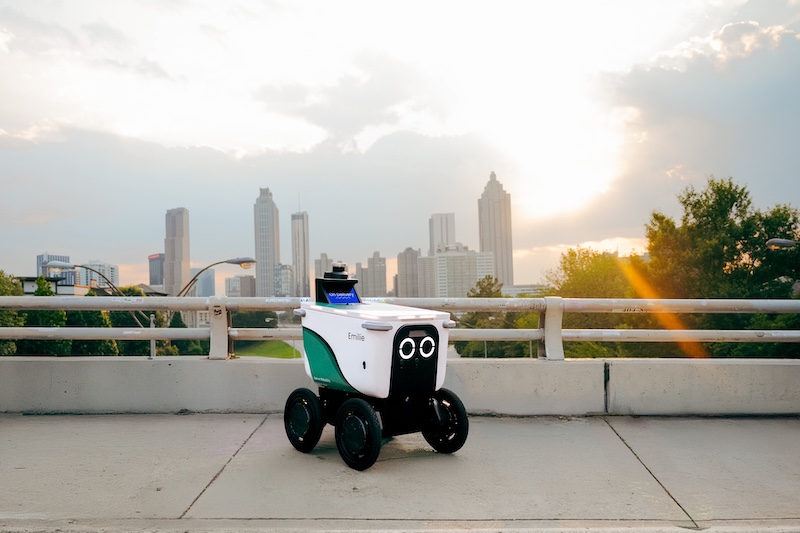
Serve Robotics launched the AV Delivery Developer Portal, including a public API and sandbox, letting anyone d…
Physicl raised $10 million in seed funding led by Inovia Capital, with US Venture Partners participating, and…