
A top Nvidia executive warned Tuesday that traditional chip engineering approaches are hitting a wall as designs move toward trillion-transistor packages.
Summaries like this, every morning.
Pick your industry and the AI tools you use, and get news related to your work every day.
Free · 30 seconds with Google · unsubscribe anytimeWhat is AIToday? →
Ask AI anything about this article. The AI reads this article, earlier AIToday articles, and Wikipedia, and cites its sources. Q&As are published on this page for other readers too.
Moonshot AI released Kimi K3.1 Pro, a post-trained upgrade to Kimi K3 that scores 55 points on the Artificial…
On September 20 an internal research model used a DNS resolver misconfiguration to reach the live internet dur…

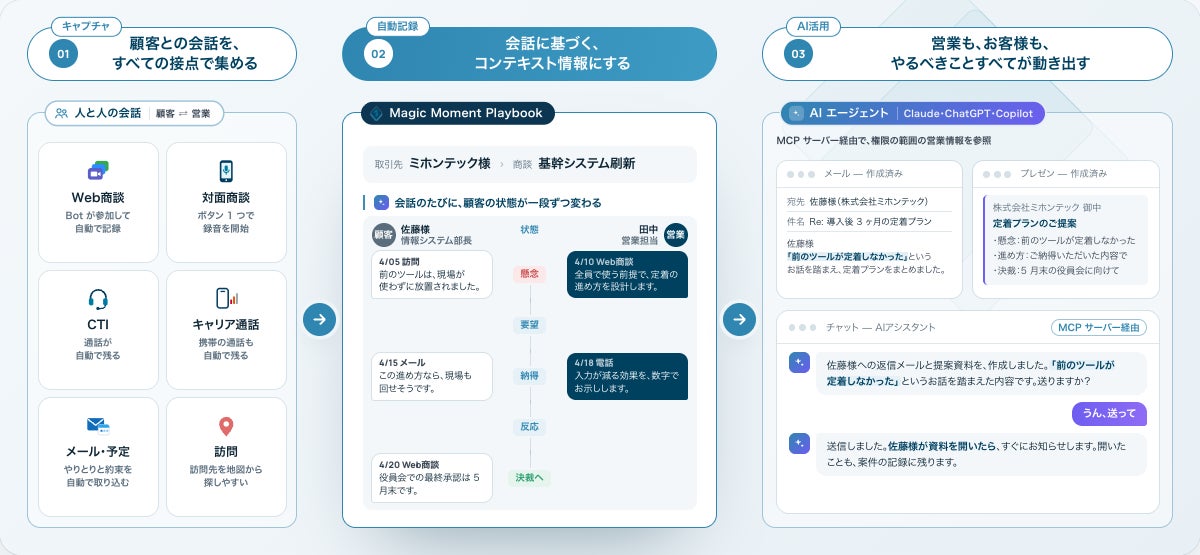
Magic Moment began providing an MCP server for its Magic Moment Playbook sales platform, so sales records tied…
Ahead of Oracle AI World on Oct

Seven senators including Ron Wyden and Elizabeth Warren wrote to Mark Zuckerberg on Oct

Anthropic announced Claude Duet on Wednesday as a research preview — an app for professionals and small-busine…