
What happened
OpenAI's Economic Research, analyzing more than 1.5 million work-related ChatGPT messages from April through July 2026, found cross-occupation tasks rose from 13.1% to 25.9% of occupation-specific AI activity among roughly 6,200 workers.
Why it matters
Workers appear to be incorporating cross-occupation tasks into regular workflows rather than experimenting once; if these activities become regular responsibilities, jobs could broaden even while titles stay the same, OpenAI says.
What to watch
Recurrence varies widely by task type, from 54% for discussing goods or services with customers to about 15% for explaining financial information, against an 18.5% average; the direction of work design, not just AI access, is the test.
WHO IT HITSCorporate HR and workforce-planning teams may need to treat work design, not just AI tool access, as part of their AI adoption strategies, since workers are already recurring to tasks outside their formal roles.
Summaries like this, in your inbox every morning.
OpenAI's latest Work at the Frontier report builds on an earlier finding of 'task crossover' — workers using AI for activities historically associated with another occupation. The new question was whether those cross-occupation uses stick. Analyzing more than 1.5 million work-related ChatGPT messages from April through July 2026, OpenAI found that among roughly 6,200 workers observed consistently, cross-occupation tasks grew from 13.1% of occupation-specific AI activity in April to 25.9% in July, a pattern consistent with workers folding such tasks into ongoing workflows rather than trying them once.
A separate matched follow-up analysis supports that reading: workers returned to a cross-occupation task used the previous month 23.6% of the time, versus 8.4% use of the same task among comparable workers with no observed prior use. Recurrence is uneven across task types, ranging from 54% for discussing goods or services with customers to about 15% for explaining financial information, against an 18.5% average. OpenAI suggests this could reflect where AI fits naturally into recurring workflows, or differences in workplace norms and perceived consequences of error.
The takeaway OpenAI draws is that AI may reshape jobs before titles change, with a worker experimenting outside their traditional role, finding AI useful, and returning to that activity regularly. For organizations, that suggests work design may deserve a place alongside tool access in AI strategy. The patterns described are correlational and open to interpretation, so whether cross-occupation tasks ultimately become formal responsibilities — and how that reshapes the division of labor — remains an open question OpenAI says it will keep studying.
For example, today's edition would include:
AI-summarized, only the topics you pick — one digest a day via Email, Slack, or Discord.
Free · 30 seconds with Google · unsubscribe anytimeWhat is AIToday? →
Ask AI anything about this article. Q&As are published on this page for other readers too.
Anthropic merged chatbot Claude with agentic tool Claude Cowork effective immediately, and launched Claude Doc…
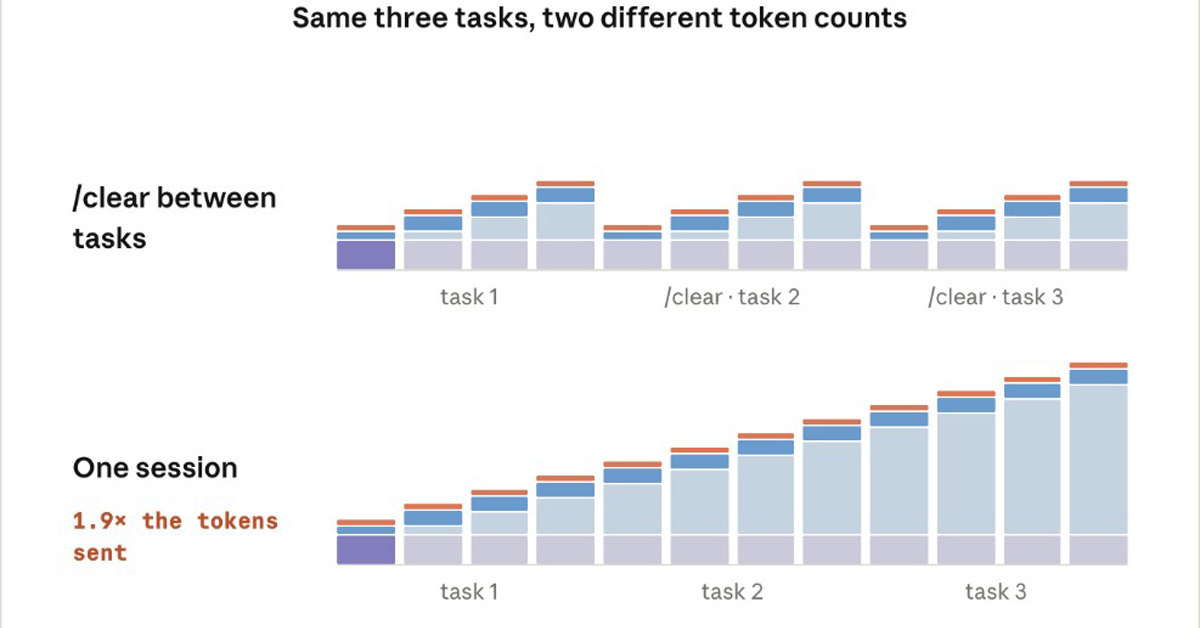
Anthropic posted guidance saying Claude Code's output tokens cost about 5 times its input tokens, and that one…
The NSA, CISA, and FBI issued a joint advisory on September 8, 2026 saying Chinese firms including DeepSeek, M…

Andrew Scull, a historian of psychiatry, appeared on episode 502 of the Lex Fridman Podcast
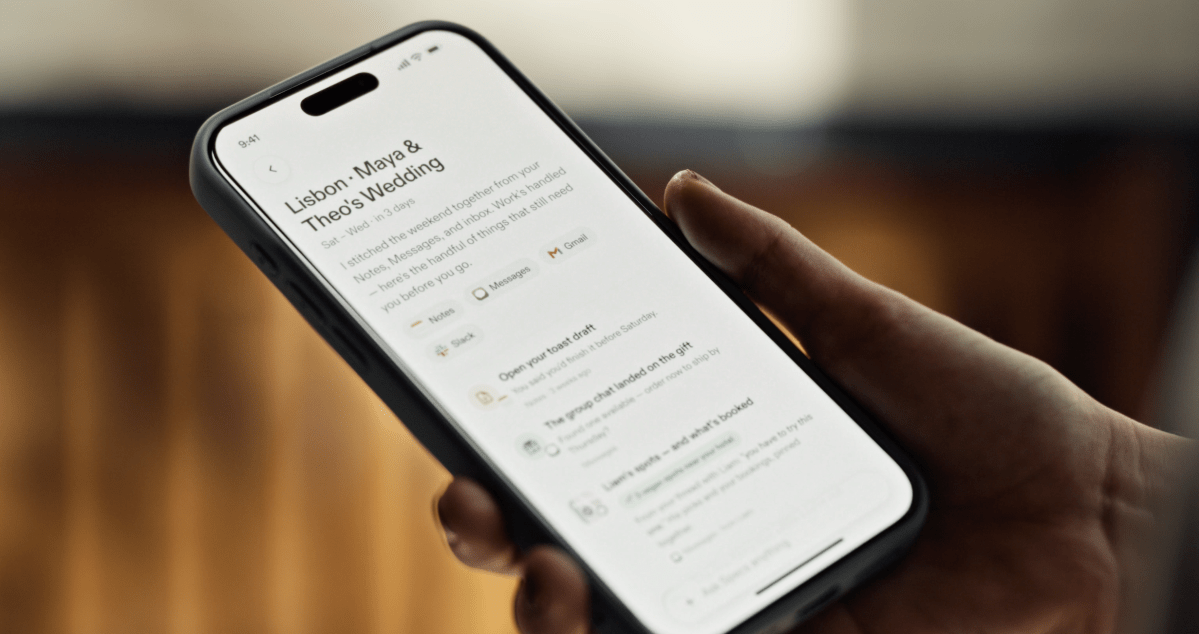
Snap introduced Specs Intelligence, an 'anticipatory AI service' that links accounts like Gmail and Slack
Apple researchers proposed DACA-GRPO, a plug-and-play enhancement for GRPO-style trainers, adding Denoising Pr…