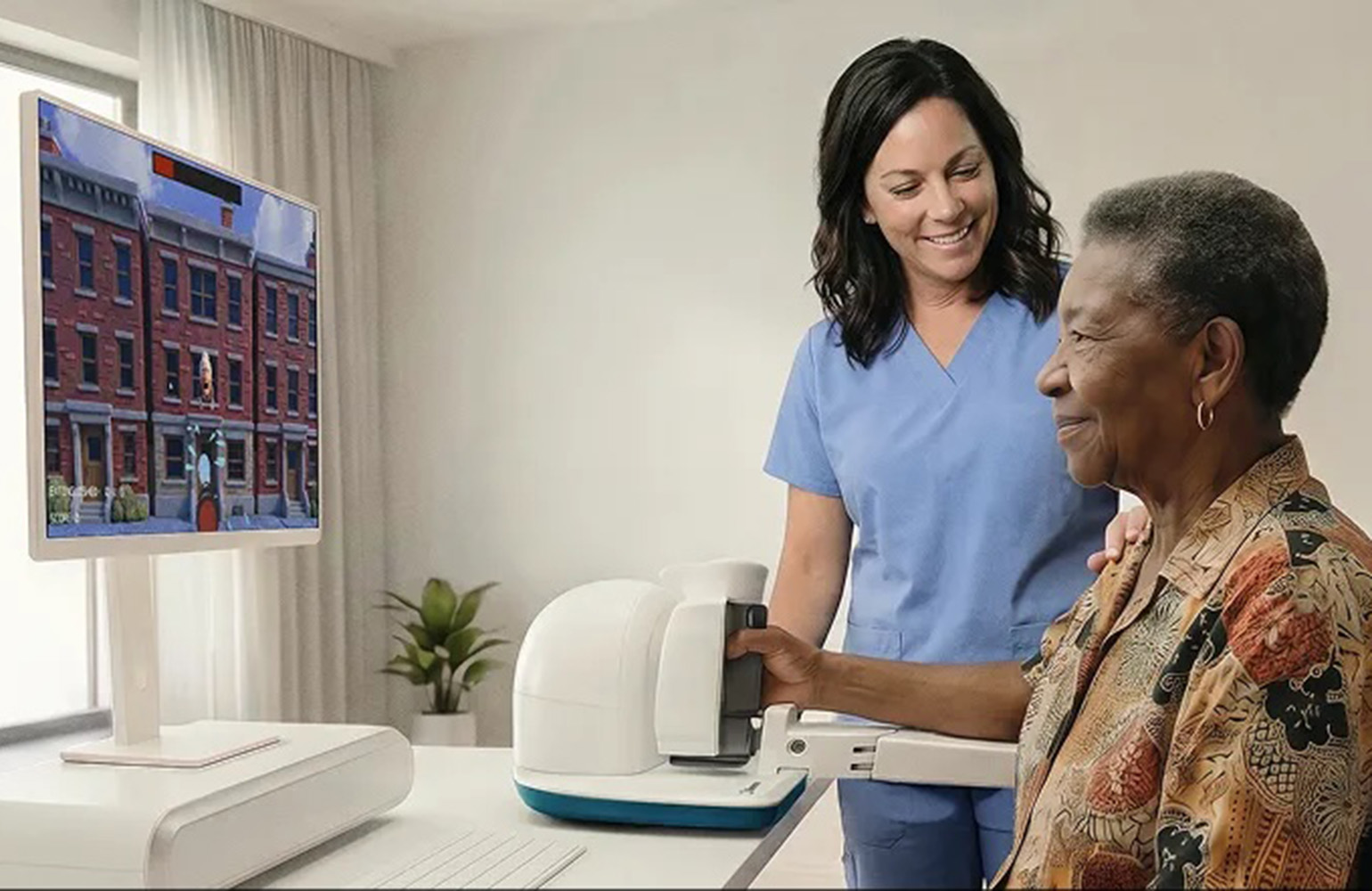
What happened
Robotic rehabilitation systems using artificial intelligence and error-augmentation technology are increasingly being deployed in clinical settings and home environments to help stroke survivors rebuild motor control. These systems guide patients through controlled, repetitive movements while using AI to adapt therapy intensity and resistance in real time based on individual progress.
Why it matters
Stroke survivors in the U.S. face long rehabilitation journeys hampered by inconsistent therapy access and resource constraints in hospitals and clinics. Robotic systems can accelerate neuroplasticity—the brain's ability to rewire itself—by providing high-repetition, precision feedback that traditional therapy alone cannot match. Home-based robotic devices extend therapy beyond clinical settings, addressing transportation barriers and geographic isolation, particularly in rural and underserved areas.
What to watch
Cost remains a barrier for smaller healthcare organizations and uninsured patients, though financing, rental, and subscription models are emerging to improve access. Clinician training, regulatory oversight, and data privacy must be addressed as adoption grows. The field views robotics not as a replacement for human therapists but as a complement requiring collaboration between clinical expertise and technology.
Summaries like this, in your inbox every morning.
Stroke rehabilitation has historically relied on standardized therapy models constrained by resource limitations and inconsistent access. The article emphasizes that someone in the U.S. experiences a stroke every 40 seconds, and survivors often face extremely long recovery journeys marked by physical limitations and disrupted neural pathways. Traditional therapy struggles to maintain the intensity, consistency, and frequency necessary to stimulate neuroplasticity effectively. Robotic systems address this gap by automating the repetitive, task-oriented movement that neuroscience has identified as central to recovery. The error-augmentation approach described in the article represents a shift in philosophy: rather than minimizing mistakes, these systems strategically exaggerate movement deviations to engage the brain's natural adaptive capacity more forcefully. AI integration further personalizes treatment, allowing clinicians to adjust therapy in real time based on subtle performance patterns and predicted recovery trajectories. Home-based deployment removes geographic and transportation barriers, potentially reshaping rehabilitation access for rural and underserved populations. The article acknowledges cost and governance challenges but positions robotics as a complement to—not replacement for—human clinical expertise, framing the future of stroke recovery as a collaboration between technology precision and human judgment.
Pick your industry and the AI tools you use, and get news related to your work every day.
Free · 30 seconds with Google · unsubscribe anytimeWhat is AIToday? →
Ask AI anything about this article. The AI reads this article, earlier AIToday articles, and Wikipedia, and cites its sources. Q&As are published on this page for other readers too.
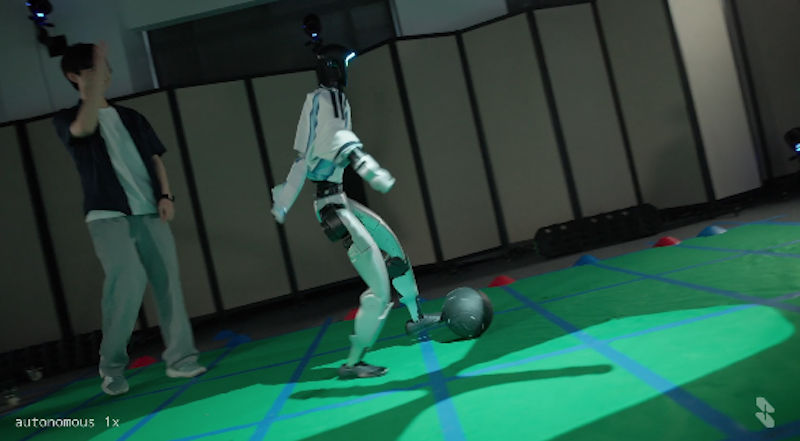
Skild AI used Nvidia Isaac Sim to give its S1 model one objective — score a goal — and let it compete against…
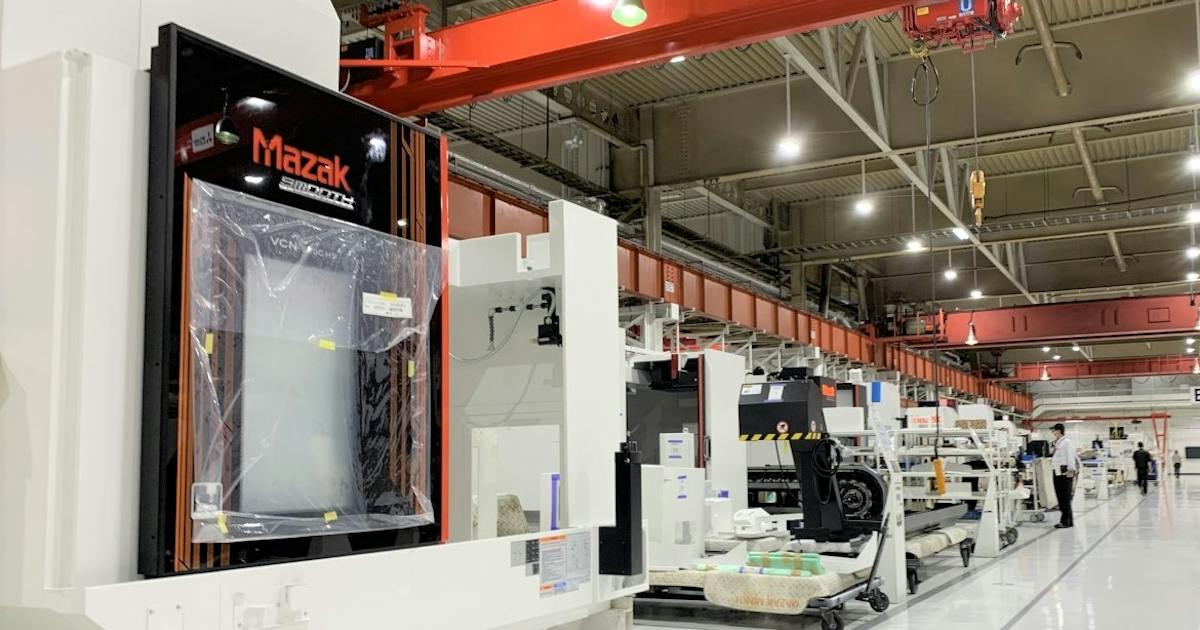
Yamazaki Mazak and ABEJA said on the 16th they will start joint development of physical AI, using ABEJA's ABEJ…
OpenAI introduced the Rosalind Academic Plan, giving eligible academic labs at U.S

Santen Pharmaceutical's R&D division reached a 93% weekly usage rate for generative AI, applying it to study p…

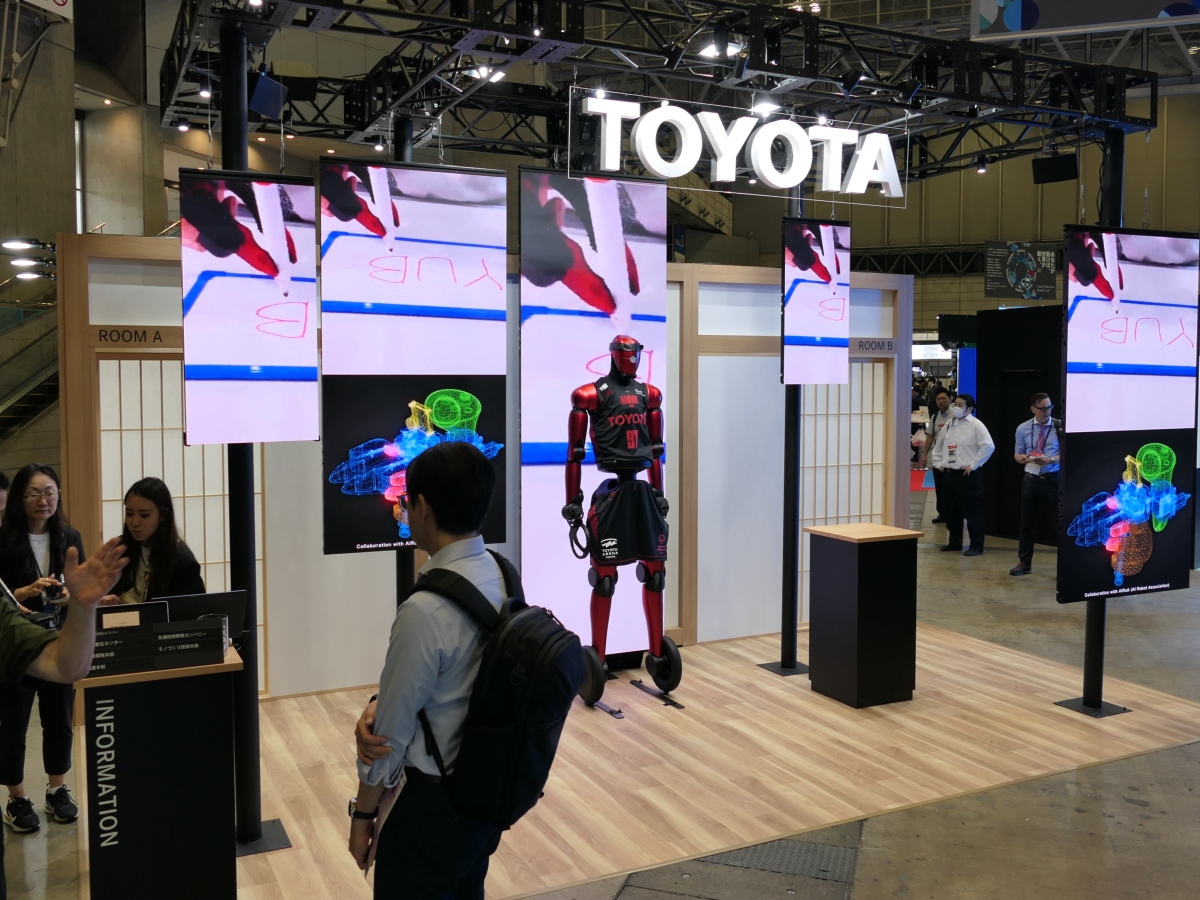
Toyota Motor's Japan Mobility Show Bizweek 2026 booth centers on its AI basketball robot CUE7, has no other ex…
Snowflake published a post on agentic AI across oncology's five stages, citing AstraZeneca cutting data produc…