
What happened
Meta argued that torrenting approvals came from "collaborative" talks with no single decision-maker and that leadership made no "formal" decisions on early Llama 1 and 2 training data; judge Hixon rejected that reading.
Why it matters
Meta was ordered to answer who made, authorized, or approved obtaining the shadow libraries — a ruling that keeps executives in the disclosure crosshairs rather than letting the company settle blame on staff.
WHO IT HITSMeta's executives and in-house legal teams defending AI-training copyright suits now face broader disclosure, and the authors suing Meta can press for names and roles rather than accept a staff-level explanation.
Summaries like this, in your inbox every morning.
The dispute turns on how Meta characterized its own early AI data practices. Meta told the court that leadership did not make "formal" decisions when acquiring datasets for early training on models like Llama 1 and 2, and that this "initial informal approach" only later gave "way to more structured review and approval processes." It also accused Entrepreneur Media of "speculation" for suspecting someone at Meta must have approved a seeding activity that specific mitigations were deployed to avoid.
Hixon's pushback was procedural rather than factual: the authors' request, the judge said, did not limit itself to formal decisions and did not presume a single decision-maker. That framing keeps Meta's executives — not just staff who downloaded torrents — inside the scope of the questions, including who "made, authorized, or approved any decision to obtain or download the shadow libraries."
One open thread is the fate of pirated works that were not used for AI training, which Hixon said Meta must also address. Meta and Entrepreneur Media's lawyer did not immediately respond to Ars' request for comment.
Pick your industry and the AI tools you use, and get news related to your work every day.
Free · 30 seconds with Google · unsubscribe anytimeWhat is AIToday? →
Ask AI anything about this article. The AI reads this article, earlier AIToday articles, and Wikipedia, and cites its sources. Q&As are published on this page for other readers too.
The US imposed sanctions on five Chinese entities tied to former Google engineer Linwei Ding, after his convic…

Nvidia is reportedly in talks to invest hundreds of millions of dollars in Firmus, and Maas Group — which owns…

Pigment closed a $250 million Series E at a $2.3 billion valuation, led by Scaleup Europe Fund managed by EQT…

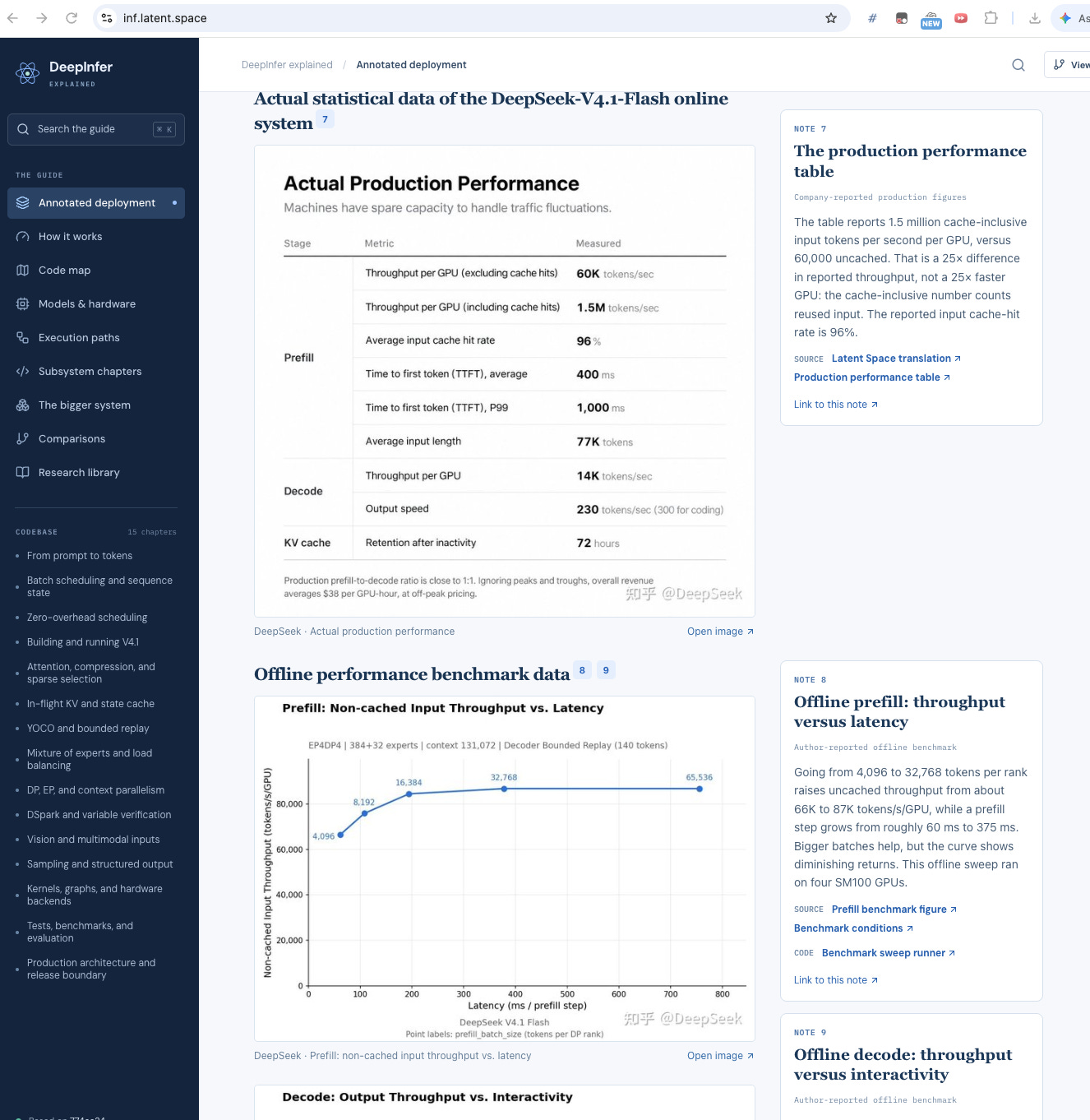
DeepSeek released DeepInfer, the inference engine behind V4.1-Flash, with production figures of 155 trillion t…
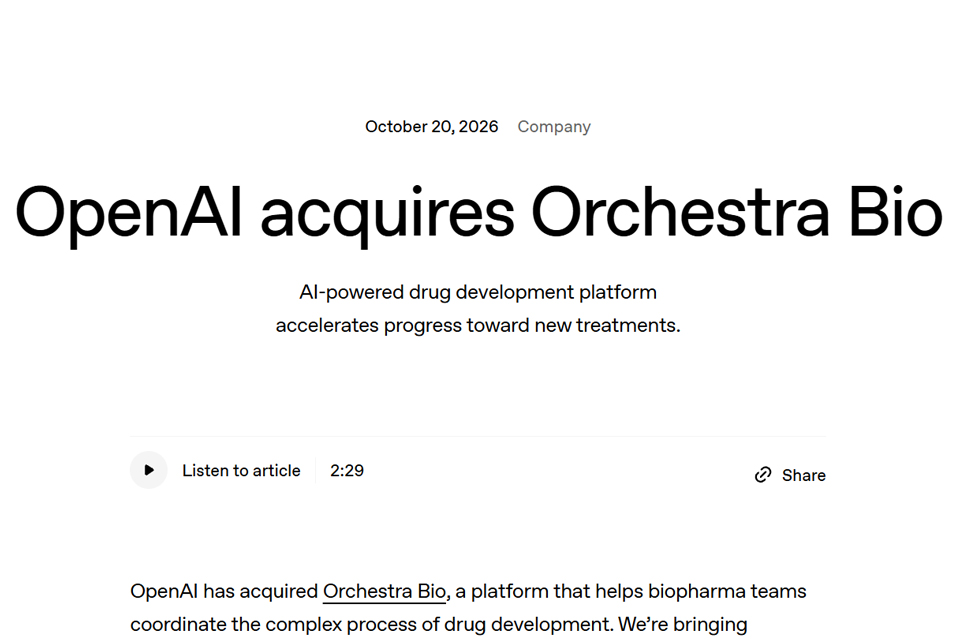
OpenAI acquired Orchestra Bio on October 20 and is integrating its team and drug-development coordination tech…
Hitachi unveiled a prototype GPU cold plate whose "U字トンネル流路" sends coolant straight at the GPU's hot spots, wi…