What happened
Telnyx released an open-source Python application (102 lines) that uses Telnyx Call Control and Llama 3.3 70B AI to answer incoming calls, ask qualifying questions, and generate structured price quotes in real time without human intervention. Callers hear text-to-speech greetings, speak naturally, and receive a quote with line items and monthly total before hanging up.
Why it matters
Traditional quote flows require web forms, email delays, or sales handoffs. This agent eliminates friction by conducting a conversational interview on the phone and extracting clean JSON quotes (with product, quantity, unit price, and subtotal) that are immediately accessible via API — ready to pipe into CRM systems or billing platforms. Businesses can customize the product catalog and questioning style by editing the system prompt.
What to watch
The app stores quotes in memory by default; production deployments will need a database (PostgreSQL or Redis), multi-worker concurrency (gunicorn), timeout handling, webhook signature verification, and integration with CRM systems like Salesforce or HubSpot. Code is available to clone and deploy locally with ngrok in minutes.
Summaries like this, in your inbox every morning.
The article presents a working end-to-end example of an AI phone agent designed to eliminate friction from the price-quote sales process. Traditional flows require callers to fill out forms, wait for sales emails, or be transferred to a human — all friction points that reduce conversion. This agent runs a real-time voice conversation, adapts its questions based on the caller's responses (e.g., asking about SMS volume only if the caller mentioned SMS), and delivers a quote on the call itself.
The technical architecture is simple: incoming calls trigger Telnyx webhooks, which drive a state machine in a Flask app. Each event (call initiated, call answered, speech gathered, call ended) triggers the next action. The AI model (Llama 3.3 70B) handles two distinct tasks — conducting the conversation and extracting structured data from it afterward. The post-call extraction is the key innovation: rather than relying on the AI to produce structured JSON during the conversation (which could be error-prone), the app replays the transcript with a specific extraction prompt, yielding a clean, machine-readable quote object ready for integration with billing systems or CRMs.
For production, the article notes that in-memory storage must be replaced with a database, concurrency needs to be managed with a WSGI server (gunicorn), and error recovery and monitoring are essential. The customization surface — the system prompt and pricing catalog — is explicit, allowing businesses to adapt the agent to different product catalogs (consulting, SaaS, manufacturing) and questioning strategies without touching the core logic.
Pick your industry and the AI tools you use, and get news related to your work every day.
Free · 30 seconds with Google · unsubscribe anytimeWhat is AIToday? →
Ask AI anything about this article. The AI reads this article, earlier AIToday articles, and Wikipedia, and cites its sources. Q&As are published on this page for other readers too.
ElevenLabs completed a $300 million employee tender at a $22 billion valuation, and co-founder Mati Staniszews…

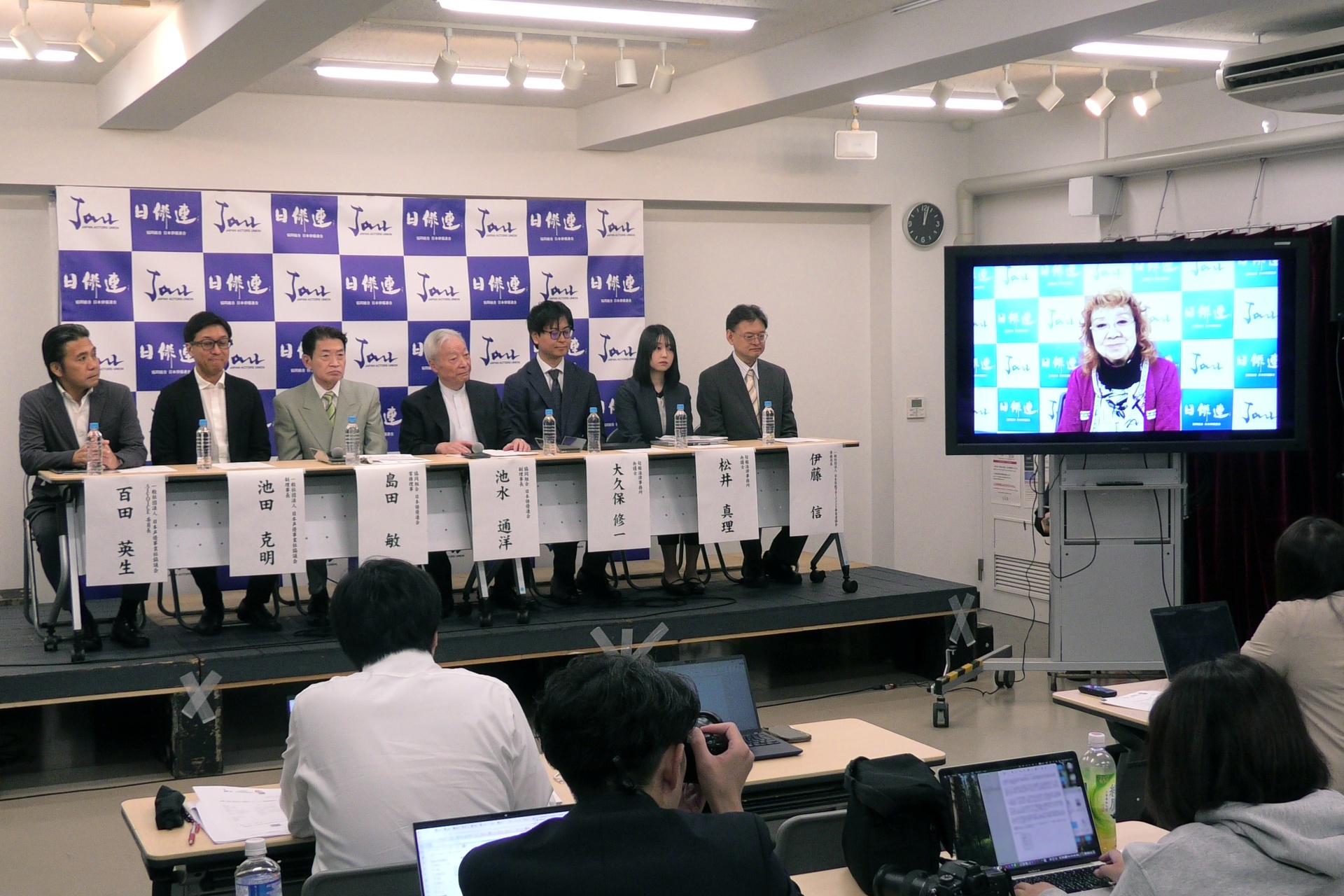
Nichiren announced its generative AI voice usage guideline on October 15, built on three pillars: prior notice…
A walkthrough shows Irodori-TTS, an open Japanese-only TTS model by Aratako, running on Databricks Model Servi…
A solo developer built Yurune, a web app that plays synthesized rain, wave and forest sounds and lets users ta…
The developer benchmarked Moonshine Voice's Japanese "Small Streaming" model against faster-whisper's small mo…

The Japan Actors Union adopted a generative AI guideline for voice on October 15, requiring prior consent from…