
A study has revealed that Amazon and Walmart's AI systems can detect products falsely labeled as "made in USA" but do not automatically flag or remove them from sale.
This gap between detection and enforcement means consumers may be misled into paying premium prices for imported goods presented as domestic, while legitimate American manufacturers lose market share to fraudulent competitors.
What happened
A study found that artificial intelligence systems used by Amazon and Walmart successfully detect products falsely labeled as "made in USA" but fail to flag or block those listings from being sold.
Why it matters
Consumers who pay premiums for domestically manufactured goods may be deceived, and domestic manufacturers face unfair competition from imported products mislabeled as American-made. The finding suggests major retailers' AI tools can identify the fraud but are not configured to prevent it.
What to watch
The study's findings could pressure Amazon and Walmart to enforce stricter policies linking their fraud-detection systems to actual removal of deceptive listings.
A recent study examined how Amazon and Walmart's AI systems handle products fraudulently labeled as "made in USA." The research revealed that both retailers' artificial intelligence tools can successfully identify when products are falsely claiming American origin, demonstrating technical competence in pattern recognition and fraud detection. However, the study found a critical gap: despite detecting these fraudulent listings, the AI systems do not flag them for removal or prevent them from remaining available for purchase on the platforms. This means consumers browsing these marketplaces may unknowingly purchase imported goods presented as domestically manufactured, often at prices reflecting a "made in USA" premium. The failure to act on detected fraud also creates an unequal competitive environment for legitimate American manufacturers, who must compete against mislabeled imports without the same pricing advantage. The study underscores that detection capability alone does not equal consumer protection—retailers must configure their systems to translate fraud detection into concrete action, such as delisting products or alerting consumers to misrepresentation.
The study highlights a disconnect between capability and enforcement at two of the world's largest online retailers. Amazon and Walmart have invested in artificial intelligence systems capable of identifying fraud, yet those systems appear to operate in a detection-only mode—flagging problematic listings internally without translating that detection into customer-facing enforcement or removal. This gap is particularly significant given the premium consumers pay for "made in USA" products and the regulatory environment surrounding country-of-origin claims. The findings suggest that detection alone is insufficient; retailers must integrate their fraud-detection AI with active enforcement mechanisms if they are to protect consumers and fair competition in the domestic manufacturing sector.
AI-summarized, only the topics you pick — one digest a day via Email, Slack, or Discord.
Free · takes 30 seconds · unsubscribe anytime
The TAIONE Open Source Foundation was officially launched and will deploy NT$300 million(約480億円) in private-se…

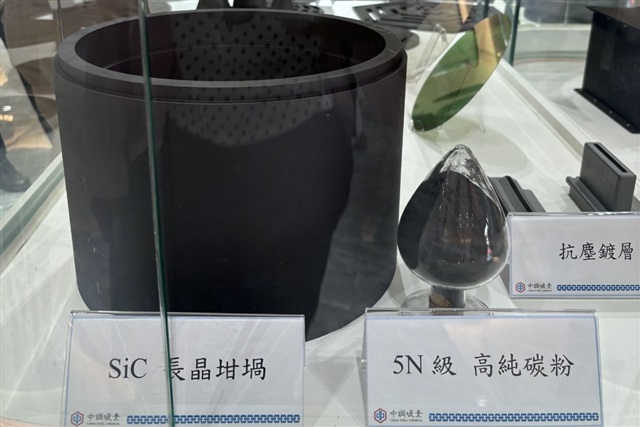
China Steel Corporation affiliate CSCC has developed 6N high-purity isotropic graphite blocks for 8-inch and 1…
The 2026 World Artificial Intelligence Conference (WAIC) revealed that the automotive industry is moving away…

Central Taiwan Science Park's Erlin Park will begin operations of its first standard factory building in the s…

Hitachi announced the Agentic AI Integration Platform, which applies AI agents across the entire systems integ…

Amazon reported second-quarter net sales up 20%, with AWS cloud revenue rising 37% year over year to $42 billi…

The AI news that matters, in one minute each morning.
Sign up free