What happened
Inbolt CEO Rudy Cohen will speak at RoboBusiness on Oct. 20-21 in Santa Clara, arguing physical AI's real problem is deployment, not data, based on over 100 factories and 40 million-plus robot cycles.
Why it matters
Cohen reframes where physical AI pays off — closing the loop at servo frequency, not bigger models — potentially reducing the months of fixtures and wiring that make deployments six-figure projects.
What to watch
Cohen will use production data from Stellantis, Toyota, and Ford to show physical AI is commercially proven. The talk's impact hinges on whether attendees accept this shift from the data-centric consensus.
WHO IT HITSManufacturing leaders and robotics developers evaluating physical AI investments will hear a case for prioritizing deployment integration over data collection, potentially changing how they allocate resources toward servo-level control loops.
Summaries like this, every morning.
The robotics industry often treats data as the main hurdle for physical AI, focusing on better simulation and curation. Cohen counters that this applies in the lab, not the factory, where the integration tax around perception and motion is the actual constraint. His company, Inbolt, applies vision-guided control across its factory footprint, suggesting a practical alternative to the data-centric view.
Cohen's background includes applied mathematics at École Normale Supérieure Paris-Saclay and entrepreneurship studies at École Polytechnique and HEC Paris. Inbolt has raised €20 million ($23.2 million U.S.) since 2019 and operates in factories across Europe, the U.S., and Japan. The RoboBusiness talk will use production data from Stellantis, Toyota, and Ford to argue physical AI is already commercially proven, though perhaps not in the areas receiving the most attention.
The stakes for this argument are significant for manufacturing decision-makers. If Cohen's deployment-focused perspective gains traction, it could shift investment toward real-time control integration rather than model scale. The outcome likely hinges on whether the evidence from major automakers convinces attendees that closing the loop at servo frequency delivers more value than pursuing larger models, potentially reshaping priorities for robotics deployments.
Pick your industry and the AI tools you use, and get news related to your work every day.
Free · 30 seconds with Google · unsubscribe anytimeWhat is AIToday? →
Ask AI anything about this article. The AI reads this article, earlier AIToday articles, and Wikipedia, and cites its sources. Q&As are published on this page for other readers too.
Warp Sciences, an AI-and-robot chemistry CRO led by ex-OpenAI product chief Kevin Weil, launched on the 22nd w…
Tesla cut its 2026 capex guidance by $5 billion to $20 billion, just three months after lifting it by $5 billi…
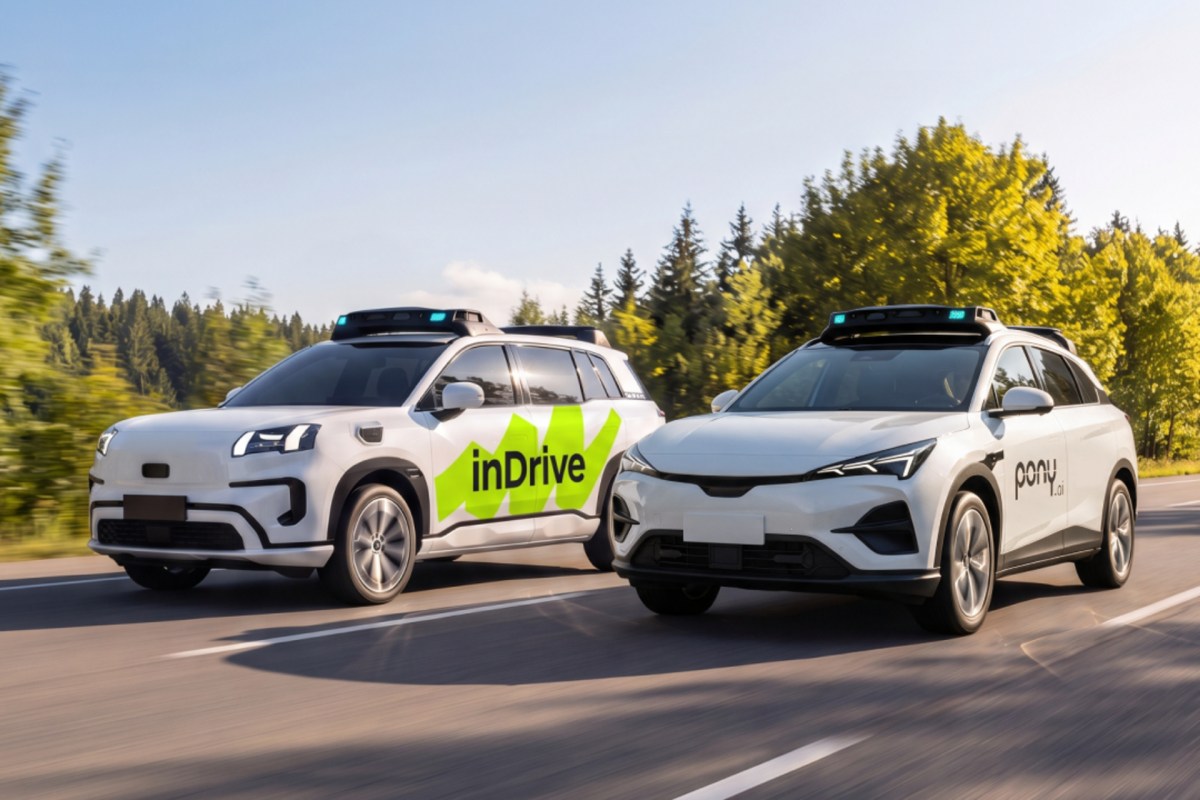
inDrive, Pony.ai and Nvidia signed a memorandum of understanding to test Pony.ai's Gen-7 robotaxis in Astana…
MIT researchers put 13 Eko agents, each running on Claude Opus 4.7, alone on a simulated desert island for 30…

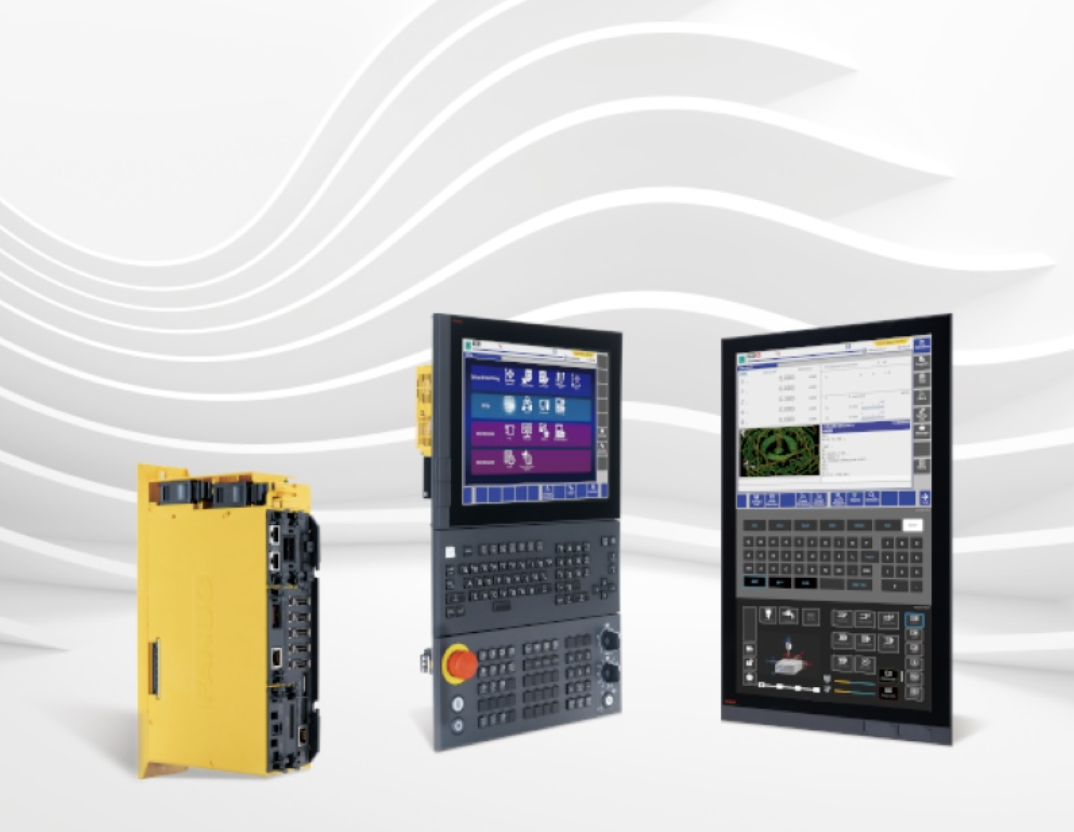
FANUC will exhibit physical AI, CNCs and robots at JIMTOF 2026, in booth S2001
Google DeepMind showed Gemini 4 Argon analyzing raw video of a person playing cornhole, generating simulation…