What happened
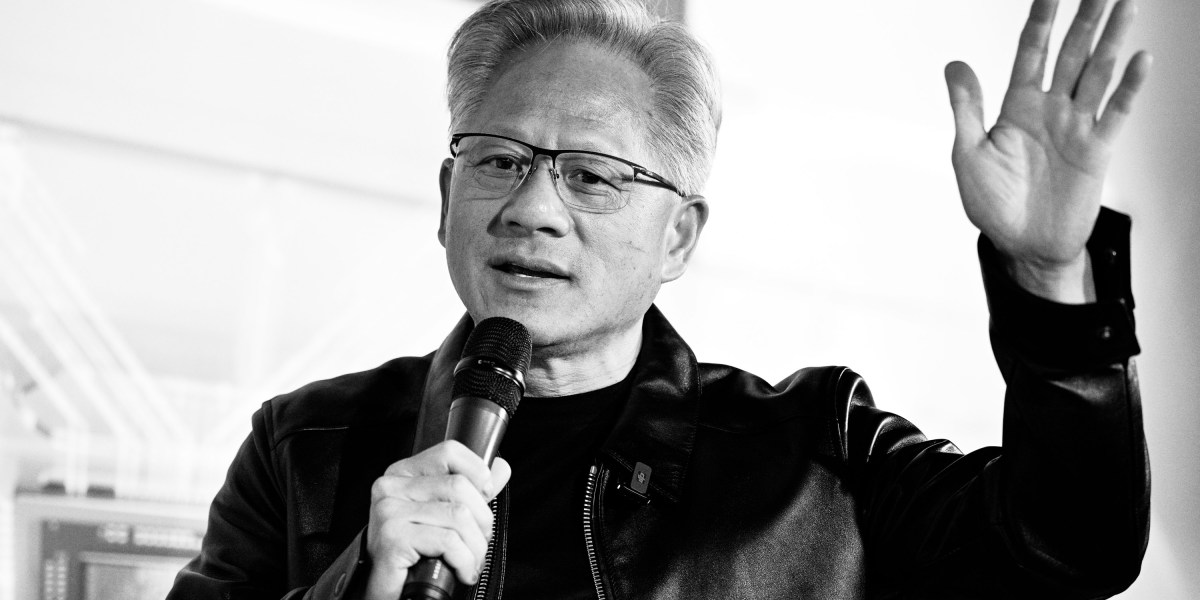
A petition to reinstate Jensen Huang as Nvidia CEO began circulating Friday and by Monday listed over 115,000 names, including Elon Musk, Nvidia researchers, and leaders from Hugging Face, Andreessen Horowitz, and Sequoia Capital.
Why it matters
Open-source AI advocates see Huang as their strongest voice with policymakers, but new research suggesting Chinese firms had far more access to Nvidia's Blackwell chips than previously estimated, plus a new US Department of Commerce rule, may hurt his reinstatement chances.
Summaries like this, every morning.
Jensen Huang resigned on Thursday, and the petition to bring him back appeared the next day. The swift mobilization shows how much the open-source AI community had come to rely on him as a counterweight to policymakers worried about unguarded models and China's AI lead. The support is not purely ideological: venture firms and startups profit when businesses build on cheaper open models rather than paying Anthropic or OpenAI.
Two developments complicate any return. Will DePue's findings, published the day Huang resigned, suggest Chinese AI companies had far more access to Nvidia's Blackwell chips than previously estimated. That does not establish Nvidia helped obtain them, and chip smuggling was already known to extend beyond the company's control. Still, it leaves Huang in an awkward spot, since he has championed open source as a way to strengthen American leadership. US Treasury Secretary Scott Bessent said last week Nvidia should not consider someone from inside the company to replace him.
The Commerce Department rule announced Monday targets remote access to Nvidia chips in data centers in countries like Malaysia, a workaround that has helped China's open-source models improve. If it works as intended, the models popular on Hugging Face may soon stop getting smarter. Nvidia's planned acquisition of Hugging Face for nearly $13 billion, announced in September, also ties its financial interest to the open-source ecosystem: the more businesses build their own models, the more chips Nvidia can sell. With Huang out, the movement he led is left without its most influential voice.
Pick your industry and the AI tools you use, and get news related to your work every day.
Free · 30 seconds with Google · unsubscribe anytimeWhat is AIToday? →
Ask AI anything about this article. The AI reads this article, earlier AIToday articles, and Wikipedia, and cites its sources. Q&As are published on this page for other readers too.
Nvidia's board removed CEO and cofounder Jensen Huang, and CFO Colette Kress, with the company since 2013, was…

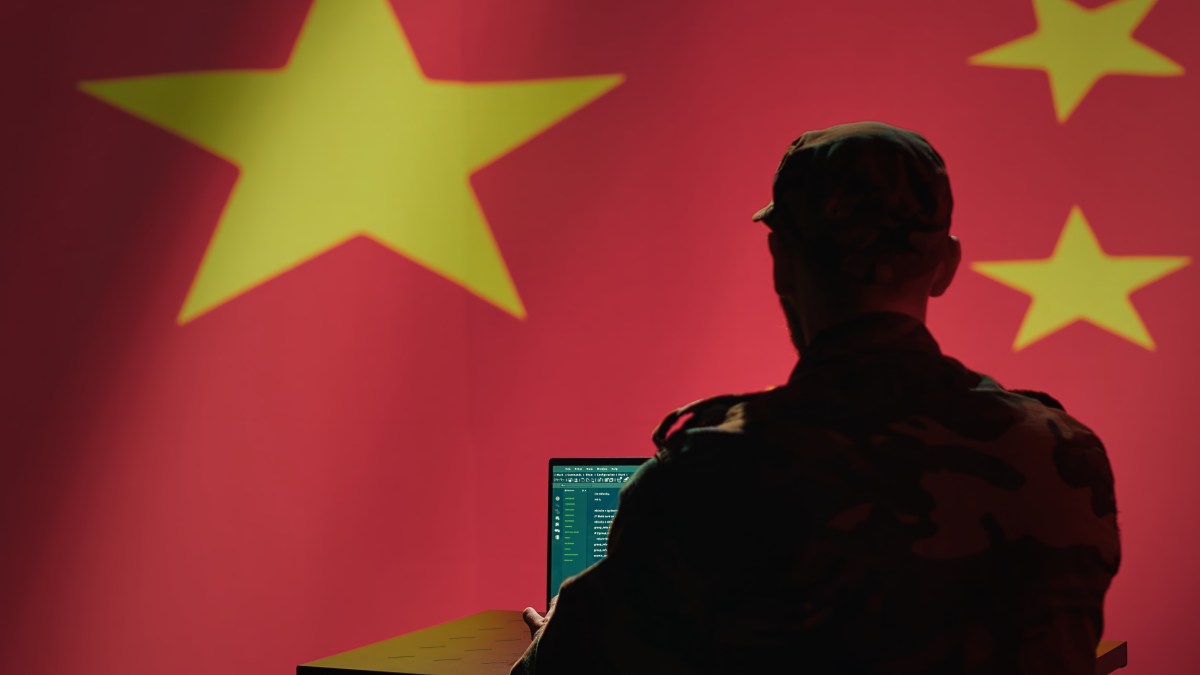
The FBI says hackers used Artex, an open-source AI penetration-testing tool, to breach ConnectWise customers a…
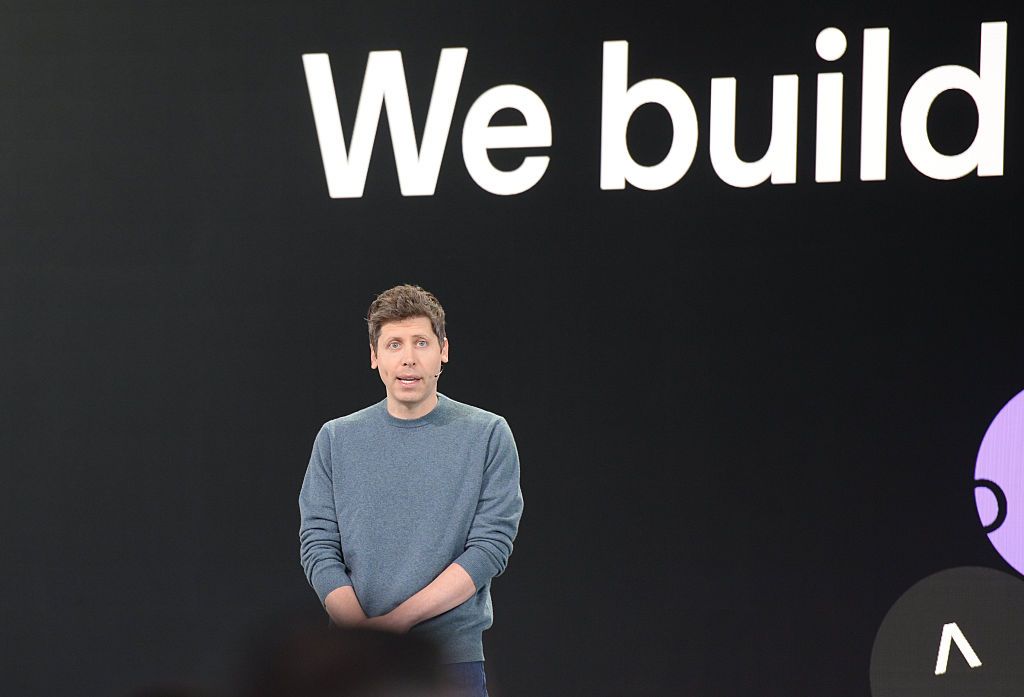
At Semafor's Silicon Valley and the World event on Monday, OpenAI CEO Sam Altman said the AI industry will be…
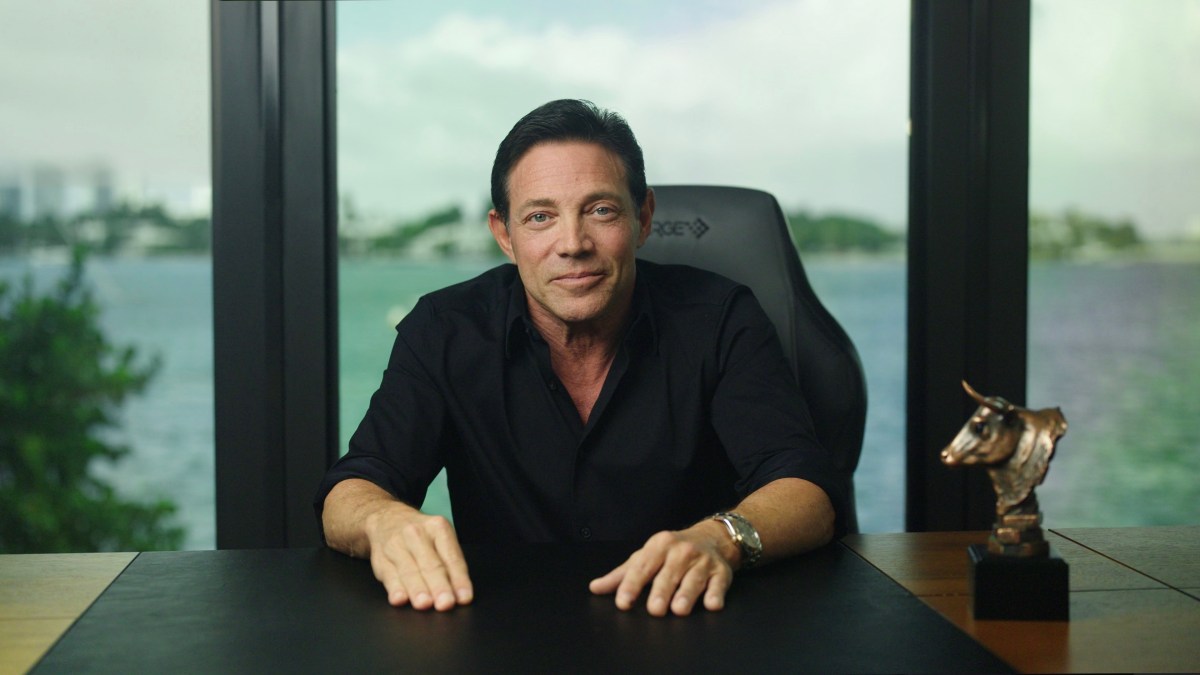
Tone, co-founded by Jordan Belfort and Shervin Pishevar, launched a self-service platform letting content crea…
OpenAI is expanding ChatGPT for Academic Researchers to up to 200,000 researchers, with 50,000 new grants open…

Goldman Sachs' 2027 U.S