What happened
Goldman Sachs' 2027 U.S. outlook says the "low-hire, low-fire" job market should last one more year before AI displacement hits harder; jobless claims rose 9,000 to 200,000 in the week ended Nov. 7.
Why it matters
The call means the AI layoff wave feared at the start of the year has not shown up in elevated layoffs, leaving the adjustment to appear through stagnant hiring for now, by Goldman's reading.
Summaries like this, every morning.
Goldman Sachs has been arguing that AI job losses are waiting on a downturn to be felt in force. In October 2025, Goldman's U.S. economists David Mericle and Pierfrancesco Mei called "jobless growth" the likely new normal, predicting that the full consequences of AI for the labor market might not become apparent until a recession hits. Last month, Goldman economist Joseph Briggs estimated that up to 9% of workers could be "displaced during the AI transition," roughly one in 11, finding that automation-related labor disruption is limited when the overall economy is healthy but accelerates during cyclical slowdowns.
For workers, the effects so far have shown up in stagnant hiring rather than elevated layoffs. The four-week average of initial jobless claims was flat at 195,000, which Goldman said Thursday is "remaining at its lowest level in the series' history." Weekly claims touched 189,000 in mid-July, the lowest since 1969, according to Reuters. In the same week a year ago they were 228,000. Goldman says wage growth has settled at about 3.5%, which it calls "a subdued pace."
Skeptics offer another reading. Princeton computer scientists Arvind Narayanan and Sayash Kapoor called AI a "normal technology" in a 2025 essay, and Narayanan has pushed back on the idea that generative AI is about to eliminate vast swaths of white-collar work. Richard Hanania, a political writer, argued in a Nov. 9 essay that global growth and interest rates show little progression toward the disruption Anthropic CEO Dario Amodei predicted in May 2025, when he said AI could wipe out half of entry-level white-collar jobs and push unemployment to 10% to 20% within one to five years. Hanania listed eight reasons a middle manager might keep employees around even after AI can produce their reports and spreadsheets, from having people to boss around to not feeling like a bad guy for cutting jobs.
Pick your industry and the AI tools you use, and get news related to your work every day.
Free · 30 seconds with Google · unsubscribe anytimeWhat is AIToday? →
Ask AI anything about this article. The AI reads this article, earlier AIToday articles, and Wikipedia, and cites its sources. Q&As are published on this page for other readers too.
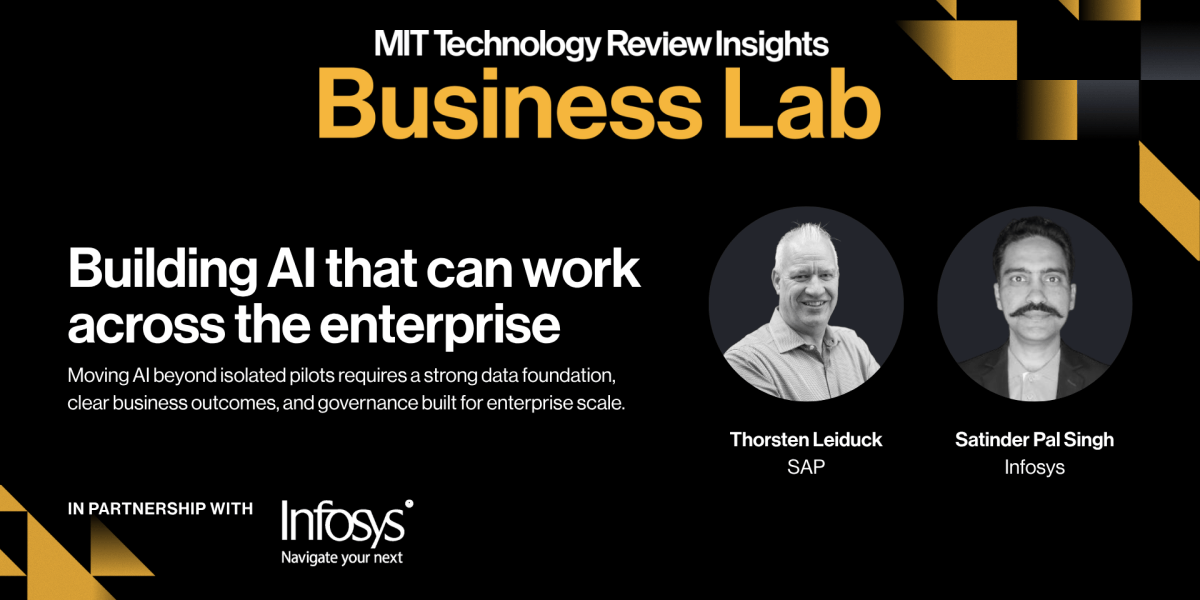
In a Business Lab discussion produced with Infosys, SAP's Thorsten Leiduck and Infosys's Satinder Pal Singh sa…
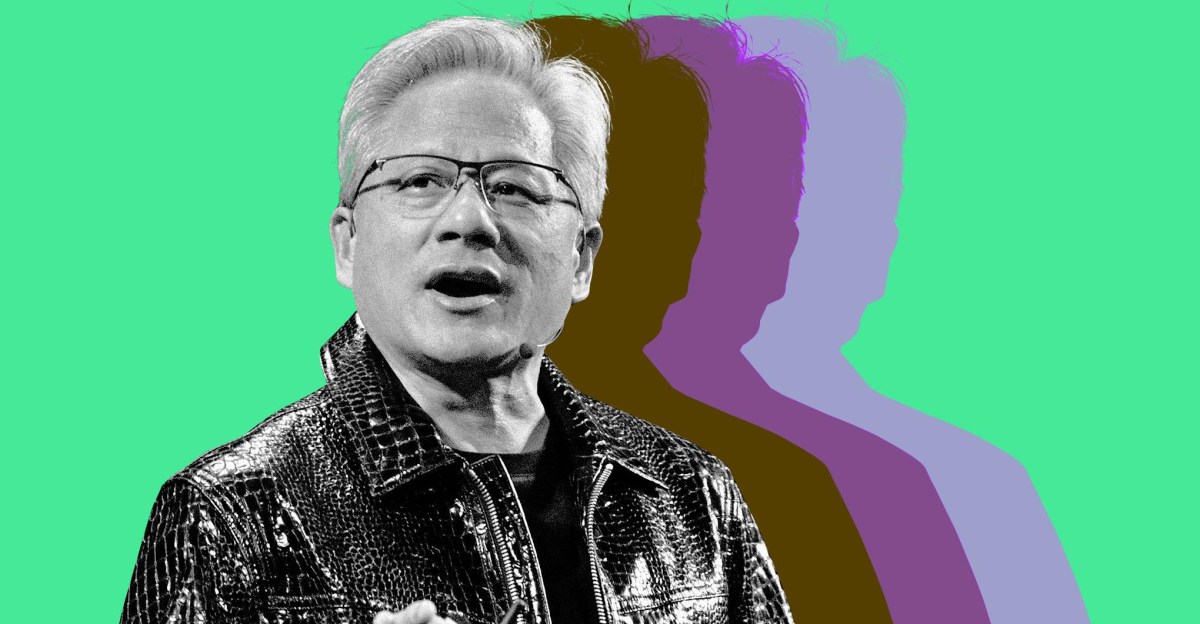
Jensen Huang resigned as Nvidia CEO last Wednesday after 33 years at the helm, and CFO Colette Kress has taken…
Z Creative Partners said it will validate pairing OpenAI's "Businesses in ChatGPT" official metrics, such as B…

Intel traded at $56.96 premarket, down 42.0% over one month, as it pivots to edge AI with 130+ customers testi…
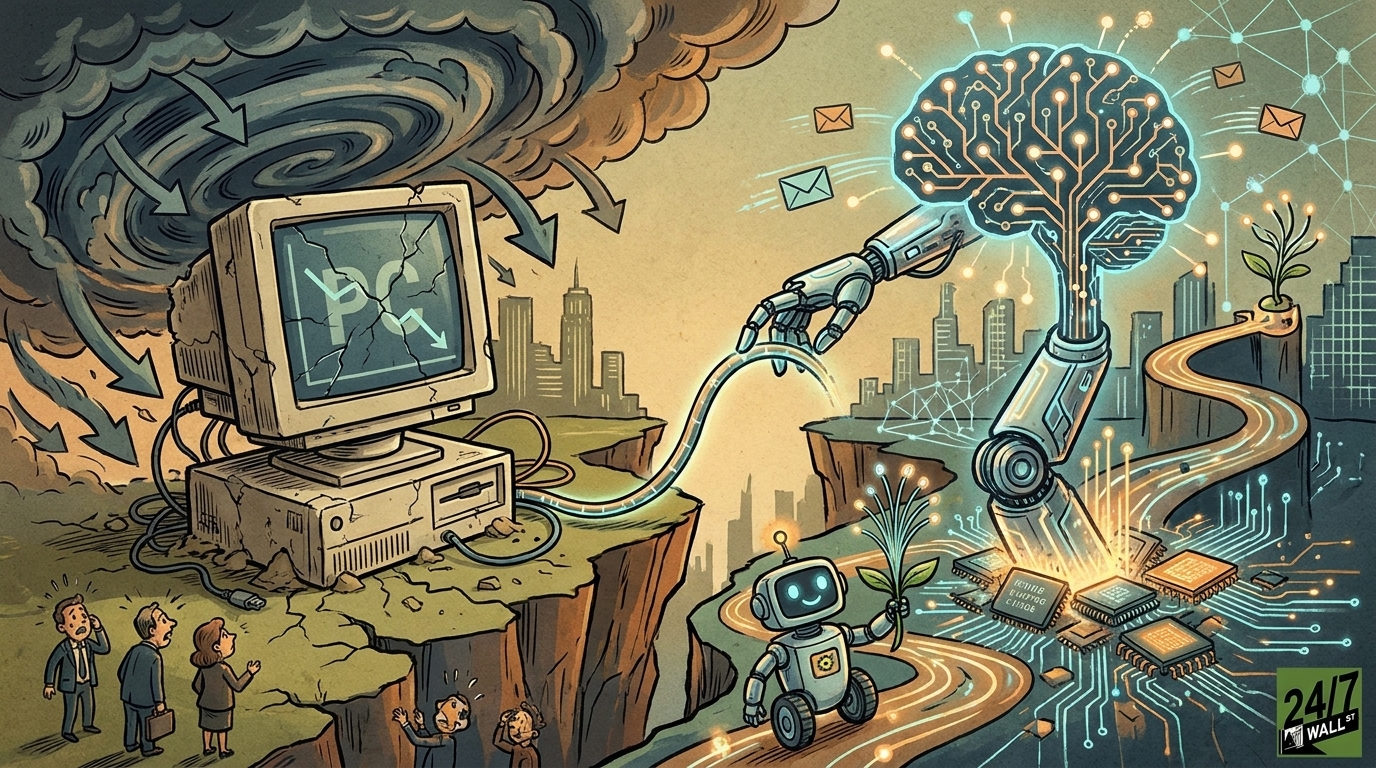
Bob Morse of Strattam Capital and Michael Quoia of KSE Leadership propose that new graduates become managers o…

GHGSat CEO Stéphane Germain wrote in Fortune that AI is built into GHGSat's data processing to flag likely met…