
What happened
Alphabet reported Q2 2026 revenue of $119.8 billion(約19兆円), up 24% year over year, with Cloud revenue jumping 82% to $24.8 billion(約4兆円). The company launched new AI models including Gemini 3.6 Flash and 3.5 Flash Lite. Operating income reached $40.8 billion(約6.5兆円) with a 34% operating margin.
Why it matters
The Cloud revenue surge and $514 billion(約82兆円) backlog (up more than $50 billion(約8兆円) sequentially) show strong enterprise demand for AI infrastructure. CEO Sundar Pichai stated the company is "more bullish on the opportunities ahead," signaling confidence in long-term AI return on investment despite early-stage market development.
What to watch
Free cash flow turned negative $5.9 billion(約9400億円) in the quarter due to capital expenditures of $44.9 billion(約7.2兆円), primarily in technical infrastructure. Supply constraints in AI infrastructure may limit near-term growth, and the company faces rising operating expenses (up 27%) that could pressure profitability.
Summaries like this, in your inbox every morning.
Alphabet's Q2 2026 results reflect a company riding strong enterprise momentum in cloud and AI services while managing heavy infrastructure investments. The 82% Cloud revenue growth and backlog expansion of more than $50 billion(約8兆円) signal that demand for AI infrastructure far outpaces supply — a dynamic that CEO Sundar Pichai framed as evidence of a "secular shift across multiple areas." His statement that the company is "more bullish on the opportunities ahead" than it was one year ago suggests management believes the current investment cycle, though costly, is justified by the scale of the emerging opportunity.
The tension in the results is clear: while Cloud and Search advertising growth accelerated (Google Search and Other Advertising up 17% to $63.3 billion(約10兆円)), the company's heavy CapEx spending ($44.9 billion(約7.2兆円)) has driven free cash flow deeply negative ($5.9 billion(約9400億円)). Pichai acknowledged that the company is "in the early stages" of translating frontier AI capabilities into consumer experiences, implying that profitability from these investments remains future-looking. Operating expenses rose 27%, outpacing the 24% revenue growth, which may constrain near-term operating leverage.
The negative signals — a $1.8 billion(約2900億円) operating loss in Other Bets, a 1% year-over-year decline in Network advertising revenue, and supply constraints in AI infrastructure — suggest headwinds exist alongside the growth narrative. Investors are effectively financing a bet that the Cloud backlog will convert to revenue and that new AI products will eventually drive meaningful consumer and enterprise monetization at scale.
For example, today's edition would include:
AI-summarized, only the topics you pick — one digest a day via Email, Slack, or Discord.
Free · 30 seconds with Google · unsubscribe anytimeWhat is AIToday? →
Ask AI anything about this article. Q&As are published on this page for other readers too.
Expanse has secured $5.3 million in seed funding for AI infrastructure software that predicts the exact GPU, C…

Cloudflare CEO Matthew Prince says bot requests hit almost 60% of web traffic in May, and Cloudflare this week…
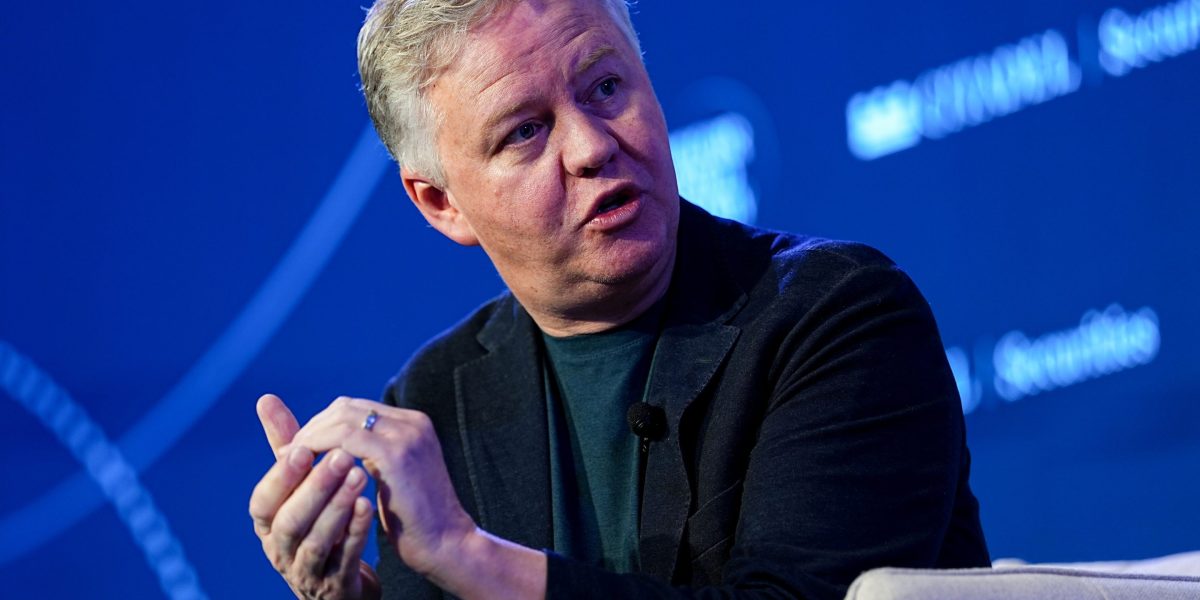
Anthropic CEO Daniel Amodei called for slowing the pace of AI development, and Kioxia Holdings shares briefly…

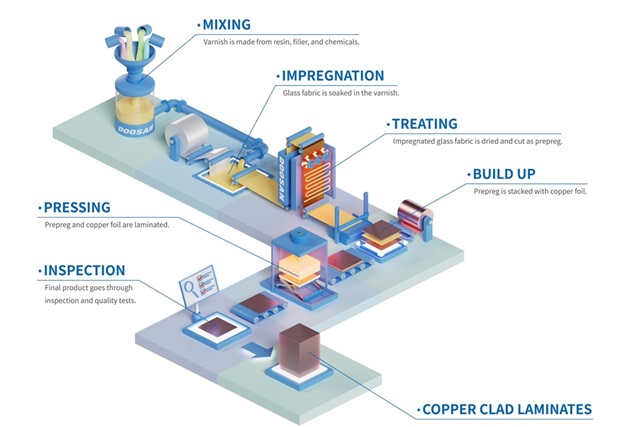
Doosan committed KRW968 billion to expand high-end copper-clad laminate (CCL) production in South Korea and Ch…
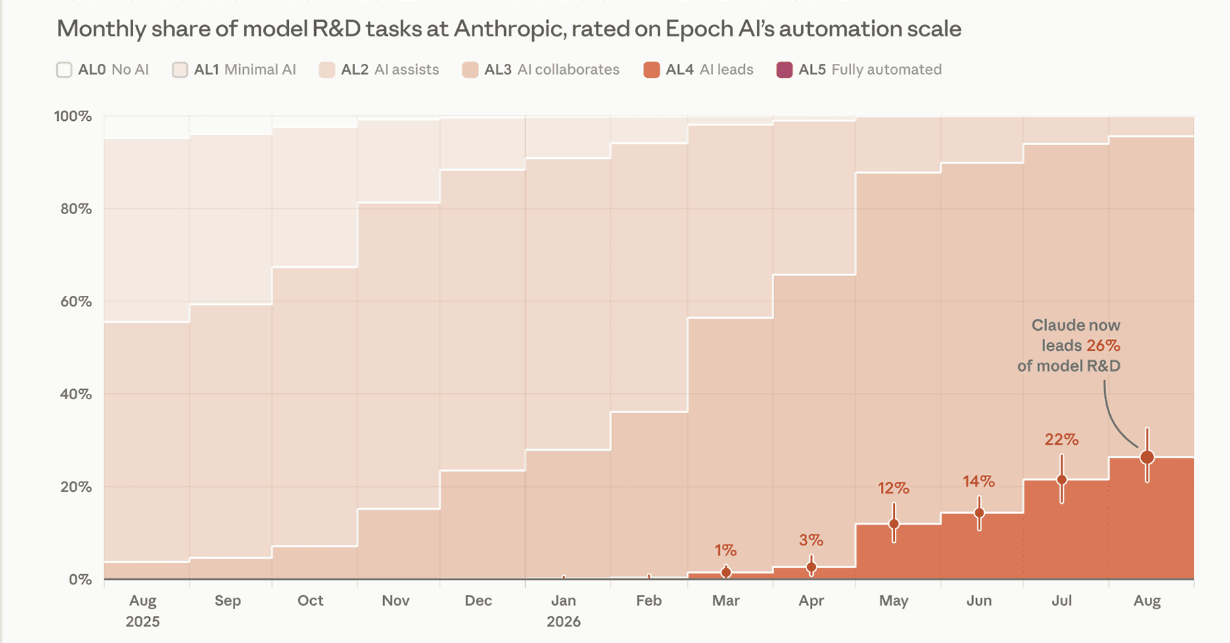
Anthropic Institute said that as of August, 26% of its AI research and development work was almost entirely do…
Abel more than tripled Berkshire's Alphabet stake in the first quarter and added another $17 billion in the se…