What happened
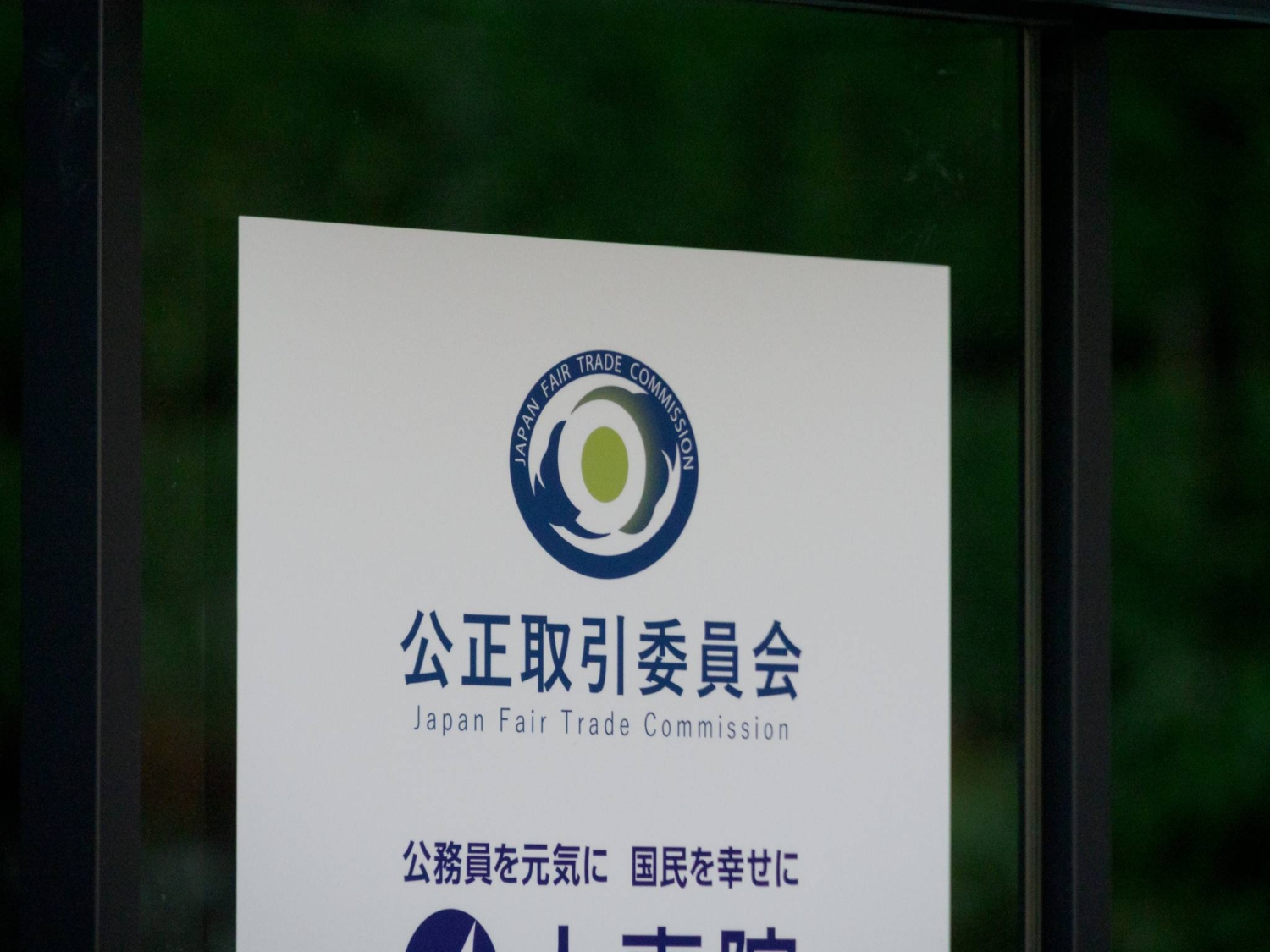
Japan's Fair Trade Commission announced plans Wednesday to establish a new bureau for the first time in about 30 years, split the Economic Affairs Bureau into two separate units, and upgrade regional offices into regional bureaus. The commission aims to submit a bill to revise the antimonopoly law during next year's ordinary Diet session to enable the restructuring.
Why it matters
The overhaul responds to expanded responsibilities following the December enforcement of two laws: the smartphone software competition promotion law (targeting Google and Apple's market dominance) and a revised law on ensuring fair transactions for small and medium-sized businesses. The restructuring is designed to intensify enforcement against unlawful price-transfer practices and strengthen oversight of Big Tech firms.
What to watch
The commission will need Diet approval of the antimonopoly law revision during next year's ordinary session for the restructuring to proceed. The current two-bureau structure (Economic Affairs Bureau and Investigation Bureau) will become three bureaus under the plan.
Summaries like this, in your inbox every morning.
Japan's antitrust enforcement landscape shifted in December 2024 with the enforcement of two major laws addressing digital competition and small-business fairness. The smartphone software competition promotion law directly targets the market dominance practices of global platforms Google and Apple, while the revised law strengthens protections for small and medium-sized businesses against unfair transaction practices. These twin mandates have created a substantial increase in the Fair Trade Commission's enforcement obligations, prompting the organizational restructuring announced Wednesday.
The 30-year gap since the last new bureau underscores how rarely Japan's antitrust structure has evolved. By splitting the Economic Affairs Bureau and elevating regional offices, the commission aims to distribute workload and intensify local enforcement against unlawful price-transfer practices. The plan to submit a bill during next year's ordinary Diet session indicates the government views this as a priority institutional response to the new regulatory environment created by the December laws.
For example, today's edition would include:
AI-summarized, only the topics you pick — one digest a day via Email, Slack, or Discord.
Free · 30 seconds with Google · unsubscribe anytimeWhat is AIToday? →
Ask AI anything about this article. Q&As are published on this page for other readers too.
China's Ministry of Industry and Information Technology (MIIT) and National Development and Reform Commission…
At an event in Scotland, Nvidia CEO Jensen Huang argued AI should not be regulated like social media
In an open letter to the president of the Royal Society, 42 mathematical fellows — including Fields Medal winn…

Cloudflare CEO Matthew Prince says bot requests hit almost 60% of web traffic in May, and Cloudflare this week…
The NYC DSA's Tech Action Working Group posted an Instagram carousel on September 10 declaring AI alarmism and…

Melanie Sisson of the Brookings Institution and Tianjiao Jiang of Fudan University published proposals ahead o…