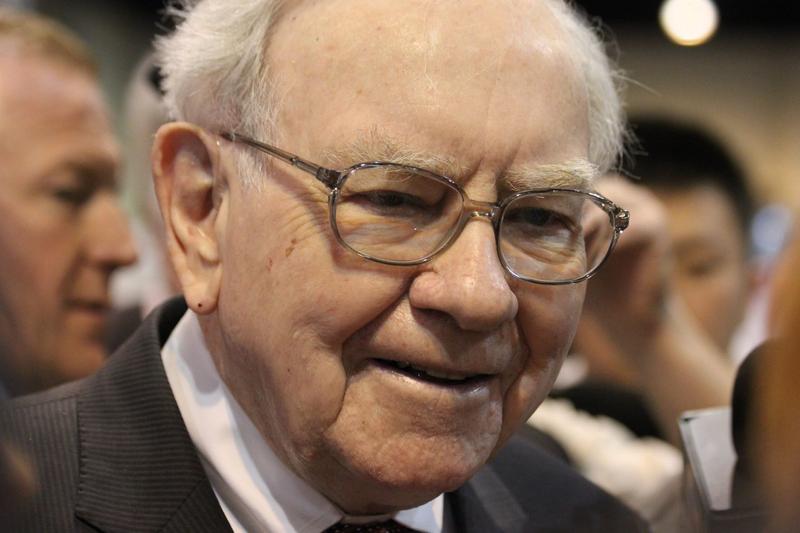
What happened
Abel more than tripled Berkshire's Alphabet stake in the first quarter and added another $17 billion in the second quarter, making Alphabet its third-largest holding, ahead of Coca-Cola and Bank of America.
Why it matters
Berkshire's new CEO is embracing AI-linked investments that Buffett largely avoided, and he told CNBC's Becky Quick that Berkshire's internal AI use gave it "visibility" and that it "saw Google as a significant player."
What to watch
Abel tied the energy push to keeping customer costs flat, so growth hinges on whether data center demand for power can expand without raising rates. Goldman Sachs expects data centers to supply 40% of electricity demand growth this decade.
WHO IT HITSBerkshire Hathaway shareholders are exposed to a markedly different playbook from Buffett's, and utility customers of Berkshire Hathaway Energy — along with investors watching data center power demand — stand to feel the strategy's effects.
Summaries like this, in your inbox every morning.
For over half a century, Warren Buffett ran Berkshire Hathaway with a famously conservative approach, and the results were extraordinary — the Class A shares outpaced the S&P 500 by more than 6,000,000% since the mid-1960s. When he retired on Dec. 31, the question was whether that style would leave with him. Greg Abel's early moves suggest part of it has.
Buffett himself initiated the first Alphabet purchase last year, but it was Abel who more than tripled the stake in the first quarter and added another $17 billion in the second. The reasoning he gave CNBC's Becky Quick was grounded less in markets than in operations: Berkshire's own companies showed him how AI was being used and what benefits it delivered, which he said brought "incremental interest" and led Berkshire to see Google as a significant player. Notably, that growth is tied more to Google Cloud than to search — revenue there skyrocketed 82% in the June-ended quarter, with over $99 billion in annual run rate sales.
On energy, Abel still sounds like Buffett. He spent considerable time acknowledging the backlash against data centers and said supplying the needed infrastructure only made sense if it didn't raise costs for customers. That caution is the crux: the data center buildout looks like steady demand growth for Berkshire Hathaway Energy, and Goldman Sachs expects electricity prices to rise through the rest of the decade with data centers driving an estimated 40% of demand growth. Whether Abel captures that upside without passing costs to ratepayers is likely to define how far the wager goes.
For example, today's edition would include:
AI-summarized, only the topics you pick — one digest a day via Email, Slack, or Discord.
Free · 30 seconds with Google · unsubscribe anytimeWhat is AIToday? →
Ask AI anything about this article. Q&As are published on this page for other readers too.
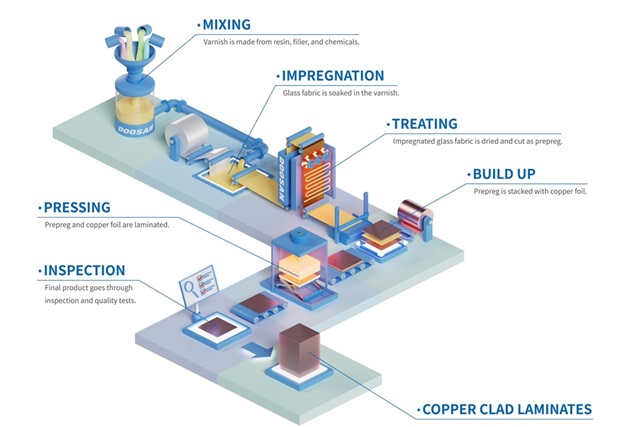
Doosan committed KRW968 billion to expand high-end copper-clad laminate (CCL) production in South Korea and Ch…
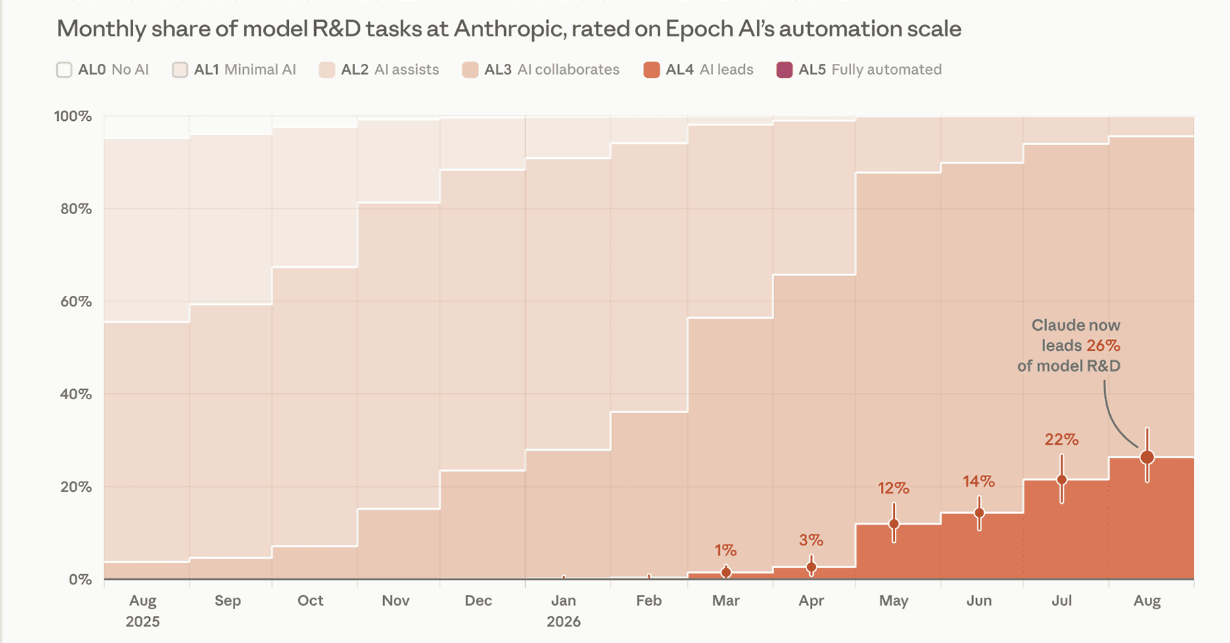
Anthropic Institute said that as of August, 26% of its AI research and development work was almost entirely do…
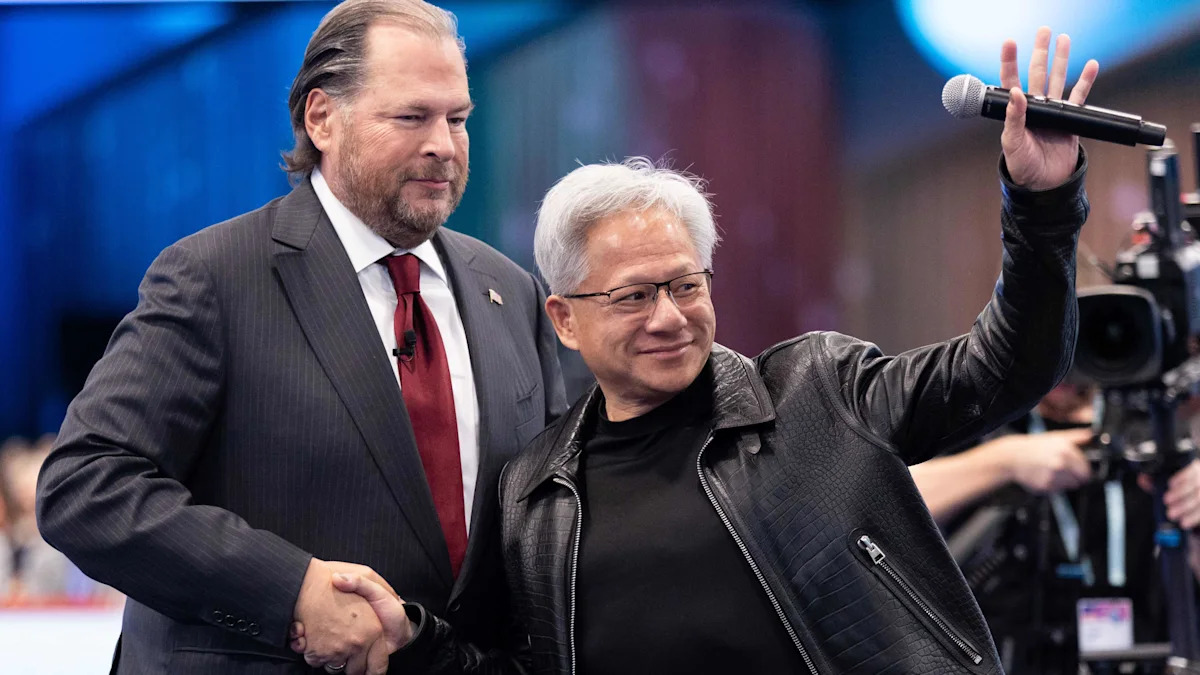
At Dreamforce, Salesforce and Nvidia unveiled Koa, a domain-specific reasoning model for Salesforce's Agentfor…
Kai-Fu Lee says most CEOs want AI transformation but are 'mostly doing it wrong', and that they must personall…
Atlassian CEO Mike Cannon-Brookes said the most AI-native customers are expanding fastest, and that customers…
Per Betterment's 2026 Retail Investor Survey of 1,000 U.S