What happened
Truthout interviews with educators, students and researchers describe under-resourced U.S. districts adopting AI tools like ChatGPT, Gemini and Amira Learning while Stanford's SCALE Initiative found few studies with causal evidence that AI improves learning.
Why it matters
Advocates argue the sales pitch can divert limited school funds from staffing and enrichment, and that poorer districts have fewer alternatives — a dynamic they describe as a step toward privatization.
Summaries like this, every morning.
The pushback described in the reporting is not only about whether AI works in classrooms. It is also about how the technology arrives there. Journalist Natasha Singer's reporting, cited in the piece, traces a decades-long effort by tech companies to embed themselves in U.S. schools — Google's push to hook students early on services like Gmail and Chrome, with ad revenue from amassed data coming later. Schools have spent tens of billions of dollars on Chromebooks and other ed tech since that wave began, and adoption accelerated during the pandemic.
What has changed is the staffing context. Chicago librarian Tara Donnelly said her school's after-school tutoring was hit hard by "Operation Midway Blitz," President Donald Trump's anti-immigration raids in the city last year, leaving little after-school life. Boston senior Yeisbel Peña described classrooms with one teacher for 10 or 20 students. Against that backdrop, AI Moratorium Coalition's Kaliris Salas-Ramirez described the bind: if a district cannot invest in human capital quickly, some ask whether AI is "the next best thing."
The Trump administration has encouraged broader AI adoption, including a 2025 executive order promoting AI education and integration for youth and teachers. Organizer Alisha Maynoush Mernick of Schools Beyond Screens LAUSD frames the result as a funding story: when public schools are underfunded, companies can swoop in, which she calls "privatization in a nutshell."
Pick your industry and the AI tools you use, and get news related to your work every day.
Free · 30 seconds with Google · unsubscribe anytimeWhat is AIToday? →
Ask AI anything about this article. The AI reads this article, earlier AIToday articles, and Wikipedia, and cites its sources. Q&As are published on this page for other readers too.
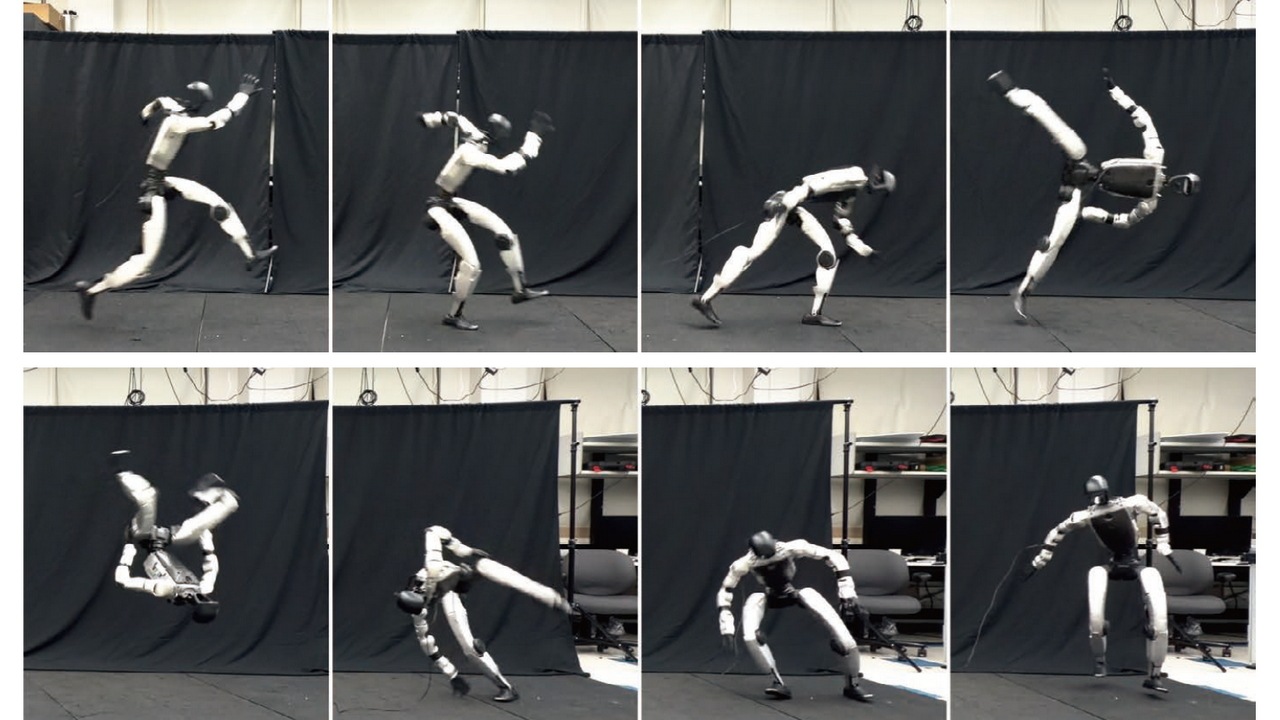
Pieter Abbeel's group at University of California Berkeley published SuperMimic, which replaces the physics si…
Microsoft is investing $2.5 billion in a new organization with about 6,000 FDEs, part of a broader push by maj…

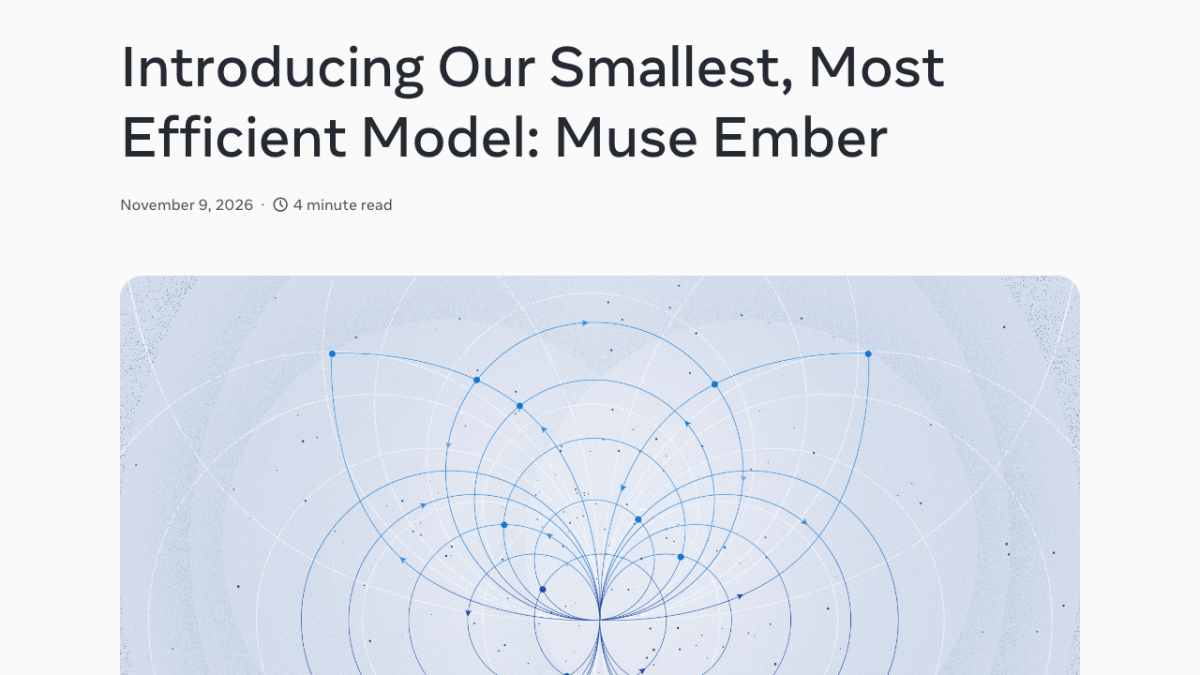
Meta released Muse Ember, its smallest and most efficient AI model, available from April 9 as muse-ember-1.0 o…
Alphabet lost about $500 billion in market cap with shares down about 12%, after capex exceeded $51 billion an…
Bahrain, Canada, Finland, France, Norway and the Netherlands, plus Anthropic, Microsoft, OpenAI, Mistral AI an…

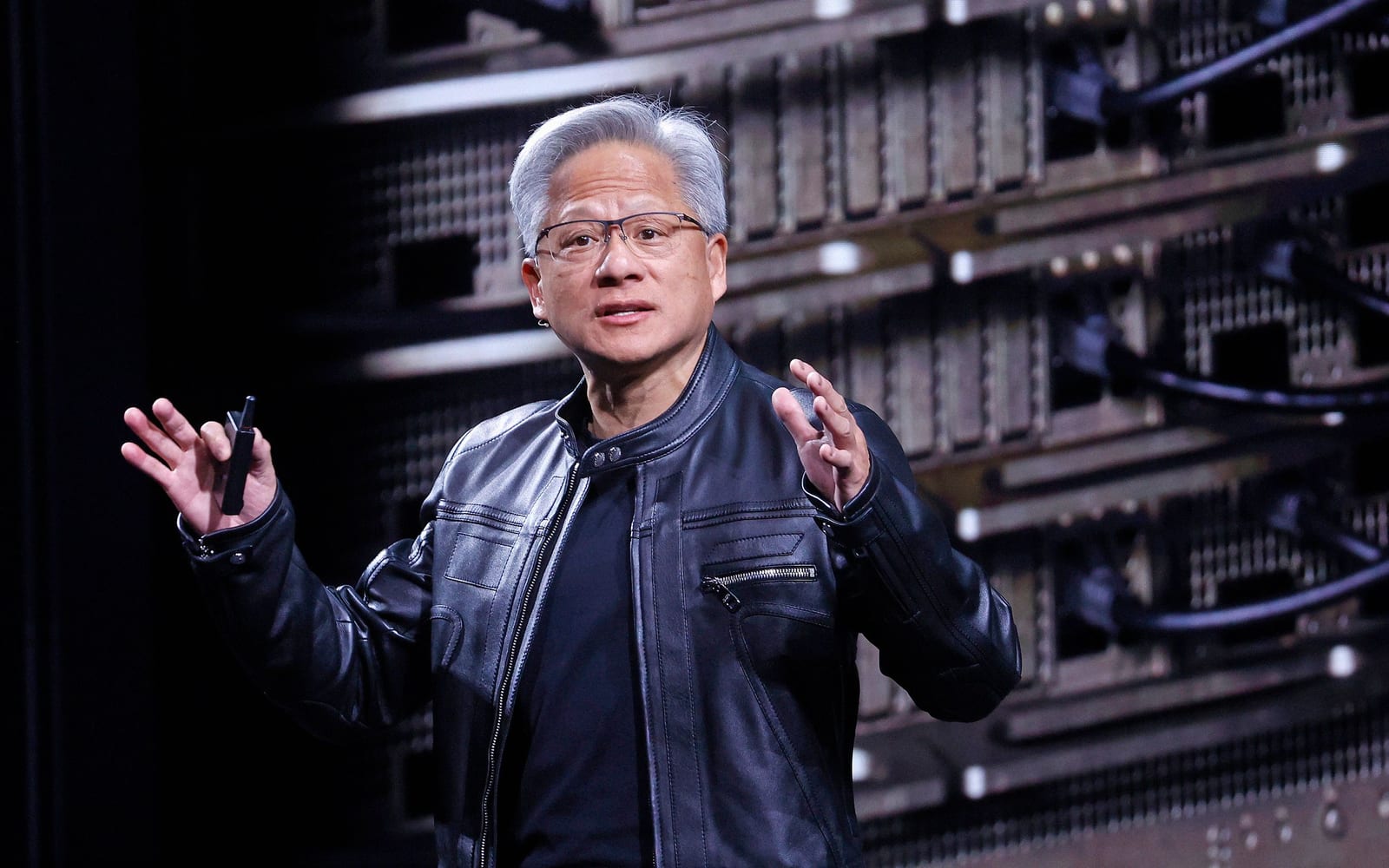
Nvidia's board said it will investigate after CEO Jensen Huang admitted an affair with Alice Huang, an executi…