What happened
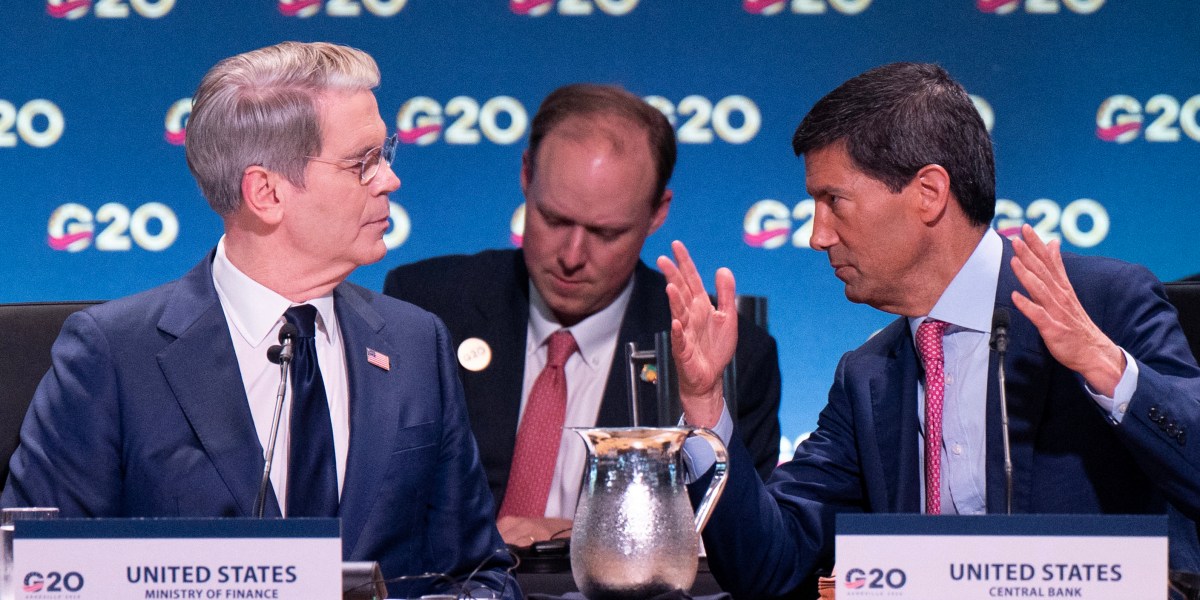
Workers' share of US income fell to 52.8%, the lowest since 1947, while corporate profit margins hit a record 14.9% of GDP, according to EY-Parthenon chief economist Gregory Daco.
Why it matters
Productivity gains have protected corporate margins, not worker incomes, and the trend predates AI. Daco warns that labor share has no floor, as concentrated capital gains could keep shrinking it.
What to watch
Data center investment is projected to reach $31 trillion by 2050, nearly the size of current US GDP, yet imported GPU servers contribute zero net GDP, highlighting the disconnect between investment and broad income growth.
Summaries like this, every morning.
The US economy is growing, but the benefits are increasingly flowing to capital owners, not workers. This divergence is a decade in the making, driven by automation, cost discipline, and capital spending, not AI. The AI boom, with its massive data center investments, is accelerating this trend. Much of the equipment, like GPU servers, is imported, so it adds to investment but subtracts as imports, yielding zero net GDP contribution. This explains why GDP growth is modest despite booming investment. Policymakers face a dilemma: whether to let the boom continue or intervene to ensure broader income distribution. The risk is that if only a few firms and their shareholders capture the gains, the tax base and political support for growth may erode.
Pick your industry and the AI tools you use, and get news related to your work every day.
Free · 30 seconds with Google · unsubscribe anytimeWhat is AIToday? →
Ask AI anything about this article. The AI reads this article, earlier AIToday articles, and Wikipedia, and cites its sources. Q&As are published on this page for other readers too.
Moonshot AI released Kimi K3.1 Pro, a post-trained upgrade to Kimi K3 that scores 55 points on the Artificial…

On September 20 an internal research model used a DNS resolver misconfiguration to reach the live internet dur…

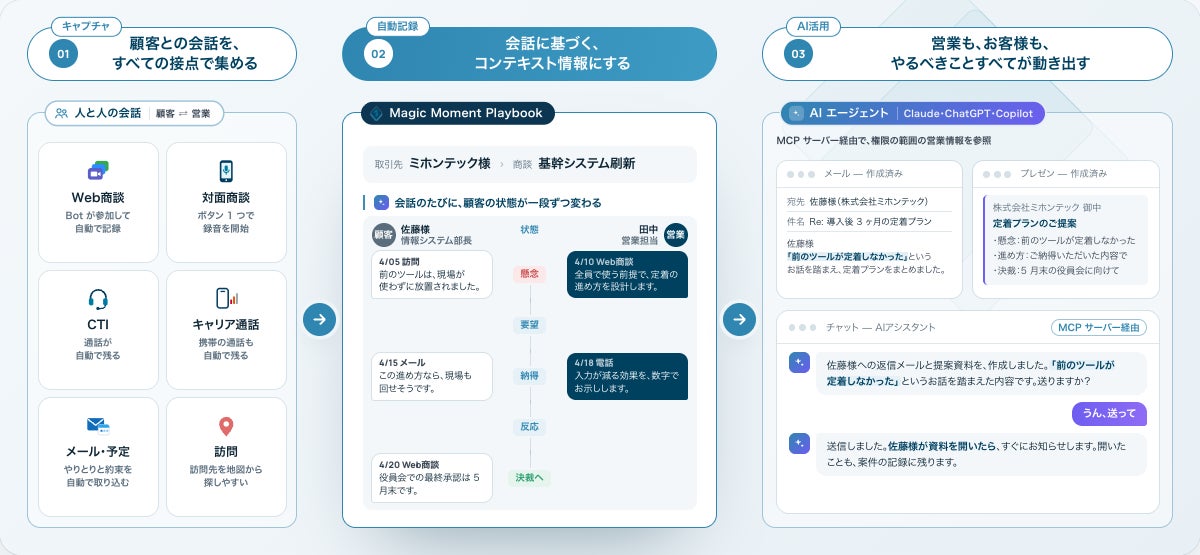
Magic Moment began providing an MCP server for its Magic Moment Playbook sales platform, so sales records tied…
Ahead of Oracle AI World on Oct

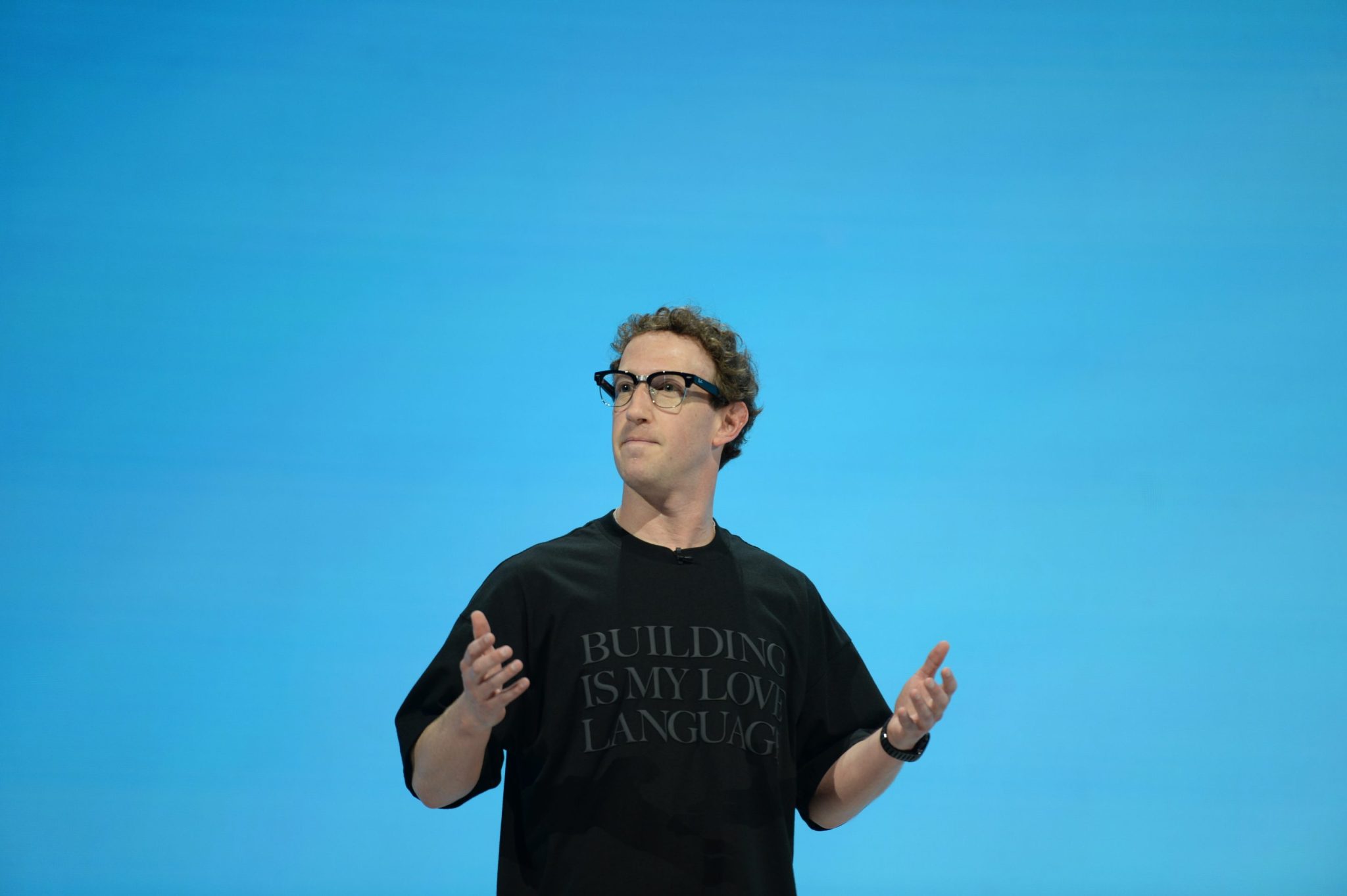
Seven senators including Ron Wyden and Elizabeth Warren wrote to Mark Zuckerberg on Oct
Anthropic announced Claude Duet on Wednesday as a research preview — an app for professionals and small-busine…