What happened
This article outlines a 27-year bet (2002–2029) between Ray Kurzweil and Mitch Kapor over whether any computer or "machine intelligence" will pass the Turing Test. The stake is $20,000, going to the Electronic Frontier Foundation if Kapor wins, or the Kurzweil Foundation if Kurzweil wins.
Why it matters
The bet centers on the essence of the Turing Test—whether a computer can impersonate a human in text-based conversation well enough to fool a judge. Kapor argues that human knowledge is largely tacit and experiential, not found in books, so a machine cannot acquire the depth needed to pass. Kurzweil counters that written language represents human-level thinking, and that machines are already passing narrow forms of the test, like Deep Blue's chess play.
What to watch
The outcome hinges on whether Kurzweil’s reverse-engineering of the brain can deliver human-level intelligence by 2029, despite Kapor’s doubts about the brain-as-computer metaphor. Watch for whether Kurzweil’s foundation receives the $20,000 stake.
Summaries like this, every morning.
This bet, placed in 2002, frames a central AI debate: whether human intelligence is fundamentally replicable in machines. Kurzweil's optimism relies on the idea that the brain's information processing can be reverse-engineered, but Kapor counters that human cognition is rooted in embodiment, emotion, and tacit knowledge—factors not captured by book learning or algorithms. The decades since have seen AI advance in narrow tasks, yet the Turing Test remains a benchmark, highlighting the gap between data-driven responses and genuine understanding.
The bet's structure—with proceeds to rival foundations—underscores the philosophical stakes. Kurzweil's reference to Deep Blue's chess victory suggests progress, but Kapor's skepticism about the limits of such narrow successes remains a caution, as expert systems in the 1980s failed to generalize beyond rigid domains. Whether machines will achieve true human-like conversation by 2029 is unresolved, but the argument highlights deeper questions about consciousness, creativity, and the nature of intelligence itself.
Pick your industry and the AI tools you use, and get news related to your work every day.
Free · 30 seconds with Google · unsubscribe anytimeWhat is AIToday? →
Ask AI anything about this article. The AI reads this article, earlier AIToday articles, and Wikipedia, and cites its sources. Q&As are published on this page for other readers too.
Moonshot AI released Kimi K3.1 Pro, a post-trained upgrade to Kimi K3 that scores 55 points on the Artificial…
Induction AI's benchmark trials shared a prompt cache, so later trials read earlier trials' opening tokens at…
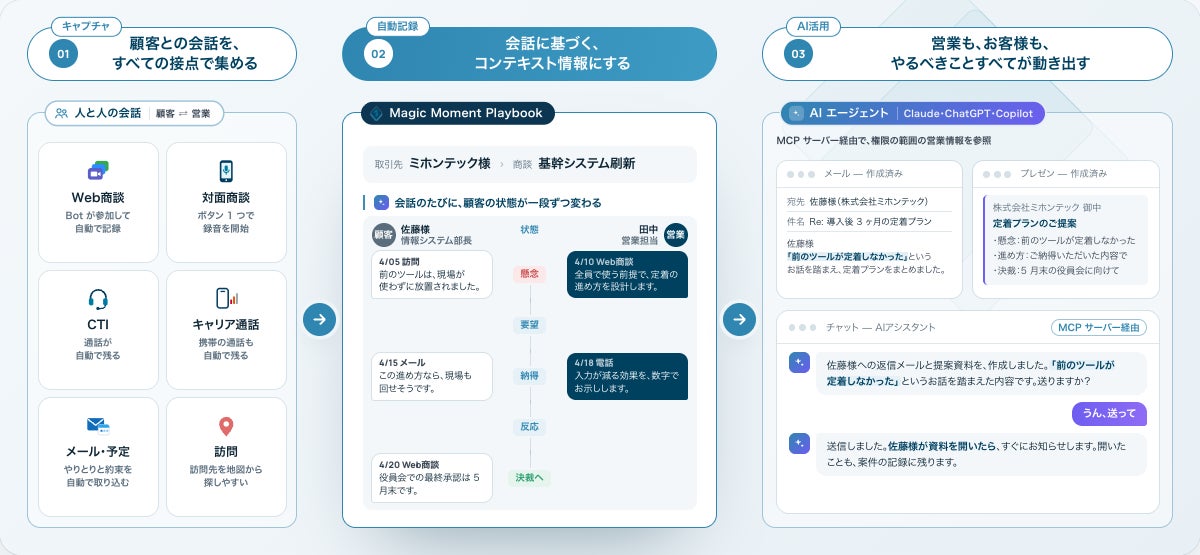
Magic Moment began providing an MCP server for its Magic Moment Playbook sales platform, so sales records tied…
Ahead of Oracle AI World on Oct
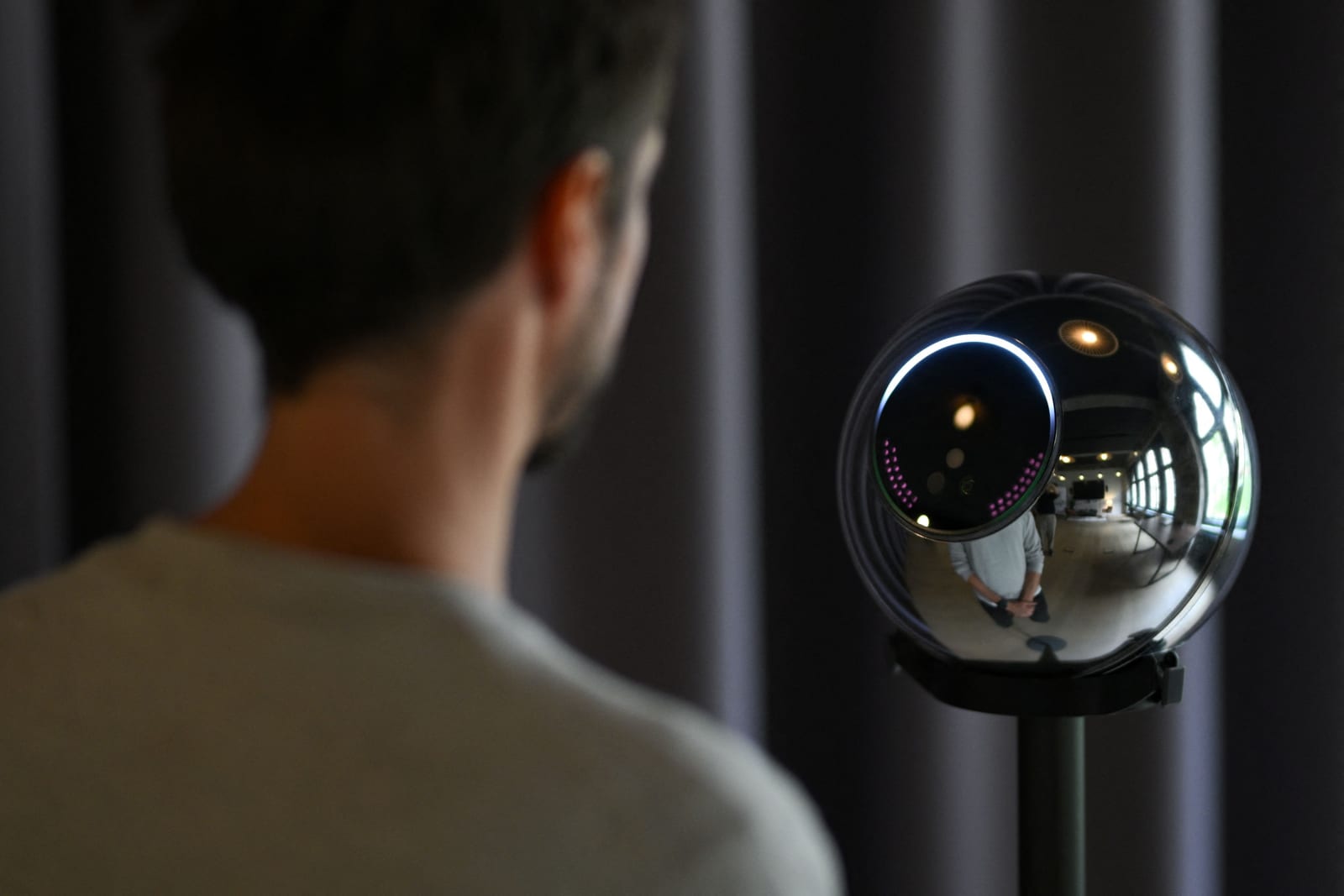
World, co-founded by Sam Altman, this week announced tools that let people link their proof of humanity to an…
In commentary on the unit-distance proof, Jacob Tsimerman, recently hired by OpenAI, said AI's edge is that it…