What happened
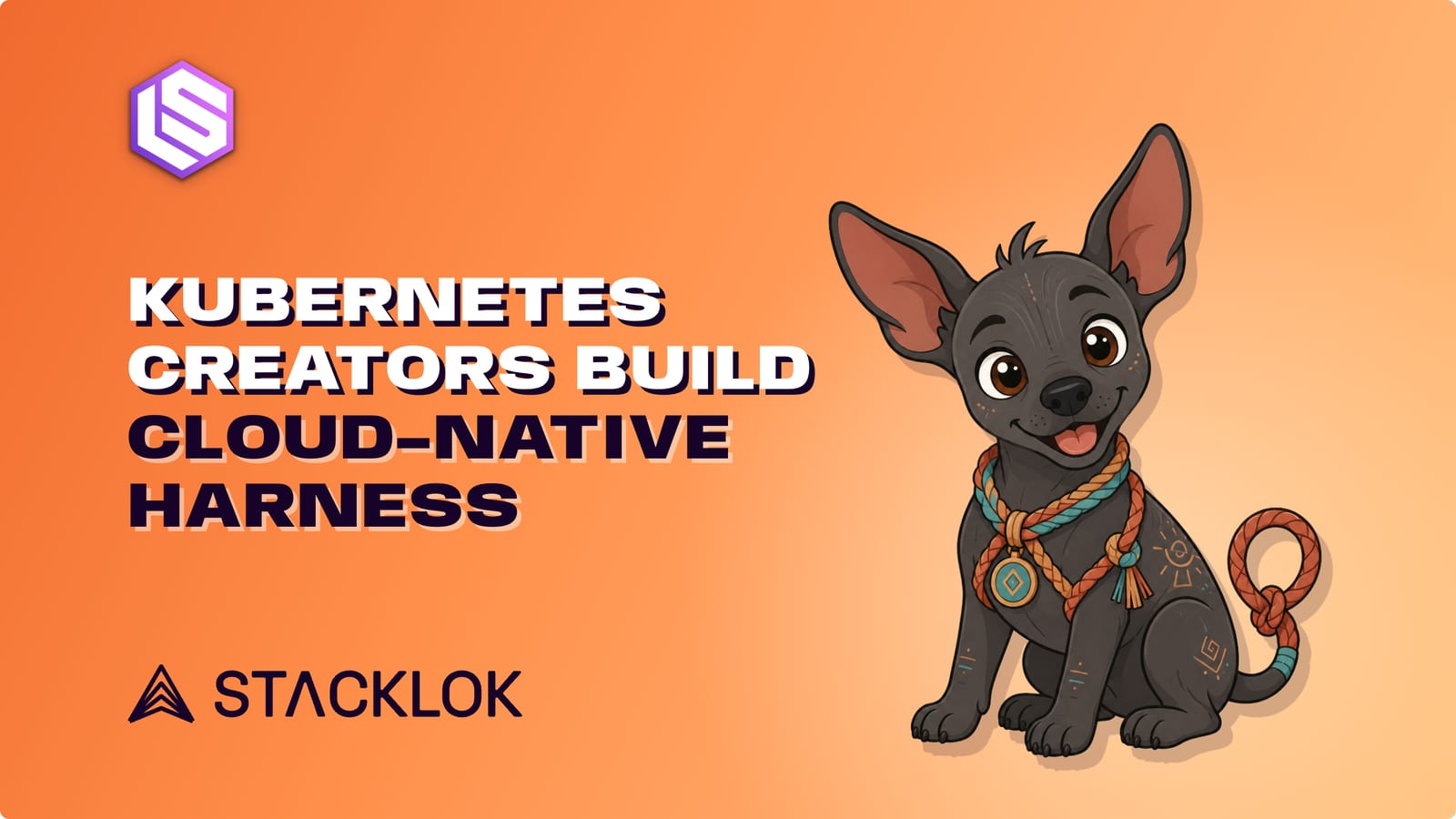
Craig McLuckie and Joe Beda's Stacklok released Mecatl, a cloud-native harness begun in June as an open source GitHub project, keeping the agent loop independent of the client, model provider, state store and execution environment.
Why it matters
Mecatl aims to move the locus of value from the desktop to the cloud, letting enterprises govern agent sessions the way they manage email rather than leaving code and context on individual machines.
What to watch
Beda says the 'lift and shift' approach creates problems around agent lifecycle and quiescing, so the test is whether separating the loop from sensitive operations scales across multiple clusters and clouds.
WHO IT HITSEnterprise platform and infrastructure teams in regulated industries such as banking, semiconductors and telecoms, who need to deploy agentic coding tools centrally rather than manage them per developer laptop.
Summaries like this, in your inbox every morning.
Stacklok's pivot from software supply chain security to Kubernetes-based agentic solutions is led by two people who helped create Kubernetes at Google: Craig McLuckie and Joe Beda. The company raised a $17.5 million Series A back in 2023 from Accel, Madrona and Bain Capital. Its earlier open source product, ToolHive, started as a way to manage MCP servers running in Docker containers on the desktop, then expanded into a Kubernetes-based gateway, registry and operator helper.
Mecatl's design follows the same reasoning behind Kubernetes control loops, which keep applications running, recover from failures and scale when needed. The pair argue that container orchestration in the early 2010s faced similar challenges around reliability and isolation. McLuckie frames the goal as running in a cloud decoupled from the specifics of the cloud provider, echoing what the team did in the Kubernetes era. Beda claims many agent tools were designed for individuals or small startup teams, and McLuckie says most Stacklok customers are banks, semiconductor companies and telcos in relatively regulated industries.
The stakes appear to hinge on whether enterprises will pay for a central control plane rather than accept the harnesses that arrive bundled with frontier lab tools. ToolHive and Mecatl are intended to be independently useful, so the open source projects are easy for a small team to run; Beda says scaling them out to multiple clusters and multiple clouds surfaces new problems. It remains an open question how quickly regulated enterprises move agent workloads onto Kubernetes, and whether Stacklok's commercial spine becomes the standard for doing so.
Pick your industry and the AI tools you use, and get news related to your work every day.
Free · 30 seconds with Google · unsubscribe anytimeWhat is AIToday? →
Ask AI anything about this article. The AI reads this article, earlier AIToday articles, and Wikipedia, and cites its sources. Q&As are published on this page for other readers too.
SOMPO Holdings set AI risk governance in March 2025, requiring risk assessment and model output testing for gr…

Canon began offering a new support service for home inkjet printers that uses a monitoring function and genera…

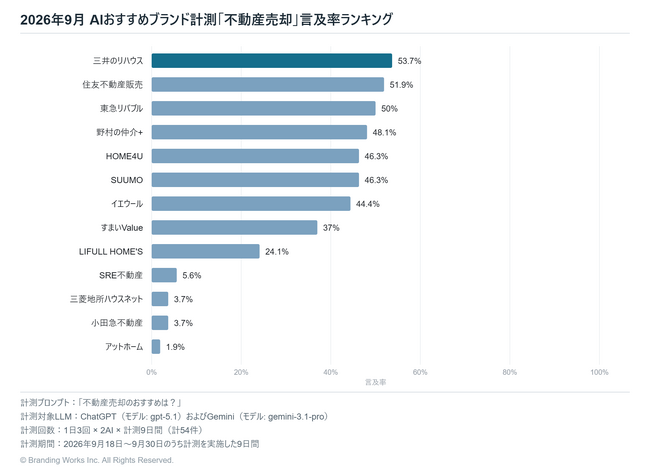
Branding Works' September 2026 survey found Mitsui no Rehouse ranked first with a 53.7% mention rate, followed…
Exa Enterprise AI began offering "Exabase AI for JA" today, with more than 30 AI agents built for the work of…

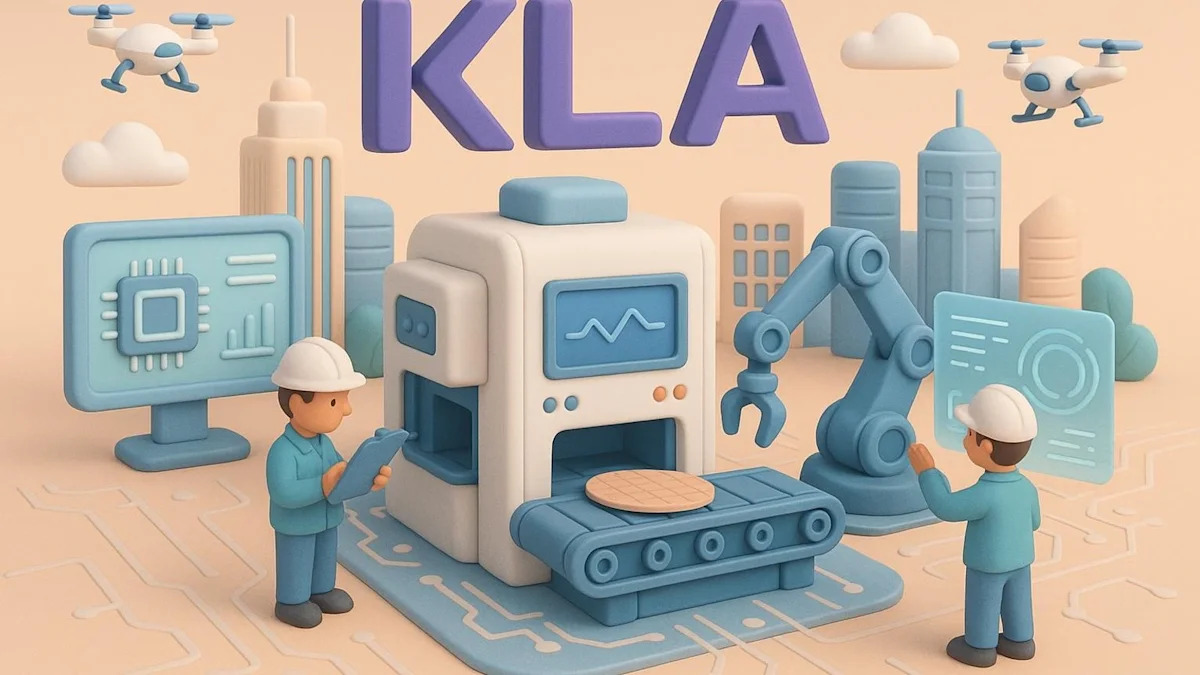
Analysts upgraded KLA to a Zacks Rank #2 and raised consensus earnings estimates by roughly 9%, highlighting i…
Dell introduced the XPS 16 Creator Edition and Creator Edition Desktop, both powered by NVIDIA RTX Spark, alon…