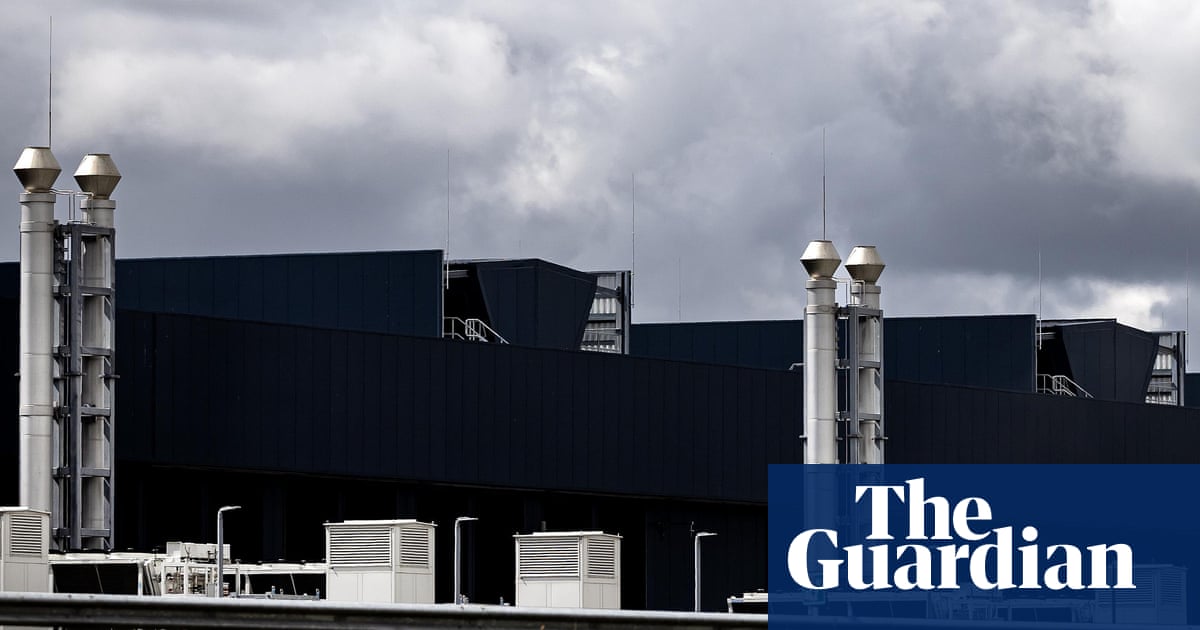
Microsoft has only 2.2m AI chips installed globally, according to internal documents reviewed by the Guardian, far below the 6.4m chips experts estimate it should have based on publicly claimed power capacity and $280bn in spending since 2022.
The shortfall suggests major datacentres are not yet online, lack chips, or have hardware in inventory waiting for adequate electrical power—a bottleneck CEO Satya Nadella acknowledged.
The discrepancy highlights how little transparency exists in the AI supply chain: Nvidia does not disclose how many chips it sells or to whom, and major tech buyers do not reveal their holdings, making it difficult to assess whether the AI boom is real.
What happened
The Guardian found that Microsoft has 2.2m AI chips installed in its datacentres globally, far below what experts calculated it should have based on its public statements about power capacity and spending. The company targeted 1.8m chips by end of 2024 and claimed to have added 5GW of datacentre capacity over two years, yet internal documents and sustainability reports suggest actual deployment lags significantly behind.
Why it matters
Microsoft has invested roughly $280bn in AI infrastructure expansion since 2022, with CEO Satya Nadella pledging to double the global datacentre footprint by mid-2027. The gap between announced capacity and actual chips installed suggests either major datacentres are not yet operational, lack the hardware needed, or chips are sitting in inventory waiting for adequate power infrastructure—a constraint Nadella himself identified. This opacity matters because Nvidia does not disclose chip sales volumes or customers, so without verified numbers from large buyers like Microsoft, it is difficult for anyone to assess whether the AI boom is actually occurring at the pace claimed.
What to watch
Microsoft disputed the Guardian's calculations without specifying which figures were wrong. The Fairwater project in Wisconsin and Georgia, billed as Microsoft's largest US AI development, was described as "going live" in April but satellite imagery and later admissions suggest only part of it is operational. Internal documents also show Microsoft has less than half the Blackwell chips (Nvidia's newest model) one would expect, given Nvidia's March statement that its top four customers ordered 3.6m Blackwell units combined.
Ask the AI about this article →
The discrepancy between Microsoft's public statements and its actual deployed AI chips reveals a fundamental challenge in the current AI boom: the gap between announcement and execution. Microsoft claimed it would add 5GW of AI datacentre capacity over two years, which should translate to approximately 6.4m graphics processing units (GPUs) using standard power-efficiency calculations. Yet internal documents suggest only 2.2m chips are installed, and even lower estimates from sustainability reports point to as little as 1.2GW of actual capacity. This gap appears to stem from two interconnected bottlenecks: the electrical infrastructure required to power datacentres, and the physical completion and activation of new facilities. Nadella's own podcast comment—that he has chips "sitting in inventory" unable to be plugged in due to lack of power and "warm shells" (operational datacentre space)—acknowledges this reality. The Fairwater project in Wisconsin exemplifies the problem: initially announced as a multi-gigawatt, multibillion-dollar investment, only 300MW of it has been built three years later, despite Nadella's April claim it was "going live."
The opacity around chip distribution compounds this story's significance. Nvidia, which manufactures the specialized AI chips central to all major datacentre buildouts, does not publicly disclose how many chips it sells or to which customers. In March, Nvidia's CEO Jensen Huang announced that its top four customers (Amazon, Oracle, Microsoft, and Google) had orders totaling 3.6m Blackwell units, but provided no breakdown. Microsoft held less than half the Blackwell allocation one would expect if it remained a top customer, yet no one outside Microsoft and Nvidia knows precisely why. This information vacuum means the investment community, regulators, and analysts cannot independently verify whether the $280bn Microsoft has spent and the trillions other tech giants are committing actually translate into operational AI capacity or remain largely committed capital awaiting infrastructure maturation.
For example, today's edition would include:
AI-summarized, only the topics you pick — one digest a day via Email, Slack, or Discord.
Free · takes 30 seconds · unsubscribe anytimeWhat is AIToday? →
Ask AI anything about this article. Q&As are published on this page for other readers too.
Aranya Inc., a startup founded last year, launched today with $11 million in funding

CBTS Technology Solutions LLC launched Forge Agents, a platform that turns a plain-language job description in…

Phonely Ltd. launched Alma, a large language AI model built for voice agents and trained on over 10 million re…

Imec CEO Patrick Vandenameele said at SEMICON Taiwan 2026 that the Belgian research center is broadening its c…
Alphabet's AI Overviews now reach over 2.5 billion monthly users through Google Search, and its ad business ge…

Sarah O’Connor's book 'We Are Not Machines' explores how mechanization and AI have transformed the workforce…