What happened
MCP now defines a standard way to discover and load Agent Skills from MCP servers, exposed as resources.
Why it matters
Agents can load only the skill needed for a task, cutting the context window pressure of upfront workflow instructions, with reusable workflows traveling with the server.
What to watch
The benefit hinges on whether clients read skills on demand rather than caching everything; the body names no rollout date or adoption figure.
WHO IT HITSTeams building AI agents on MCP servers can now ship workflow know-how alongside the tools they already expose, rather than maintaining separate docs, repos, or prompt files. The gain depends on client implementations that read skills on demand, the body suggests.
Summaries like this, in your inbox every morning.
The MCP addition sits on top of a connection layer that already standardized how agents reach tools, resources, and external systems. What was missing was a standard place to put the playbook: the reusable knowledge of how a workflow should be performed. Previously, that knowledge often lived separately in docs, repos, prompt files, or custom integrations, which meant it had to be maintained and versioned apart from the server that provided the capability.
Serving skills through MCP's Resources primitive changes that distribution model. Because SKILL.md, references, scripts, and examples are exposed as resources, an agent can first discover what skills exist, inspect their metadata, and then load only the one required for the current task. The article frames this as context window management: instead of loading every workflow instruction upfront, the agent pays only for what it uses, and reusable workflows travel with the server rather than with each client.
How much this matters in practice hinges on client behavior. On-demand loading only saves context if clients actually defer reading skills instead of prefetching them, and the body offers no adoption or rollout figures. For teams already running MCP servers, the practical question is whether their client of choice supports this discovery-and-load flow; if it does, workflow knowledge can be versioned and shipped alongside the tools themselves, and if it does not, the older split between capability and playbook is likely to persist.
For example, today's edition would include:
AI-summarized, only the topics you pick — one digest a day via Email, Slack, or Discord.
Free · 30 seconds with Google · unsubscribe anytimeWhat is AIToday? →
Ask AI anything about this article. Q&As are published on this page for other readers too.
OpenAI launched Astra for Law, wrapping GPT-6 Astra in a legal search index covering US case law, statutes, re…

Anthropic detailed three metrics — AI-led R&D, oversight of autonomous AI agents, and compute allocation — dis…

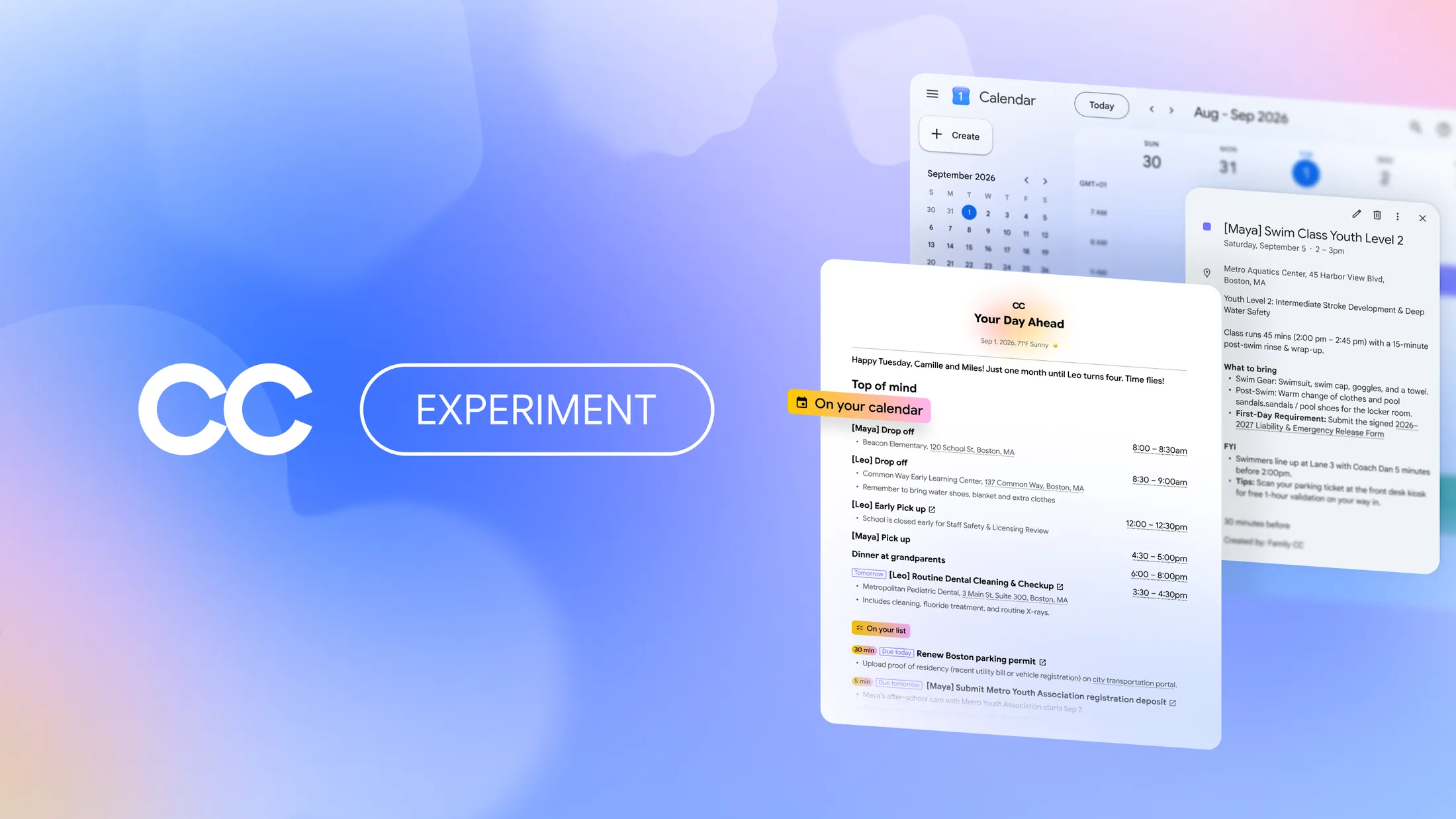
Google Labs opened its experimental AI agent CC to households of up to six people
Shiseido Japan's AI agent for ingredient discovery cut search time by 95% and increased proposed ingredient ca…

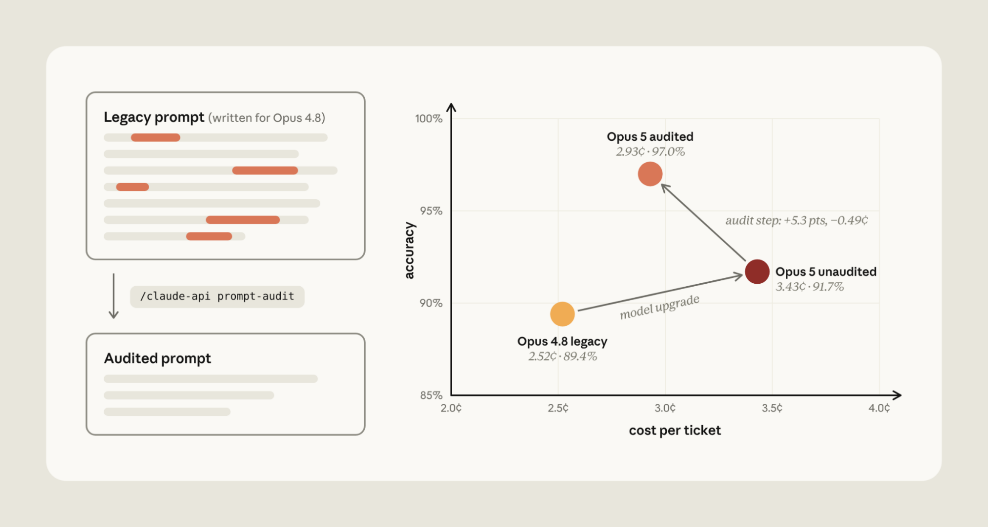
Anthropic published a blog post on September 8, 2026 (US time), outlining six common prompting anti-patterns t…
Microsoft is phasing in a consolidation of its Microsoft 365 Copilot app and experience into Microsoft Copilot…