What happened
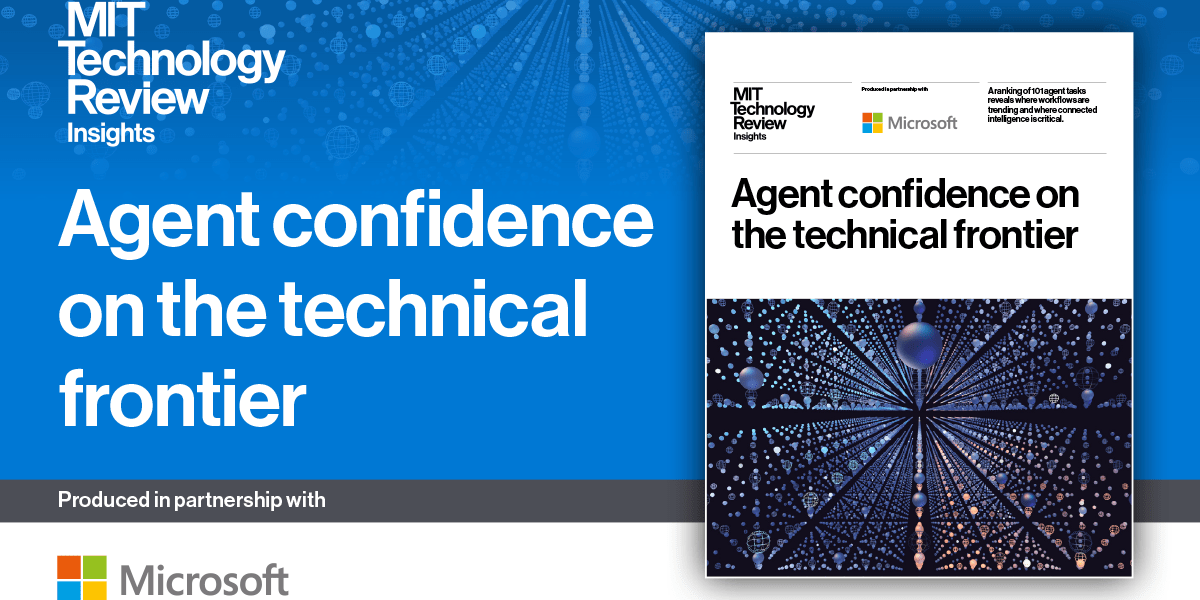
A survey of 300 global technology experts ranks confidence in agentic AI (self-directed AI systems) across 101 tasks in AI, data, and cloud workflows. Tech teams report highest confidence in measurable, structured tasks like generating reports, writing boilerplate code, data quality monitoring, and anomaly detection, with growing confidence in areas requiring complex judgment and multistep reasoning.
Why it matters
As organizations face IT infrastructure costs projected to grow two to three times by 2030 even with flat budgets, agentic AI offers a way to automate and coordinate entire workflows. However, confidence drops significantly when agents lack business context—the real-world information needed to make sound decisions. This suggests the breakthrough potential of agents depends on enterprises getting better at connecting their data and business knowledge into agent systems quickly and reliably.
What to watch
Data workflows emerged as the breakthrough domain where tech teams trust agents most, particularly when domain experts provide context at the point of data generation. Gartner is calling 2026 an "inflection year" for organizations to align their AI projects with strategic business objectives, signaling that measurable ROI pressure is driving agent adoption in tech functions.
Summaries like this, in your inbox every morning.
Pick your industry and the AI tools you use, and get news related to your work every day.
Free · 30 seconds with Google · unsubscribe anytimeWhat is AIToday? →
Ask AI anything about this article. The AI reads this article, earlier AIToday articles, and Wikipedia, and cites its sources. Q&As are published on this page for other readers too.
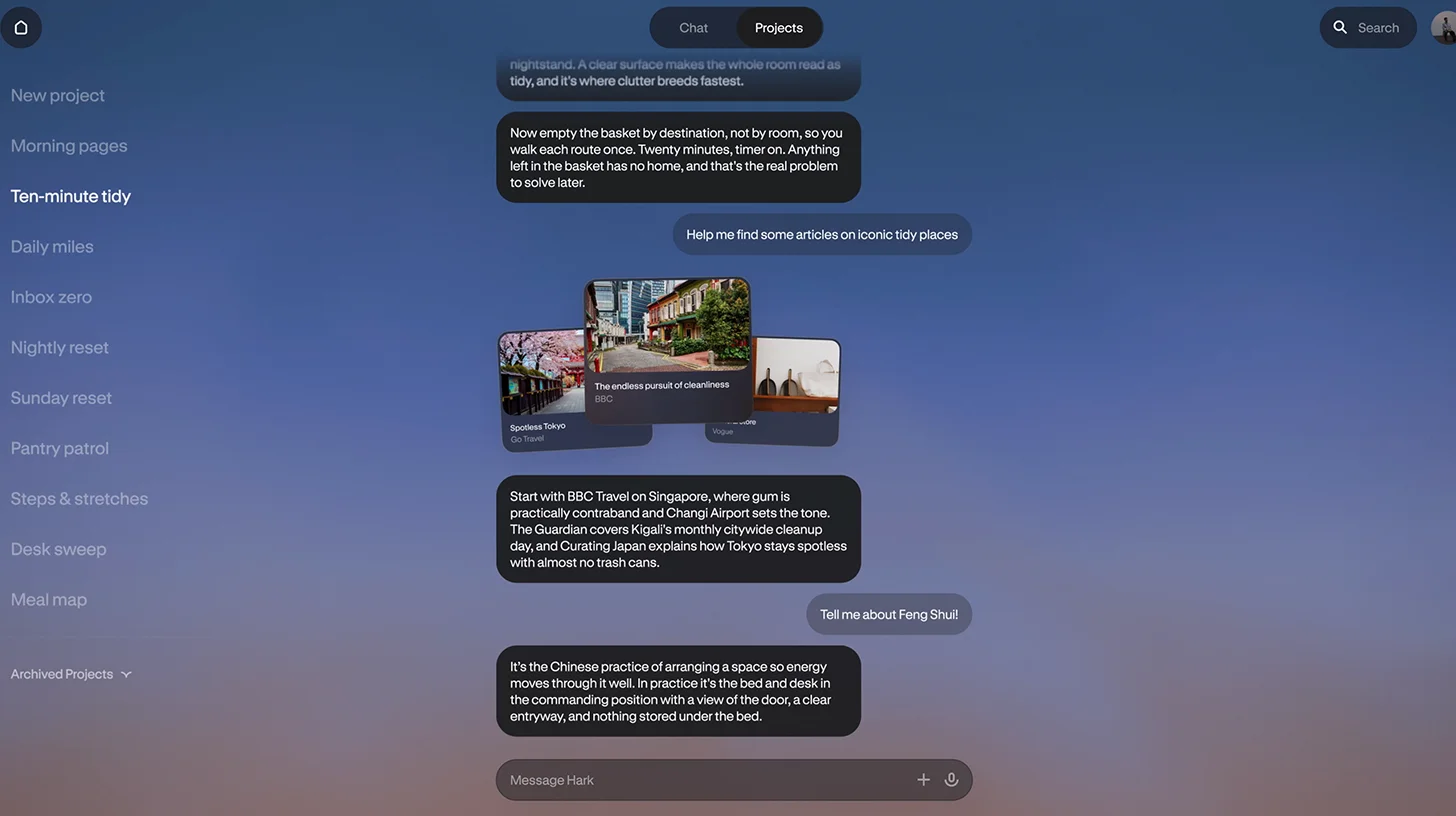
Hark, founded by Figure AI's Brett Adcock, launched Hark Pro on October 6 for the web, iOS and Android, with f…
Anthropic announced on Oct

Instinct, an AI agent that works only through text messages, was valued at $10 billion in late September, even…

Postman and AWS described the architecture behind Agent Mode, which runs on Amazon Bedrock and serves 40 milli…
OpenAI's Astra, Sol, and Luna models are now generally available on Amazon Bedrock, and Amazon Bedrock Managed…
Adviser Itay Sagie points to Schneider Electric's roughly $22.6 billion equity deal for PTC, the Synopsys–Open…