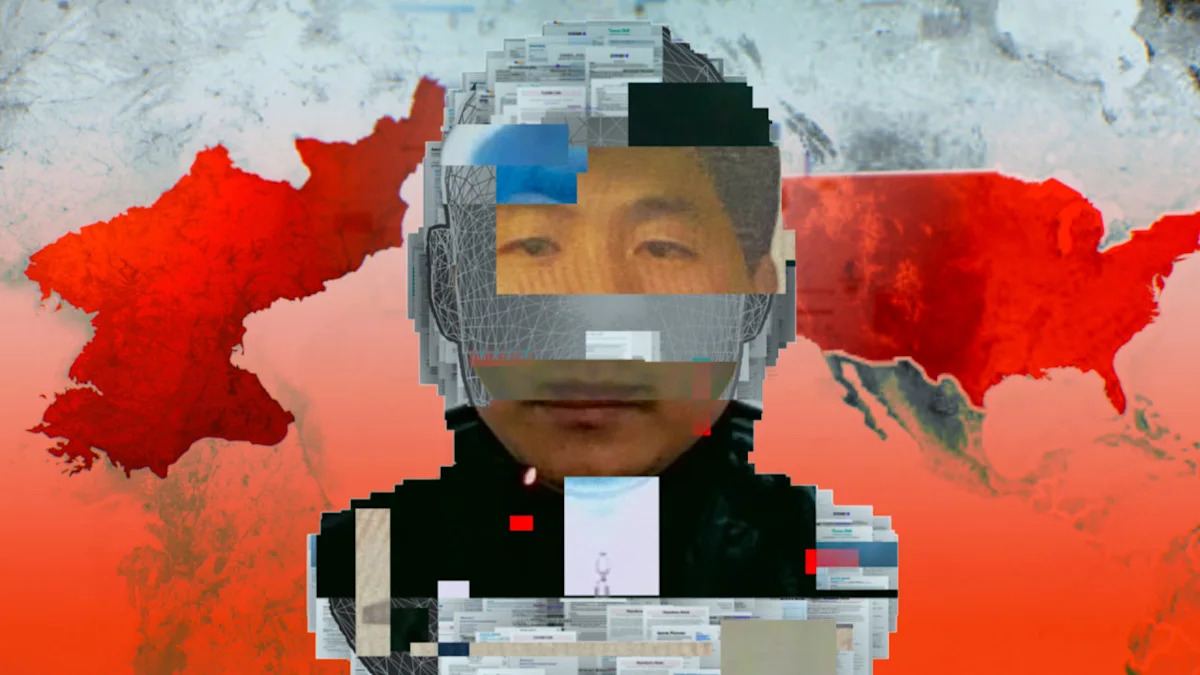
A Wall Street Journal investigation has uncovered that North Korean operatives are infiltrating U.S. companies by using stolen identities, AI tools, and American accomplices to secure employment.
One team managed to penetrate eight companies in just a few months, with the goal of funneling millions of dollars back to the North Korean regime.
This represents a significant security and economic threat to American businesses and national interests.
What happened
A Wall Street Journal yearlong investigation found that North Korean operatives are using stolen identities, AI tools, and American accomplices to land jobs at U.S. companies and funnel millions back to the regime. One team infiltrated eight companies in just a few months.
Why it matters
This represents a direct threat to U.S. corporate security and national interests. North Korean operatives embedded in American tech and finance firms gain access to sensitive systems, intellectual property, and financial infrastructure while generating revenue streams for a sanctioned regime.
What to watch
The investigation documents an operational method combining identity theft, AI impersonation, and insider recruitment—suggesting this is an organized, scalable campaign rather than isolated incidents. Companies and government agencies may need to strengthen identity verification and employment screening processes.
The Wall Street Journal's yearlong investigation has exposed a sophisticated campaign in which North Korean operatives are infiltrating American companies to steal money and potentially sensitive information. The operatives employ a multi-layered approach: they use stolen identities to create fraudulent job applications and credentials, deploy AI tools to strengthen their impersonation and communication, and recruit American accomplices to facilitate placement and ongoing operations within target firms. According to the findings, one team successfully infiltrated eight U.S. companies within just a few months, demonstrating both the efficiency and scalability of the operation. The ultimate objective is to funnel millions of dollars back to the North Korean regime, transforming American payroll systems into a revenue stream for a sanctioned government. This approach bypasses traditional cybersecurity defenses by embedding operatives directly into the workforce, granting them legitimate access to company networks, financial systems, and proprietary information. The investigation suggests this is not an ad-hoc effort but rather an organized, repeatable campaign that exploits gaps in identity verification, background checking, and employee onboarding procedures at U.S. corporations.
The Wall Street Journal's yearlong investigation reveals a coordinated campaign by North Korean operatives to penetrate American corporate infrastructure through employment fraud. Rather than relying solely on traditional hacking or espionage, this operation combines identity theft, AI-powered impersonation, and recruitment of American collaborators—a hybrid approach that exploits both technological and human vulnerabilities in hiring processes. The ability of a single team to infiltrate eight companies in a matter of months suggests the operation is systematic and scalable, not a collection of opportunistic incidents. The goal of funneling millions back to the North Korean regime indicates this is both a revenue-generation mechanism and a strategic intelligence-gathering effort targeting U.S. technology and financial sectors.
AI-summarized, only the topics you pick — one digest a day via Email, Slack, or Discord.
Free · takes 30 seconds · unsubscribe anytime
Ask AI anything about this article. Q&As are published on this page for other readers too.
Designers Isaque Seneda and Gabriel Abrucio created ShieldFont, a font that uses ligatures to replace common w…

Attackers compromised LiteLLM, an open source AI development tool, and extracted terabytes of credentials—incl…

Twitch announced today that users can now opt out of allowing Amazon to use their streams, VODs, clips, chats…

The Trump administration has developed an AI framework requiring federal safety testing of the most powerful U…

Anthropic added invisible watermarks to Claude's outputs to comply with the EU AI Act's requirement that AI-ge…

Michael Burry, the investor famous for The Big Short, added to his short positions in Nvidia, Palantir, Oracle…

The AI news that matters, in one minute each morning.
Sign up free