What happened
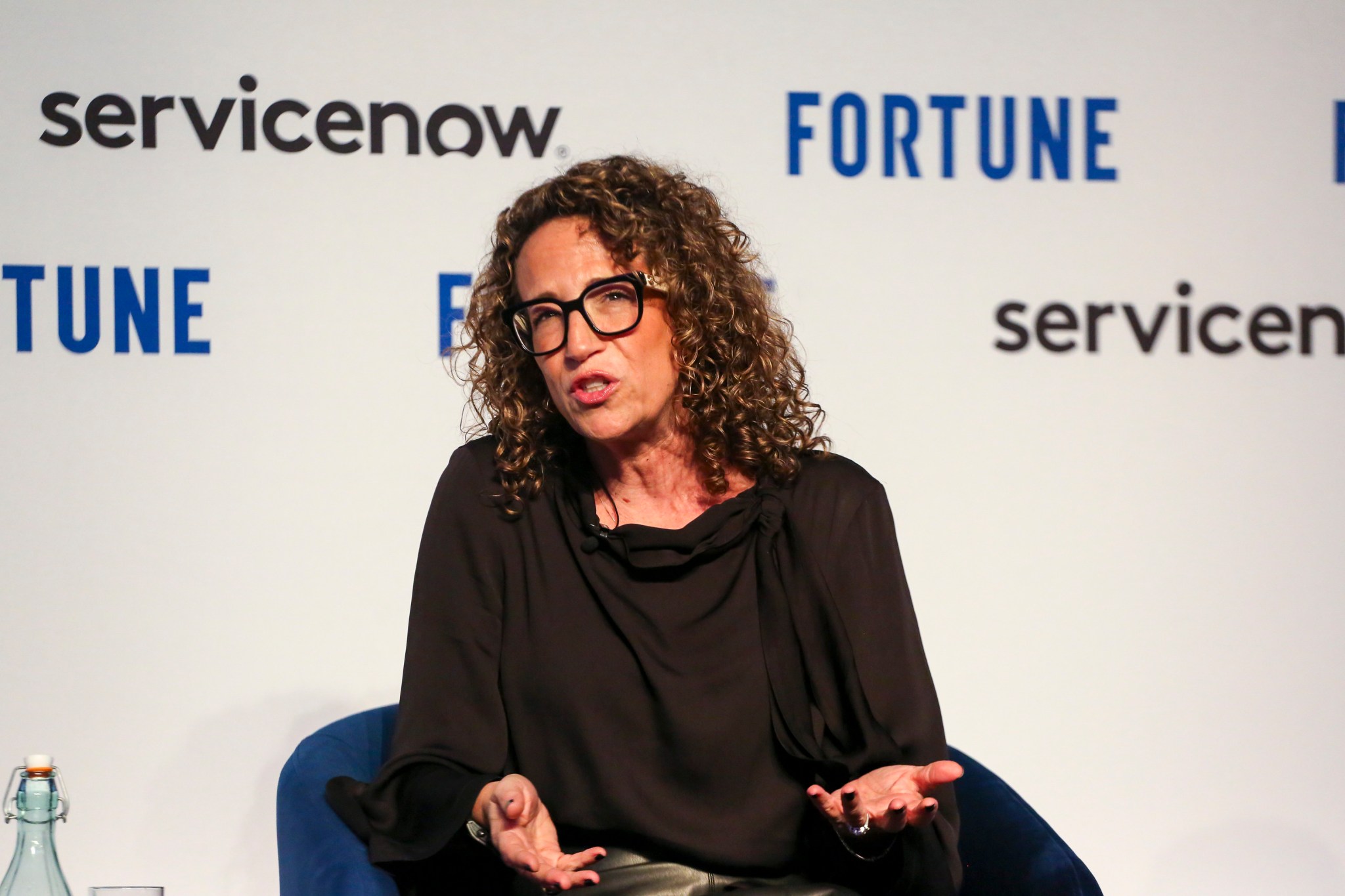
Amy Webb of Future Today Strategy Group told the Fortune AIQ Summit that Fortune 500 firms send enormous capital into AI pilots with no strategy, creating orphaned projects.
Why it matters
Webb sees a form of learned helplessness in leaders, likening it to taxi drivers dependent on navigation tools, which suggests budgets may not produce company-wide gains.
What to watch
Webb said she hasn't seen large companies build the flexible mechanisms she advises; watch whether boards and risk officers who lack AI understanding take on liability.
WHO IT HITSCorporate strategy and IT leaders at large firms, plus security and risk officers who approve or block AI pilots, face pressure when projects are funded without a plan. Webb's critique suggests these teams may bear the cost of orphaned work and employee-built shadow tools.
Summaries like this, every morning.
Webb's remarks at the Fortune AIQ Summit came during a panel with Fortune AI editor Jeremy Kahn, where she argued that the corporate AI race is not new. She said artificial intelligence didn't just show up a couple of years ago, yet many Fortune 500 companies remain late to the party. Her concern is not the technology itself but the absence of planning around it, which she said leads to pilots that never go anywhere and to employees frustrated enough to build tools on their own.
The contrast with Runway, as described by its chief operating officer Michelle Kwon, illustrates what Webb considers a clearer vision. Runway's staff all write code, and employees have built about 215 apps for an internal app store since earlier this year. One worker built a new ad product in a handful of weeks, and it raised ad output by more than 1,000% from a very small base. Kwon also warned that using AI is not a proxy for productivity, pointing to unhelpful outputs like a 100-slide deck.
The stakes of Webb's critique appear to hinge on whether large companies can build flexible mechanisms before more pilots become orphaned. If they don't, the money spent may produce isolated productivity gains rather than company-wide results, and the risk of liability may grow as boards and risk officers grapple with tools they don't fully understand.
Pick your industry and the AI tools you use, and get news related to your work every day.
Free · 30 seconds with Google · unsubscribe anytimeWhat is AIToday? →
Ask AI anything about this article. The AI reads this article, earlier AIToday articles, and Wikipedia, and cites its sources. Q&As are published on this page for other readers too.
Magic Moment began providing an MCP server for its Magic Moment Playbook sales platform, so sales records tied…
Ahead of Oracle AI World on Oct
Seven senators including Ron Wyden and Elizabeth Warren wrote to Mark Zuckerberg on Oct
Anthropic announced Claude Duet on Wednesday as a research preview — an app for professionals and small-busine…

AWS detailed a Multi-Turn Reinforcement Learning pipeline on Amazon SageMaker AI that took gpt-oss-20b from a…
Bayer Crop Science built the Agentic Decision Engine (ADE), a multi-agent natural language interface over its…