What happened
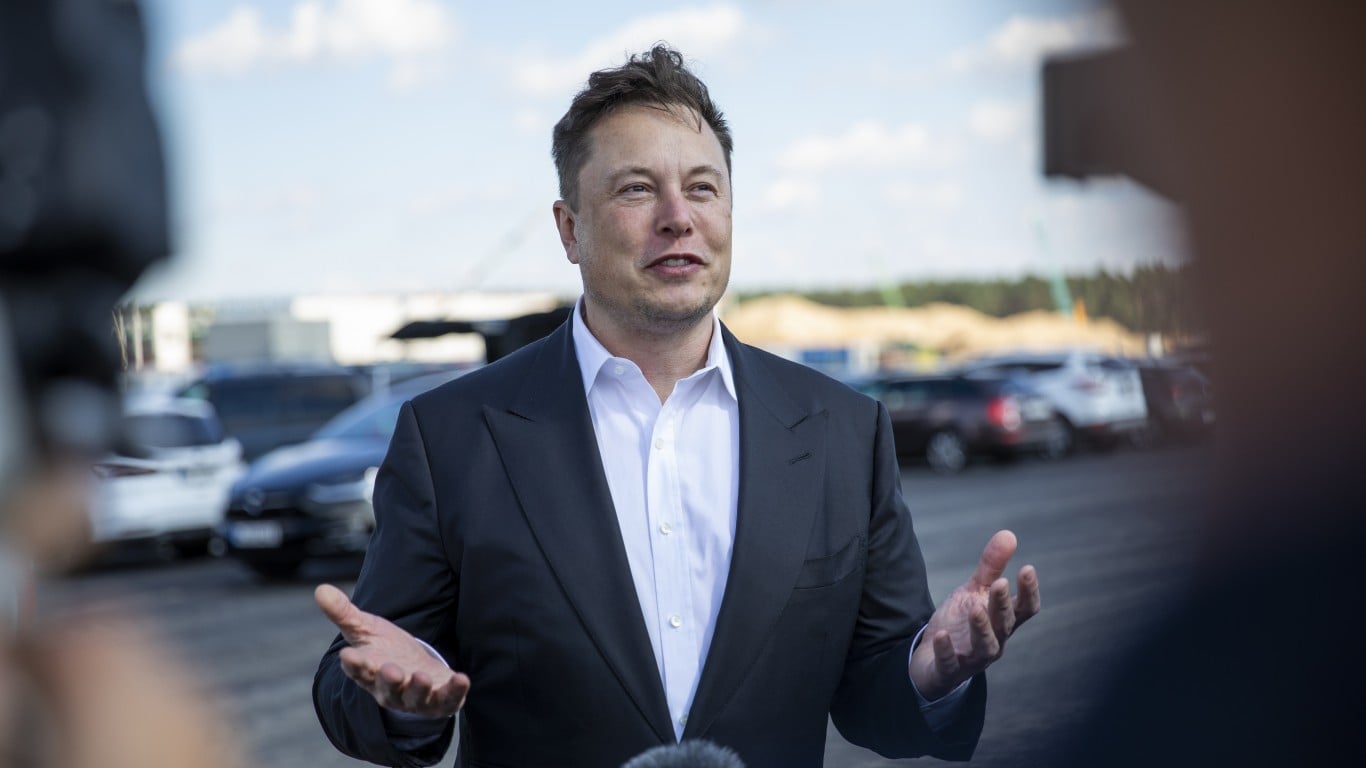
An analysis suggests Musk could target trillion-dollar acquisitions following SpaceX's public offering. Intel, with $52.9 billion(約8.5兆円) in annual revenue and established semiconductor fabrication facilities, is cited as a logical first target because building a state-of-the-art chip factory typically requires four to six years and tens of billions of dollars. Tesla, with $94.8 billion(約15兆円) in annual revenue and operations spanning energy storage, robotics, and autonomous-driving AI, is presented as a second candidate.
Why it matters
Musk has previously consolidated his companies—Twitter was absorbed into X, and xAI merged with X to combine AI models and computing infrastructure. He has stated that chip production is an "existential struggle" and that his timelines do not extend five years out. Acquiring existing manufacturing expertise or integrating overlapping AI and robotics capabilities could be faster than building from scratch, and would give SpaceX immediate access to resources both companies already depend on.
What to watch
Regulatory obstacles would be "enormous," according to the analysis. The pattern of consolidation across Musk's ventures—Tesla, SpaceX, Neuralink, X, and xAI—suggests the strategy may continue, but whether either deal actually happens remains uncertain.
Summaries like this, in your inbox every morning.
Pick your industry and the AI tools you use, and get news related to your work every day.
Free · 30 seconds with Google · unsubscribe anytimeWhat is AIToday? →
Ask AI anything about this article. The AI reads this article, earlier AIToday articles, and Wikipedia, and cites its sources. Q&As are published on this page for other readers too.
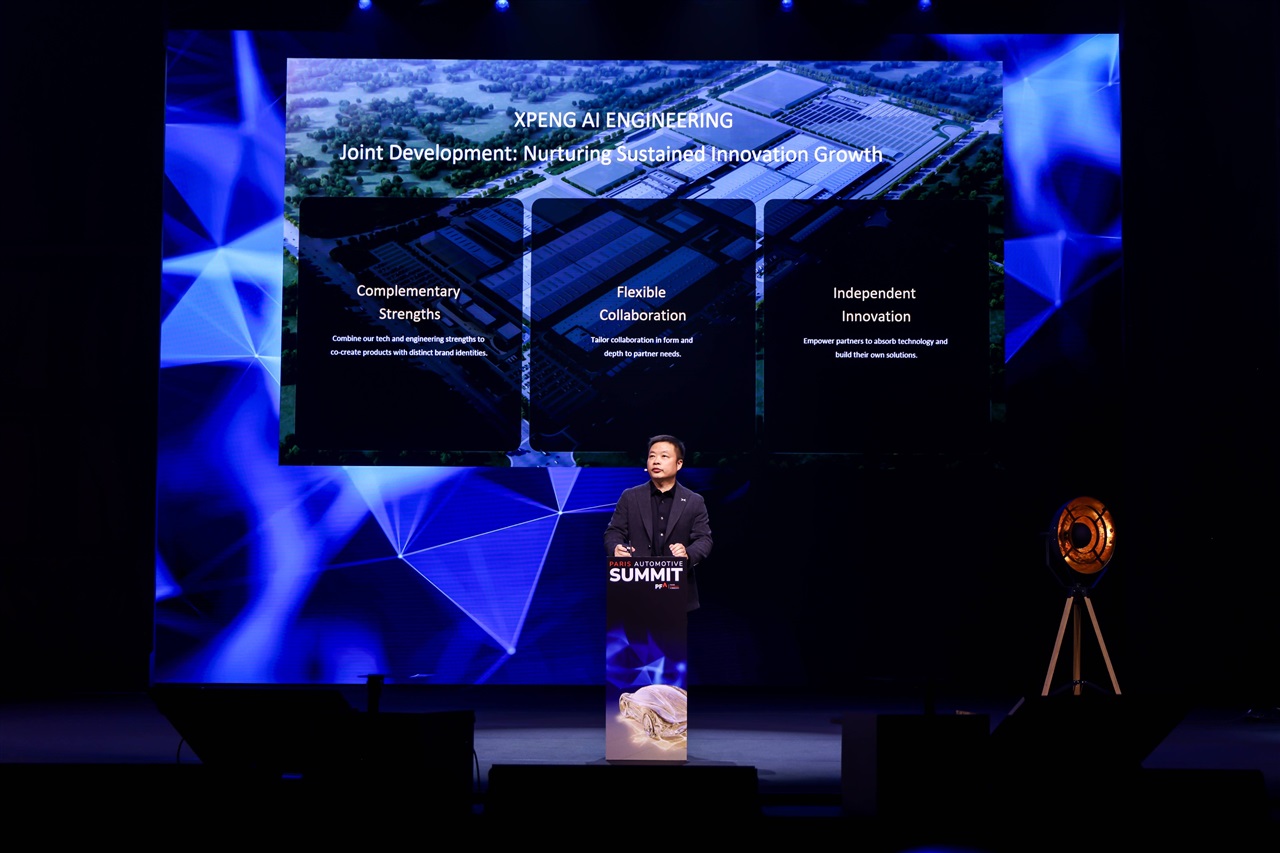
XPeng appeared at the Paris Automotive Summit, presenting not only automotive expertise but a broader technolo…
Itaú's ia.i, a text- and voice-activated assistant spanning accounts, credit, cards and insurance, reached abo…
Amazon introduced Bee Frontier, a wearable personal AI, for $74.99 in Onyx, Lavender and Sage, and Bee Eclipse…

Wall Street ended down sharply, with worries about the AI trade and high oil prices weighing on the market
Citi has become the latest US bank to restrict AI agents from accessing accounts, per the Financial Times

Dell says its AI Data Platform uses a four-engine architecture and a Unified Semantic Layer to connect siloed…