What happened
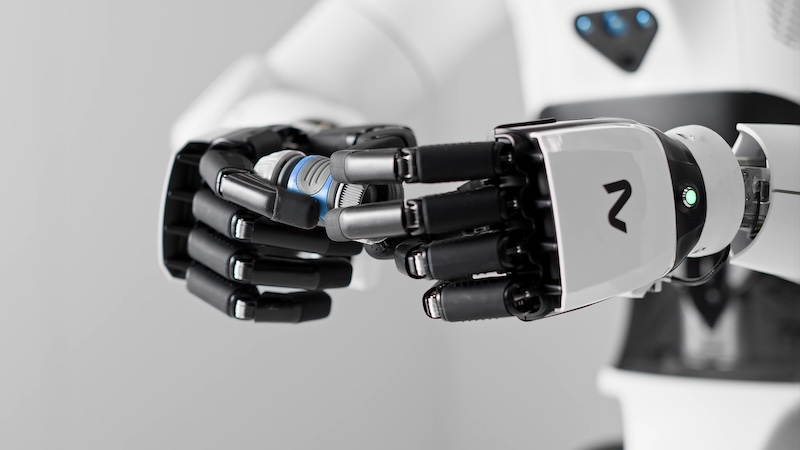
Neura Robotics launched Neuron AI, a multimodal foundation model for physical AI that combines 3D vision, touch, audio, robot state and language with memory, developed and trained in-house in Metzingen, Germany.
Why it matters
Neuron AI lets robots act on touch, sound and force that cameras cannot capture, and retain context when objects disappear from view.
What to watch
At Nvidia GTC Berlin 2026, humanoid robot 4NE1 will demonstrate an eleven-minute laundry-handling sequence from October 20 to 22.
WHO IT HITSIndustrial robotics teams evaluating physical AI for tasks vision alone cannot handle, such as welding seam quality or grasping unseen objects, may find the added touch and memory capabilities relevant. Neura says customers can fine-tune the model and keep their skills private, which matters for manufacturers weighing proprietary process expertise.
Summaries like this, in your inbox every morning.
Neura Robotics is positioning Neuron AI as a foundation model trained across five of its own robot embodiments and three data sources: real-world robot data from its Neura Gyms, simulation-amplified data through its Data Amplifier, and human demonstration data collected with sensor-equipped suits. That mix is meant to carry both physical interaction and human know-how into a shared model, which Neura can then push to fleets through its Neuraverse platform and allow customers to fine-tune for their own tasks.
The company also frames memory as a specific architectural adaptation rather than a generic feature, tied to object permanence — remembering an object after it leaves view — and to tracking the consequences of a robot's own actions over time. Neura's Time-to-Skill metric, which measures how quickly a robot learns a new task and performs it reliably, is how it intends to track progress for industrial customers.
Neura is anchoring the model in its home market. It says Neuron AI was developed and trained in Metzingen, Germany, and cites data partnerships with industrial companies including Schaeffler and Bosch alongside its Gym training. The upcoming demonstration at Nvidia GTC Berlin 2026, where the humanoid 4NE1 is set to run an eleven-minute laundry-handling sequence without human intervention, appears intended to put planning, multisensory perception, memory and physical action into one visible example for visitors.
Pick your industry and the AI tools you use, and get news related to your work every day.
Free · 30 seconds with Google · unsubscribe anytimeWhat is AIToday? →
Ask AI anything about this article. The AI reads this article, earlier AIToday articles, and Wikipedia, and cites its sources. Q&As are published on this page for other readers too.
At a press briefing for Anthropic Japan's first anniversary, co-founder Jack Clark said on October 14 that AI…

Anthropic co-founder Jack Clark told a University of Tokyo audience on October 13 that the chance of an AI str…
Apple announced Apple HomeView, a new device carrying a new version of Siri AI and Apple Intelligence; US rese…
Among EU ChatGPT Enterprise accounts, Codex and ChatGPT Work now produce more than half of output tokens, and…

NEURA Robotics introduced Neuron AI, a multimodal foundation model combining 3D vision, touch, audio, robot st…
Google released Gemini 4 Argon globally for coding, knowledge work, enterprise workflows and cyber defense, wi…