Dataflow is an open-source system that breaks down the chaotic, repetitive work of preparing data for AI models (cleaning PDFs, fixing broken JSON, assembling training datasets) into reusable building blocks called operators—similar to how LEGO pieces snap together to form different structures, rather than hand-coding a new solution each time.
Instead of engineers rebuilding data-cleaning scripts from scratch for each new experiment, they can now chain operators (generate → clean → filter → evaluate) into pipelines they save and reuse. This cuts the invisible overhead that typically eats 60–80% of AI project timelines, letting teams run more iterations faster.
For ML engineers and data scientists, this means pivoting from 'How do I tweak the model weights?' to 'How do I improve the training data itself?'—a shift that historically delivers bigger accuracy gains. Teams working on fine-tuning (customizing AI models for specific tasks), RAG (retrieval-augmented generation, which feeds AI systems external knowledge), or evaluation can now track and reproduce their data pipelines, replacing guesswork with reproducible processes.
Ask the AI about this article →
For example, today's edition would include:
AI-summarized, only the topics you pick — one digest a day via Email, Slack, or Discord.
Free · takes 30 seconds · unsubscribe anytimeWhat is AIToday? →
Ask AI anything about this article. Q&As are published on this page for other readers too.
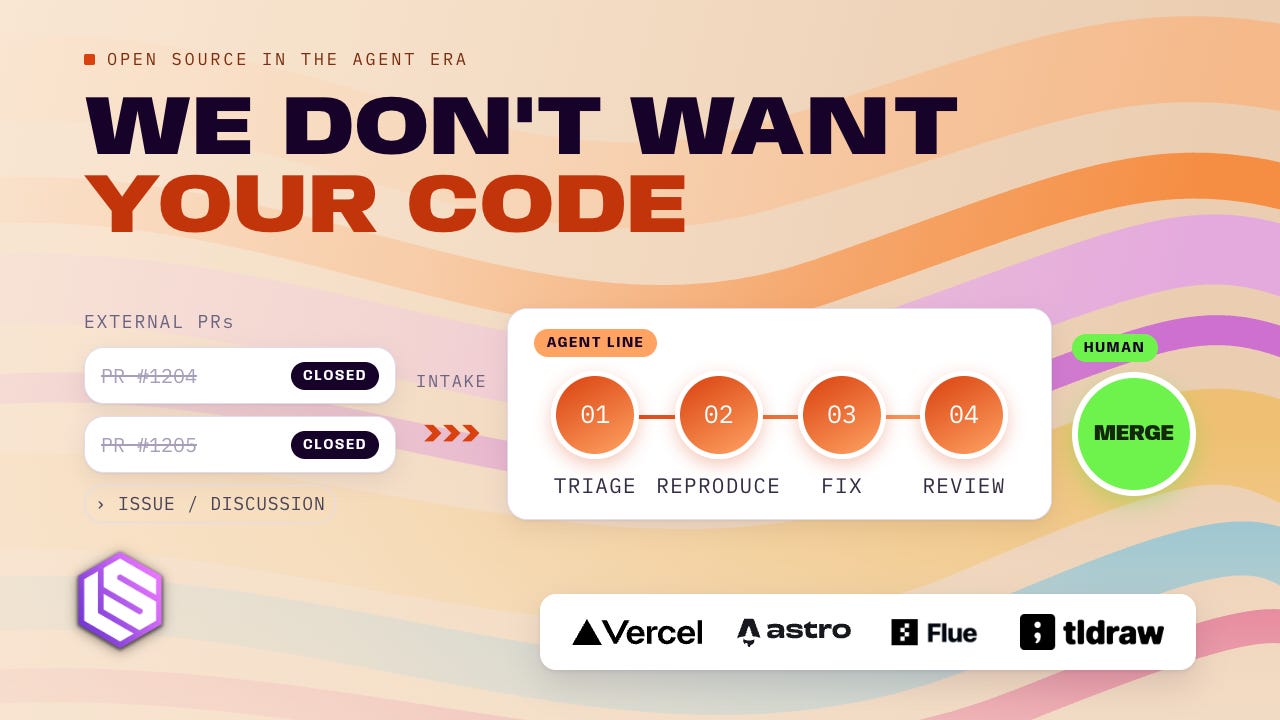
Top AI-native open source projects like Flue and tldraw are refusing external pull requests, often because the…
Google DeepMind chief Koray Kavukcuoglu said being at the frontier of AI is the only thing that matters to the…

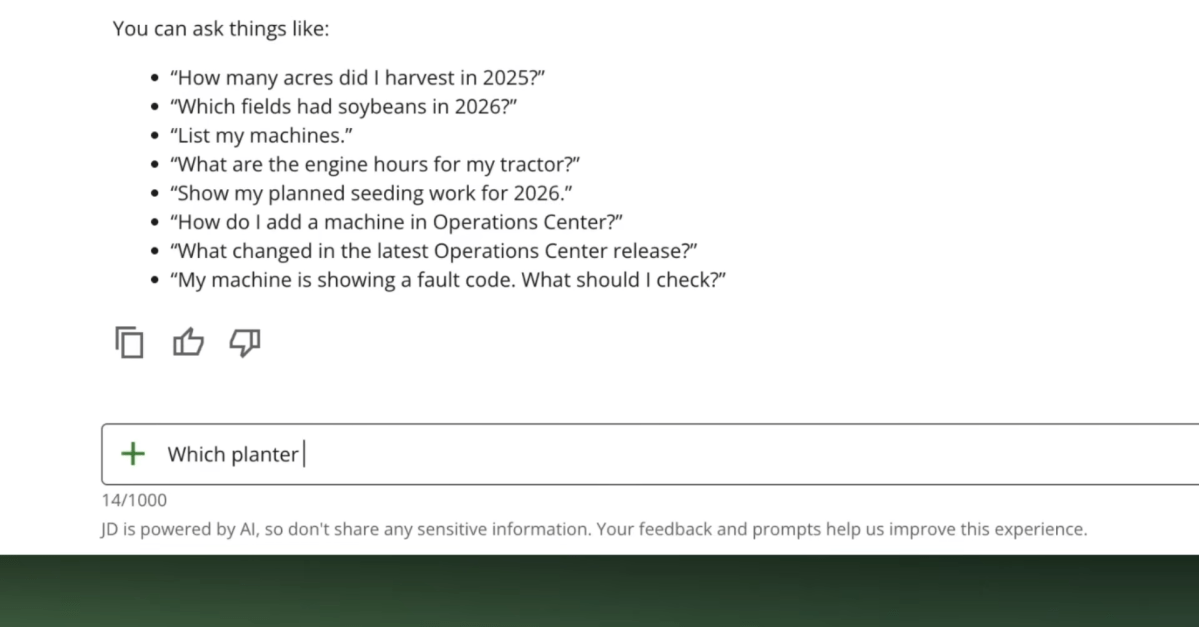
John Deere is testing an AI assistant called “JD” that answers farmers' questions on topics like equipment set…
Google has launched Google Pics, a new suite of creative design tools for Workspace users, built around Gemini…

OpenAI said today that it is integrating ChatGPT Health with Epic's electronic health record (EHR) system, whi…

Google is launching Google Pics, an AI-powered image creation and editing tool that will be part of Google Wor…