What happened
AWS's third semantic-layer post builds a Customer 360 model with AtScale C2026.7 on Amazon Redshift, exposing it to a Strands agent on Amazon Bedrock AgentCore via AtScale's MCP server.
Why it matters
Because access control and metric definitions sit in the semantic layer, an agent and existing BI tools get the same computed answer, which enterprises can reuse without rebuilding governance per consumer.
Summaries like this, in your inbox every morning.
This is the third entry in a series that has kept the same Customer 360 request while swapping the semantic layer underneath it — first Stardog's knowledge graph, then Denodo's data virtualization, now AtScale's dimensional model. The shift is architectural: Stardog and Denodo federate at query time across engines, whereas AtScale plans a dimensional query as native warehouse SQL and pushes it to one engine per query. In this walkthrough, all analytical C360 data lives in Amazon Redshift Serverless, with Amazon Aurora PostgreSQL kept as the operational system of record and a replication path keeping the analytical copy current.
The trade-off is explicit in the post. Consolidating into one engine rules out the live cross-engine federation the earlier two layers perform, but it lets AtScale's planner and autonomous aggregate management work against a single-engine execution model. That matters for agent-driven workloads, which fire more queries than a human analyst would; matching queries get routed to pre-built summary tables in the warehouse rather than rescanning the fact table.
Governance is framed as identical across consumers: one row-security object, one perspective, and one set of role bindings apply whether the caller is the agent over MCP, Excel over XMLA, or a notebook over JDBC. The series' two prior posts did not capture both the LLM-written query and the warehouse-executed query in a single record, which the post presents as the audit advantage here.
Pick your industry and the AI tools you use, and get news related to your work every day.
Free · 30 seconds with Google · unsubscribe anytimeWhat is AIToday? →
Ask AI anything about this article. The AI reads this article, earlier AIToday articles, and Wikipedia, and cites its sources. Q&As are published on this page for other readers too.
The US imposed sanctions on five Chinese entities tied to former Google engineer Linwei Ding, after his convic…
Nvidia is reportedly in talks to invest hundreds of millions of dollars in Firmus, and Maas Group — which owns…

Pigment closed a $250 million Series E at a $2.3 billion valuation, led by Scaleup Europe Fund managed by EQT…

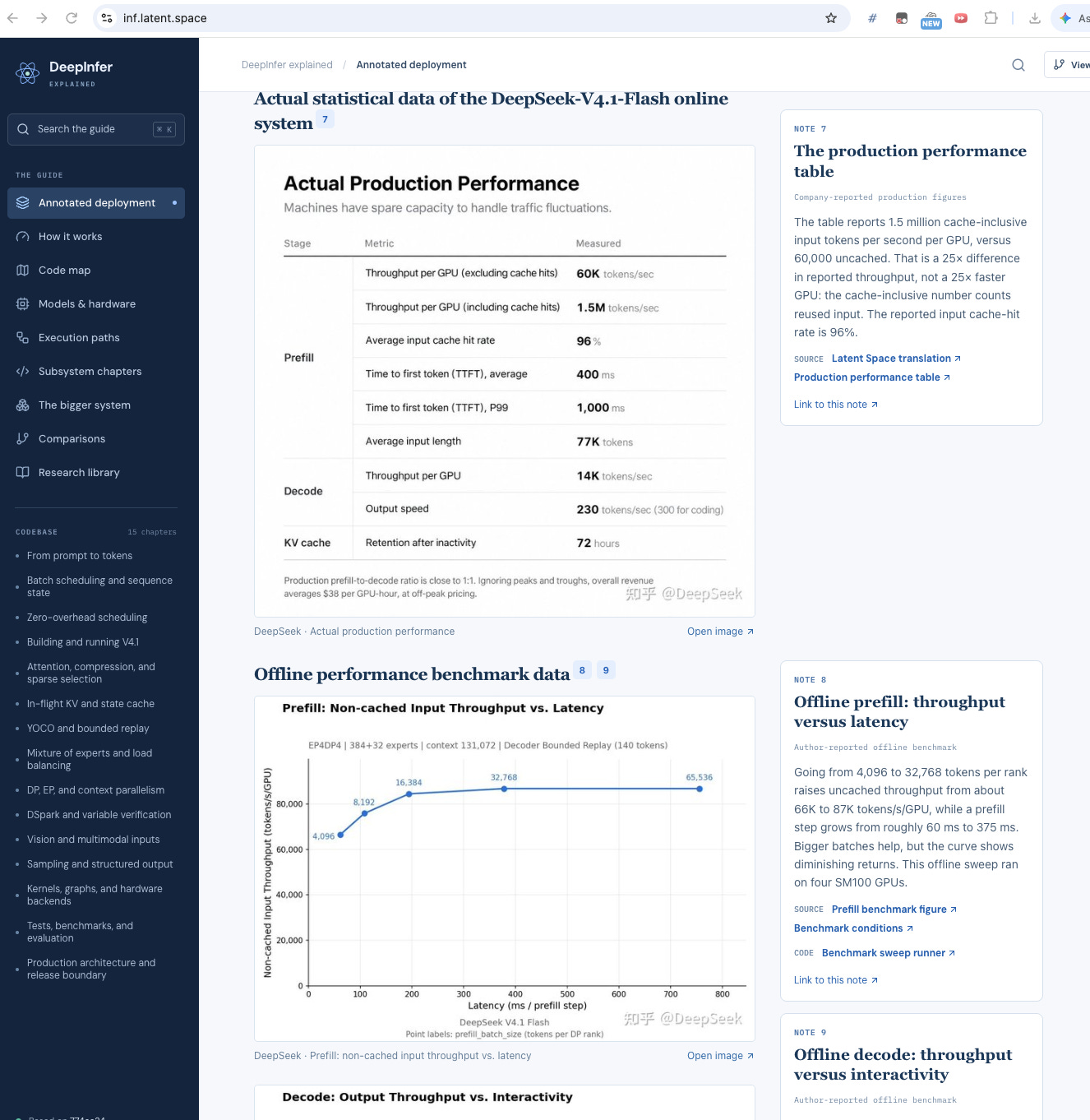
DeepSeek released DeepInfer, the inference engine behind V4.1-Flash, with production figures of 155 trillion t…
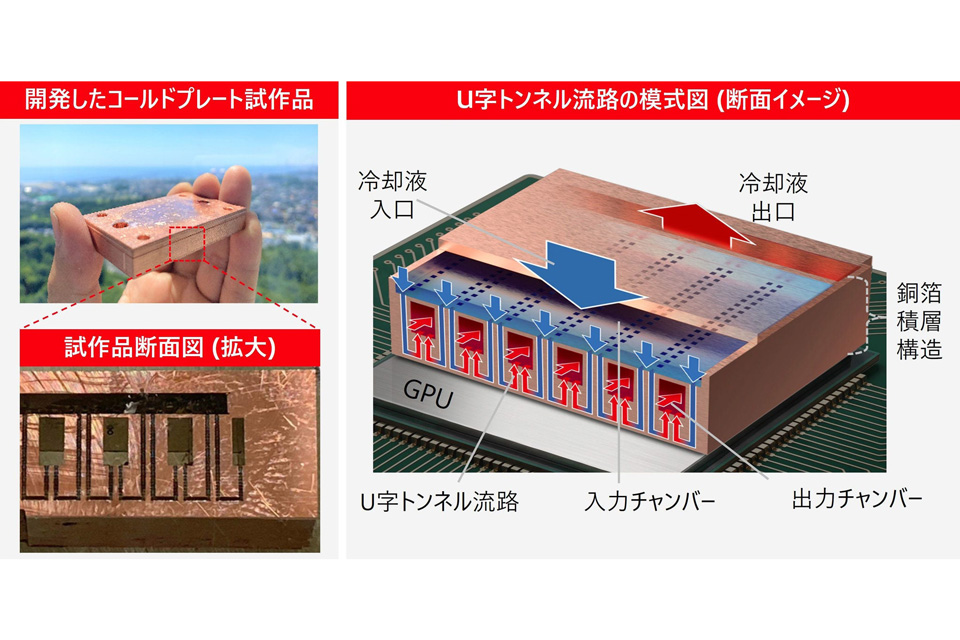
Hitachi unveiled a prototype GPU cold plate whose "U字トンネル流路" sends coolant straight at the GPU's hot spots, wi…
OpenAI acquired Orchestra Bio on October 20 and is integrating its team and drug-development coordination tech…