What happened
Over three days (Oct 7–9, 2026) Masayoshi Uehara wired ChatGPT's dots into real Gmail, Calendar, Drive, GitHub, Slack, Notion, Jira and Outlook accounts and ran 17 real tasks; reading and summarizing worked, but a calendar event vanished in ~30 seconds with no confirmation screen and an email was sent on a follow-up request, all inside the ChatGPT Pro $200 monthly plan.
Why it matters
A dot treats an explicit instruction — "delete that event" or "send that draft" — as the permission itself, so anyone delegating real work may need to phrase requests as drafts or no-change instructions rather than rely on connection settings, and approval prompts that never surface stop work silently.
Summaries like this, in your inbox every morning.
dots builds on a pattern ChatGPT users already know: one assistant with connected services, here called plugins, plus a cloud computer and a gateway into the local Mac through the desktop app. The author's setup kept test accounts out of it — real work accounts for Gmail, Calendar, Drive, GitHub, Slack, Notion, Jira and Outlook — and each result was checked against the actual calendar, inbox, Notion page or local git log rather than trusted from the dot's own report. That verification is what surfaced the gap between what a dot says it did and what the connected service records, since actions taken through the local Chrome appear as the logged-in user's own.
The three most useful failures were about boundaries, not raw capability. A dot's reading scope followed the wording of the request: asking for "the schedule" looked only at the main calendar, while "all calendars" pulled in 16. Approval requests landed in a child conversation that is easy to miss, and when one went unanswered the dot simply stopped and reported nothing to the user's main conversation. Deletion and sending were treated as authorized by the request itself, so the practical safeguard is the wording of the ask, not the connection's permission setting. The author also notes limits a dot reported on itself, including no outbound phone calls, no dedicated email address, no password changes and no money movement, and flags that these were self-reported rather than fully tested. Whether the same work built with Claude Code's cloud session and scheduled runs costs less or takes less effort is left to a follow-up piece.
Pick your industry and the AI tools you use, and get news related to your work every day.
Free · 30 seconds with Google · unsubscribe anytimeWhat is AIToday? →
Ask AI anything about this article. The AI reads this article, earlier AIToday articles, and Wikipedia, and cites its sources. Q&As are published on this page for other readers too.
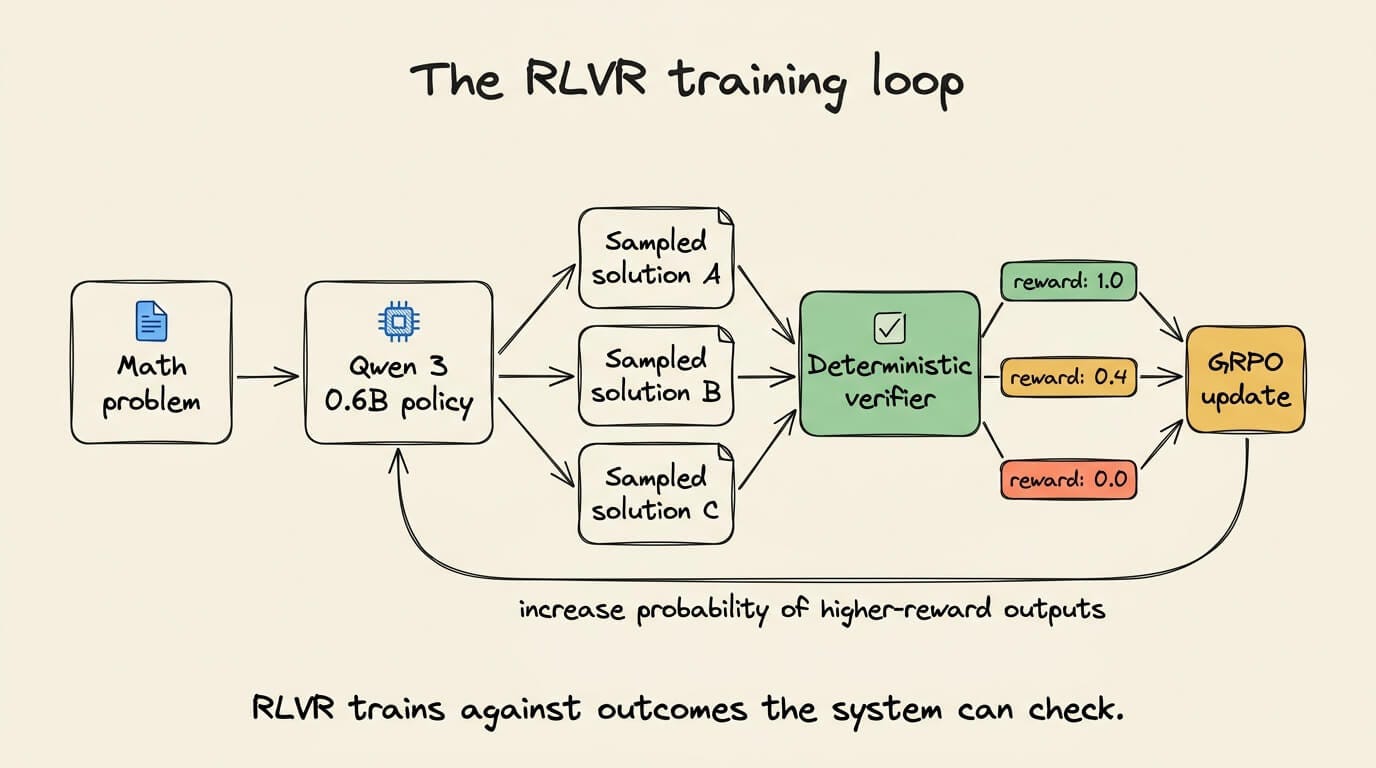
A walkthrough uses a custom four-signal reward (correctness 0.6, parseability 0.2, format 0.1, reasoning 0.1)…
Anthropic's Claude Code 2.1.294 fixed natural-language prompt and agent hooks that were allowing operations th…
Checking official help pages, the author found all three export full history as raw JSON-style data, ChatGPT a…
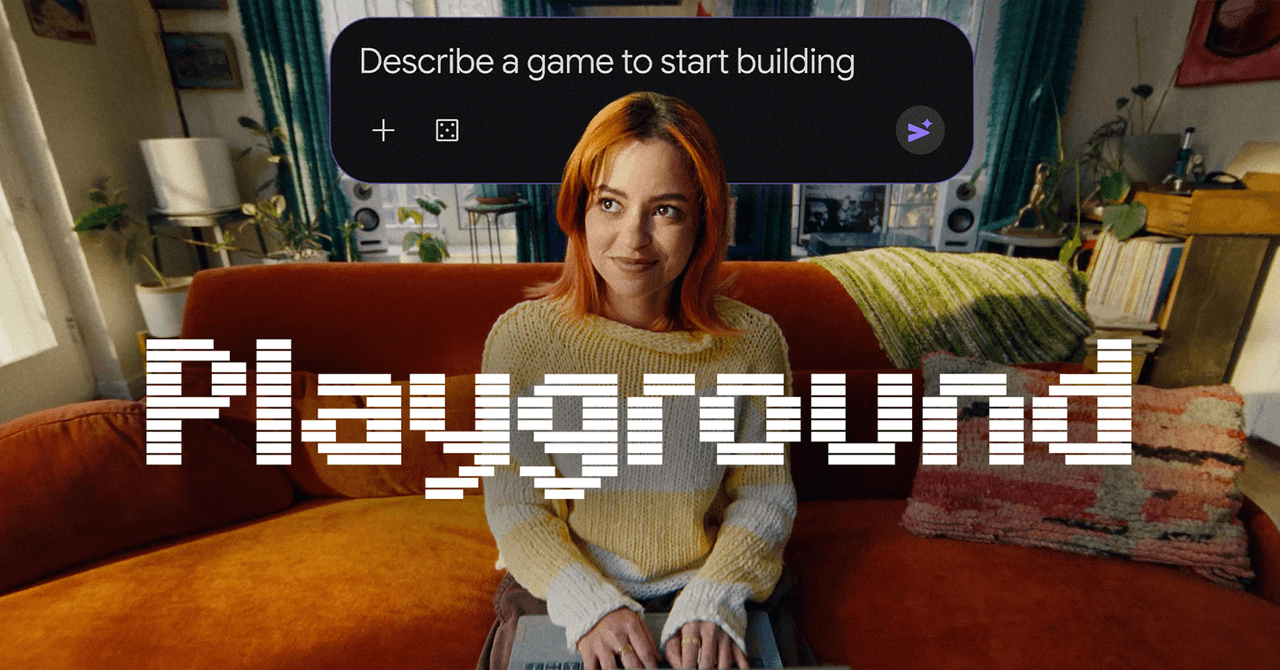
WIRED's Boone Ashworth used Google Labs' newly launched Playground to build three games in one day, including…
CNBC published a piece looking at AI agents like Muse that can shop for consumers, and what that means for ret…

TheStreet reported that Morgan Stanley's test of the Roblox AI game maker revealed a catch