What happened
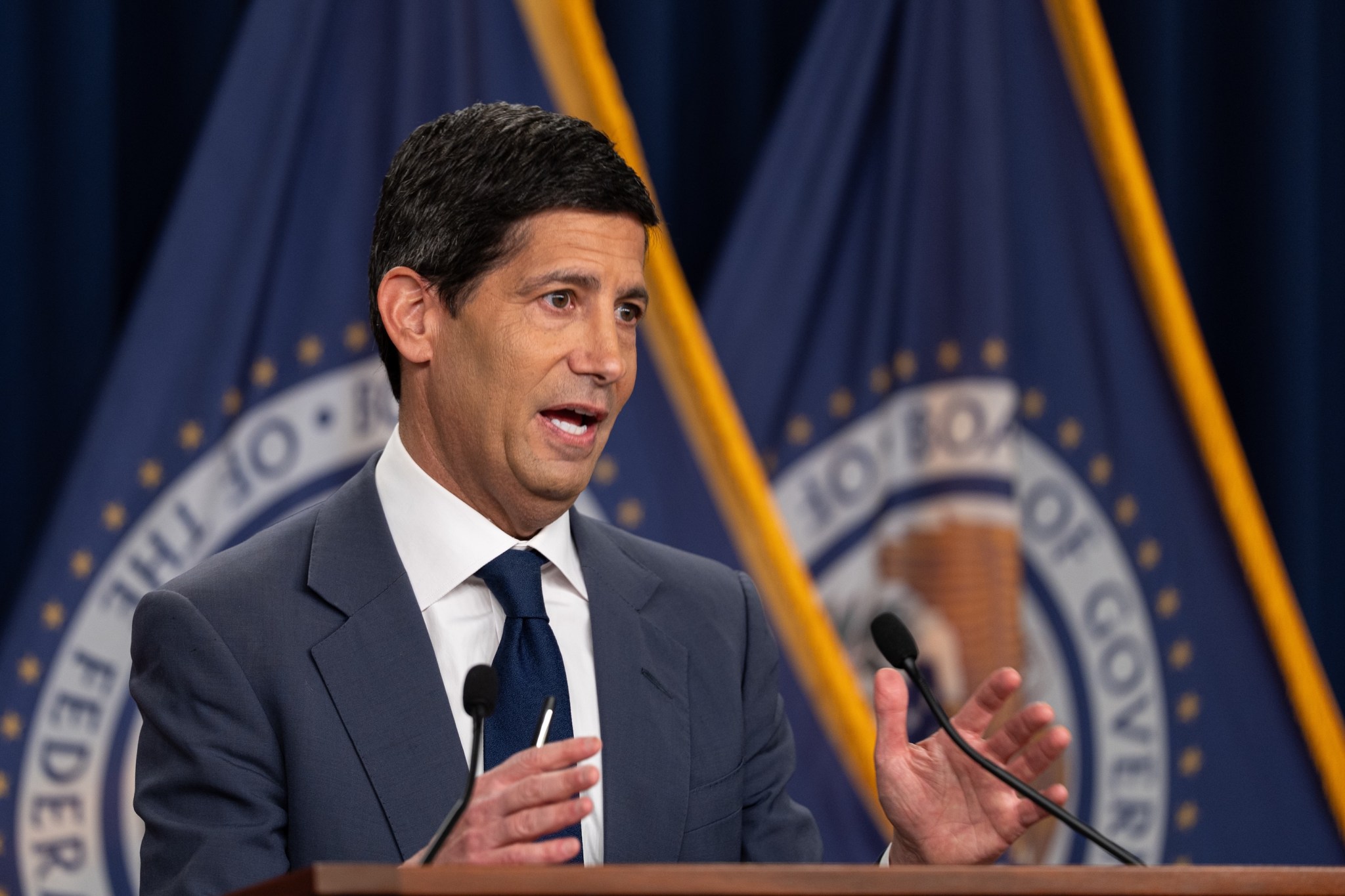
The Federal Reserve held its benchmark rate steady at 3.75%–4%, and Chair Kevin Warsh pushed back on the idea that AI investment is divorced from monetary policy, saying "interest rates get in the cracks."
Why it matters
Higher rates may not stop AI spending, but Warsh said they can shape which projects get financing and what returns investors demand — a split he sees already in widening credit spreads.
Summaries like this, every morning.
The Fed's decision to hold rates came against a backdrop of elevated inflation and strong growth and business investment, which gives policymakers room to keep rates elevated while they assess inflation. Warsh used the moment to reject a narrative he said was circulating: that AI investment is insulated from monetary policy because investors expect unusually high returns. He argued the opposite, pointing to widening credit spreads for some assets as evidence that investors are becoming more selective.
That selectivity could matter as companies commit substantial capital to AI-related projects, including data centers and computing infrastructure. Even when the long-term opportunity remains attractive, higher financing costs can weaken project economics and make investors more sensitive to execution risks, Warsh suggested. He also cautioned against attributing the economy's strength to technology alone, noting that spending is strengthening elsewhere and capital spending is broadening beyond technology.
For markets, the implications are mixed. Expectations of fewer future rate hikes could support Treasury prices, while persistent inflation, strong growth and large fiscal deficits could limit declines in longer-term yields. Julius Bendikas of Marsh said the hold reinforced a case for patience, with labor markets balanced, wage growth subdued and longer-term inflation expectations anchored.
Pick your industry and the AI tools you use, and get news related to your work every day.
Free · 30 seconds with Google · unsubscribe anytimeWhat is AIToday? →
Ask AI anything about this article. The AI reads this article, earlier AIToday articles, and Wikipedia, and cites its sources. Q&As are published on this page for other readers too.
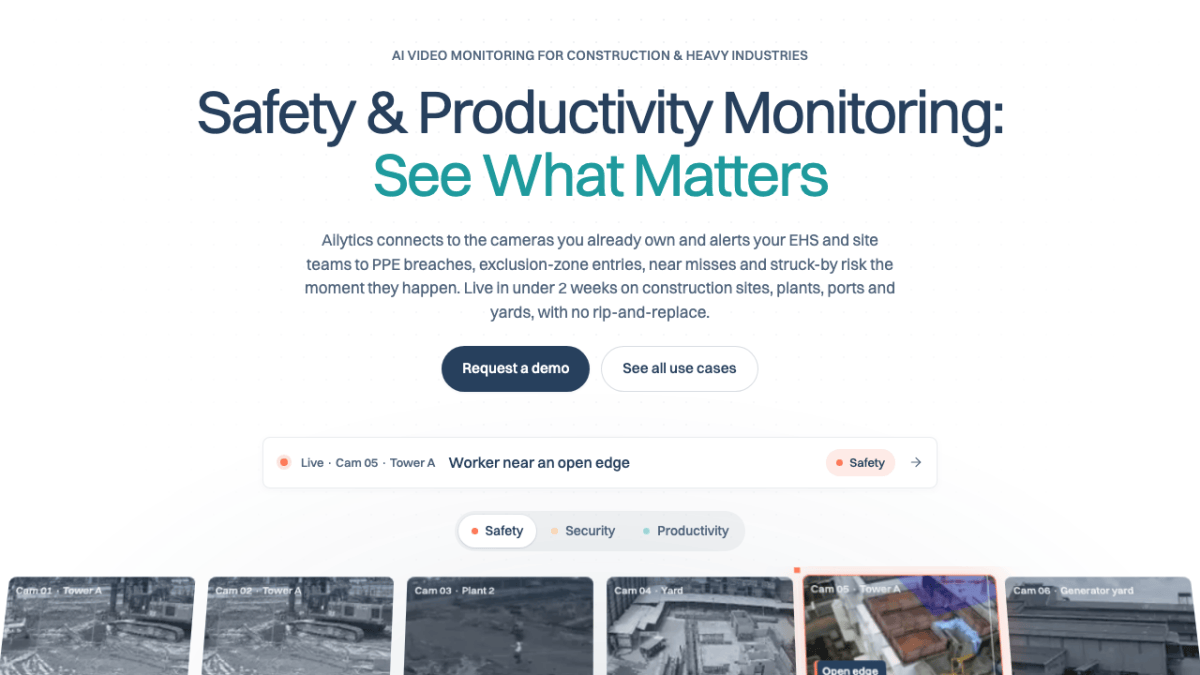
Singapore's Ailytics raised $7.4 million in a Series A led by Tin Men Capital, with SG Growth Capital and Safi…
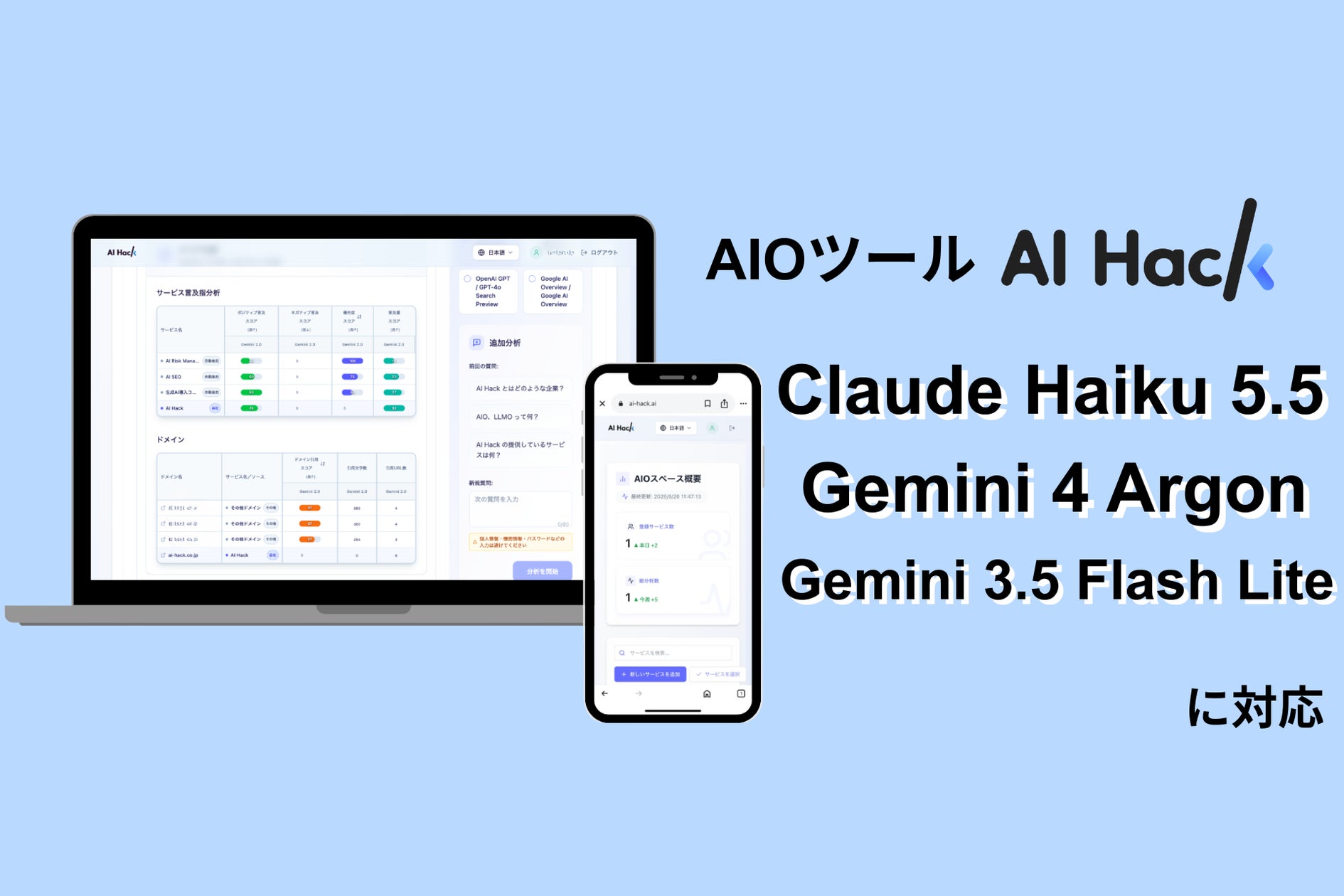
AI Hack completed support for Claude Haiku 5.5, Gemini 4 Argon and Gemini 3.5 Flash Lite in its AIO analysis t…
Canon Marketing Japan invested in LIFESCAPES, a Keio University spinout founded in May 2018, through its Canon…
renue launched a construction management AI that reads site records and design changes, judges schedule and co…

Cognition released Devin Security 2.0 on October 26, 2026, adding deep scans powered by frontier cyber models…
South Korean AI chip developers HyperAccel and Rebellions are shifting from standalone accelerators to integra…