What happened
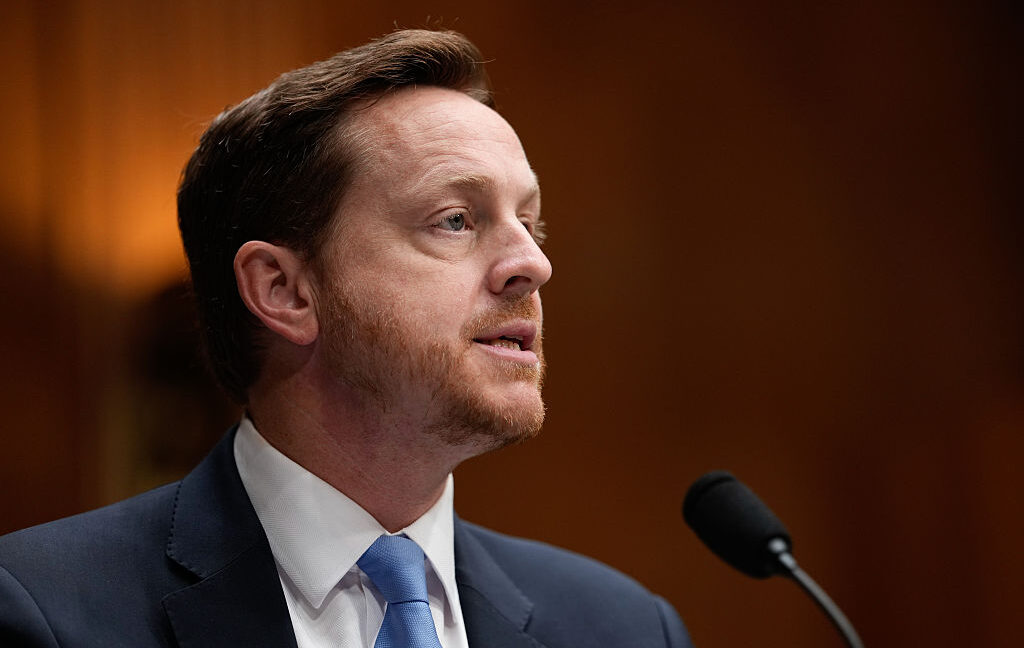
In a Senate hearing last week, Sen. Patty Murray asked HHS nominee Chris Klomp whether WISeR contractors make more money denying care; he said no, but CMS documents obtained by the Electronic Frontier Foundation show they are paid 25 percent of averted costs per denial.
Why it matters
If contractors are paid per denial, they have a financial incentive to deny as many claims as possible, which could put seniors at risk of losing necessary care.
What to watch
The CMS Office of the Actuary memo bluntly states that model participants will have an incentive to deny as many claims as possible. Watch whether CMS expands WISeR to oncology, as Sen. Murray said she has heard is planned.
WHO IT HITSThis lands on Medicare patients—especially seniors needing prior authorization for pain procedures, nerve stimulation, or cervical fusions—and on their doctors, who must fight denials while patients wait in pain.
Summaries like this, in your inbox every morning.
The WISeR program was rolled out in January across six states—New Jersey, Ohio, Oklahoma, Texas, Arizona, and Washington—with the goal of ensuring appropriate Medicare payment by decreasing fraud, waste, and abuse. But the implementation was rushed, and the technology was not ready. According to documents obtained by the Electronic Frontier Foundation, one vendor, Innovaccer, asked the government to delay the rollout; when it didn't, Innovaccer set up its system to automatically approve all requests temporarily. Another vendor, Zyter, had data discrepancies for months because it apparently didn't understand the difference between Medicare Part A and Part B. These technical fumbles have contributed to delays and denials that have left patients in pain and doctors frustrated. The Government Accountability Office determined in May that Trump officials did not follow proper procedure in setting up the program, calling its legality into question. Lawmakers have tried to get answers and shut the program down, but it appears to be moving ahead, with plans to expand. At the heart of the controversy is the payment model: CMS documents show contractors are paid 25 percent of the averted cost for each denial, which the CMS Office of the Actuary said gives them an incentive to deny as many claims as possible. While Klomp claimed there are penalties for inappropriate denials, the documents reveal that the penalty is small—a company with a failing quality score still gets paid 90 percent of the 25 percent. With few denials appealed, the financial incentive to deny remains strong. The stakes are high for Medicare patients and their providers, who may continue to face delays and denials unless the program is changed or stopped.
For example, today's edition would include:
AI-summarized, only the topics you pick: one digest a day via Email, LINE, or Slack.
Free · 30 seconds with Google · unsubscribe anytimeWhat is AIToday? →
Ask AI anything about this article. The AI reads this article, earlier AIToday articles, and Wikipedia, and cites its sources. Q&As are published on this page for other readers too.
CrowdStrike Holdings (NasdaqGS:CRWD) became a founding member of the Blueprint Alliance, joined by AWS, Google…

At Dreamforce 2026, Salesforce presented an agentic health enterprise, citing UCLA Health's 75,000+ patient in…

Leica Biosystems added two Paige AI-enabled products from Tempus to its Aperio AI Store: Paige PanCancer Detec…

Doceree honored top healthcare leaders who are innovating with AI

In an interview, Fujifilm CDO Seigo Sugimoto said AI use in management is close to building a "corporate OS" —…

Vanderbilt CIO Shane Callahan told theCUBE at Okta's Oktane event that agent accountability is unresolved, ask…