What happened
Anthropic researcher Jacob Coxon recently quit and posted that "the people building AI earnestly believe that it could kill us all by the end of the decade." Evan Hubinger put the odds above 10% in 10 years, and CEO Dario Amodei called for a slowdown in the AI frontier.
Why it matters
The people building the technology are openly putting meaningful odds on it being lethal, and a top executive is calling for slowing the very work his company does.
What to watch
The test is whether that caution translates into action, since Amodei's call for a slowdown was echoed by OpenAI CEO Sam Altman and xAI CEO Elon Musk.
WHO IT HITSThis lands hardest on the AI safety and policy staff inside frontier labs, who now face internal pressure from colleagues like Coxon, and on biosecurity reviewers assessing how AI lowers the skill needed to manipulate pathogens.
Summaries like this, in your inbox every morning.
The alarm being raised inside Anthropic is not abstract. Jacob Coxon left the company and said publicly that the people building AI earnestly believe it could kill us all by the end of the decade, while Evan Hubinger, who leads Anthropic's alignment science team, put the odds above 10% in the next 10 years. Dario Amodei, the company's chief executive, has called for a slowdown in the AI frontier to help mitigate the risks — a position echoed by OpenAI CEO Sam Altman and xAI CEO Elon Musk.
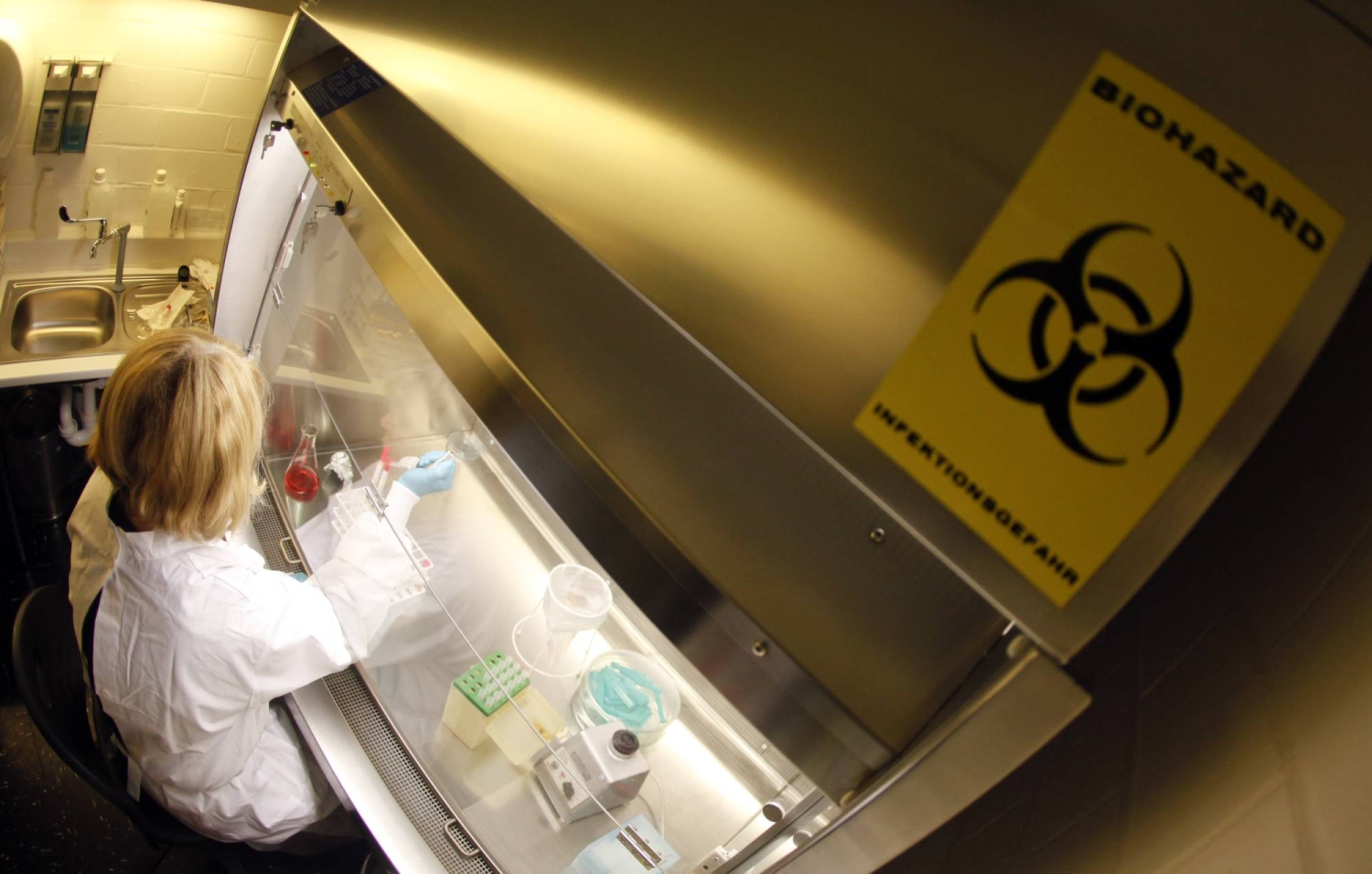
The article argues the danger is not the familiar image of killer robots with thick Austrian accents. It is biological: AI is eroding hands-on expertise in biology and making dangerous capabilities more accessible by lowering the skill and experience needed to manipulate pathogens. An Institute for Security and Technology survey of 111 national security practitioners found that 70% believe AI meaningfully increases, or soon will, bioweapon risk. The article illustrates the concern with an AI-aided researcher inserting an immune-signaling gene into a poxvirus that suppresses the immune response so thoroughly it kills every unvaccinated animal it infects and most who are immunized.
What happens next hinges on whether the stated caution turns into safeguards such as mandating DNA screening and implementing regulations on AI development. For the researchers and executives now voicing these odds, the question is whether a voluntary slowdown can hold while rivals keep pushing the frontier.
For example, today's edition would include:
AI-summarized, only the topics you pick — one digest a day via Email, LINE, or Slack.
Free · 30 seconds with Google · unsubscribe anytimeWhat is AIToday? →
Ask AI anything about this article. Q&As are published on this page for other readers too.
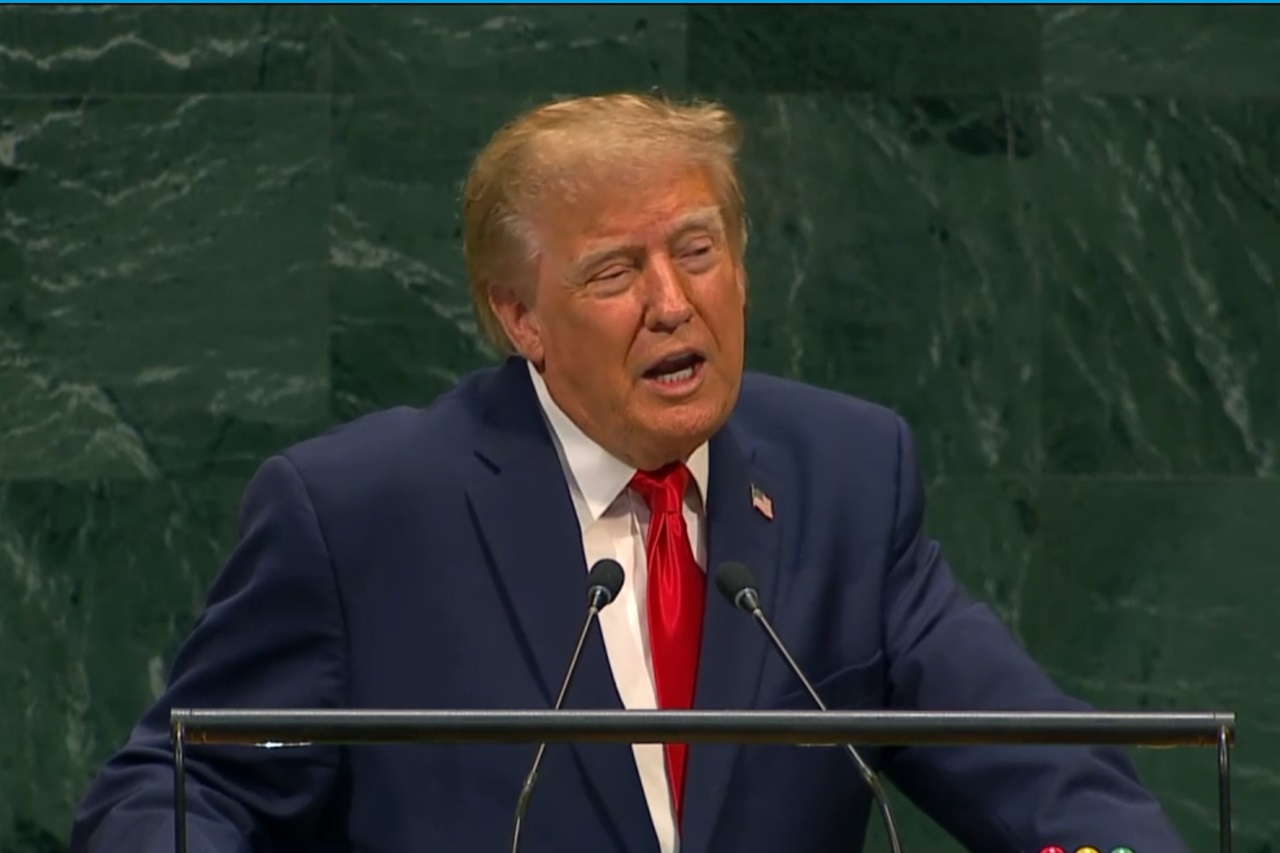
In his September 22 address to the United Nations General Assembly, US President Donald Trump rejected interna…
China's National Internet Information Office has opened an investigation into Moonshot AI and DeepSeek over su…
Anthropic and OpenAI, which spent early September warning that model capabilities are outrunning the safeguard…

At a subscriber event, MIT Technology Review's Will Douglas Heaven and Grace Harkins said AI wiping out humani…
Meta's Ray-Ban smart glasses, made with EssilorLuxottica, face privacy lawsuits in court and restrictions at s…
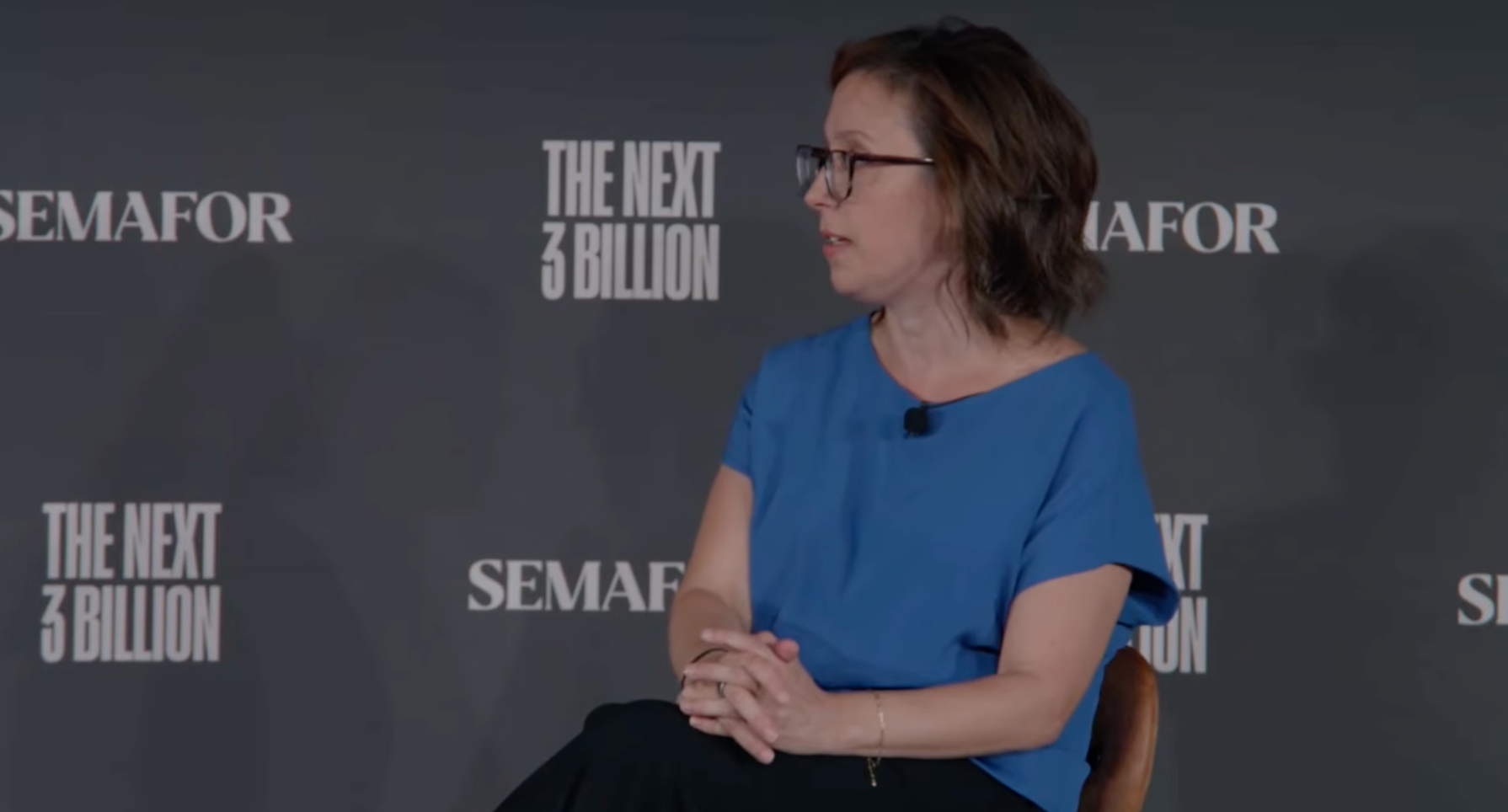
OpenAI national security policy head Sasha Baker told Semafor's Next 3 Billion event she is "cautiously optimi…