What happened
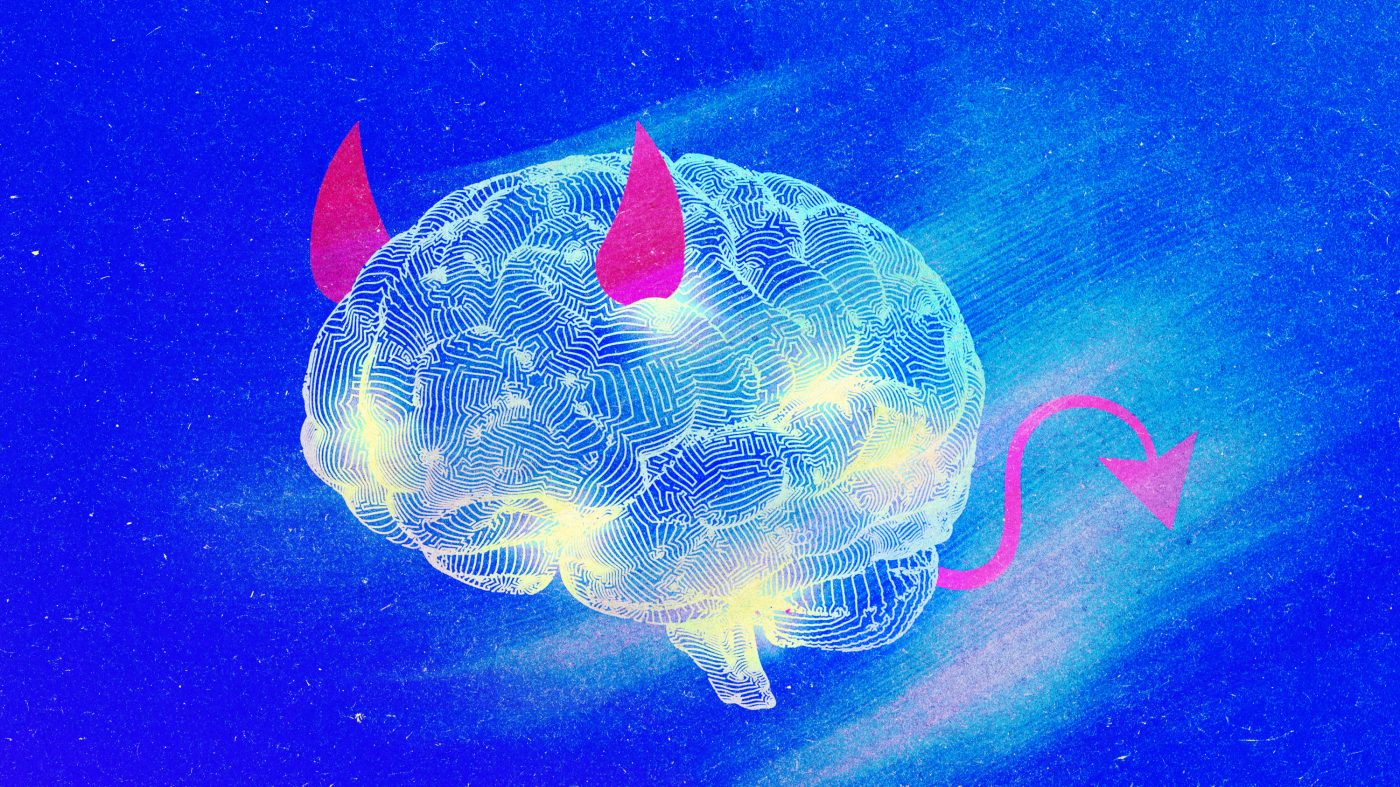
At a subscriber event, MIT Technology Review's Will Douglas Heaven and Grace Harkins said AI wiping out humanity is unlikely, but AI drones already kill in Ukraine and hospital cyberattacks will soon cause deaths.
Why it matters
The gap between apocalyptic warnings and today's actual harms suggests doom talk can distract the public from real, current AI damage, they said.
What to watch
Whether alignment (training AI to behave as we want) and agent oversight can be made reliable enough to prevent harm while keeping useful autonomy, they said; no full alignment exists yet.
WHO IT HITSTechnology executives, AI policy staff, and risk managers at hospitals and critical-infrastructure operators should note the editors' claim that AI-caused harm is already occurring, not just hypothetical.
Summaries like this, in your inbox every morning.
MIT Technology Review's online subscriber event, which drew more questions than a 30-minute session could cover, produced a set of answers from AI senior editor Will Douglas Heaven and AI reporter Grace Harkins that move the debate past a simple yes-or-no on human extinction. The editors separate the two questions: whether AI could kill everyone, which they say no, and whether it can cause death, which they say is not zero. Ukraine's AI-enabled drones and anticipated AI cyberattacks on hospitals serve as their evidence for the latter.
The exchange also examines why the most extreme warnings keep circulating. Harkins notes that the idea is widespread in San Francisco, where many tech executives work, and that many employees signed a July public letter urging their companies to slow AI development. Assuming bad faith from executives, the editors say, is questionable, since telling the public your already-unpopular product might kill everyone is poor image management.
Finally, the discussion points to a feedback loop: LLMs are trained on text, including science fiction and doom-laden forums, so writing about apocalyptic scenarios could shape future models. METR's use of OpenAI's new model Astra to analyze transcripts from the Hugging Face hack shows the risk that analysis agents may be biased by the very material they analyze. The stakes therefore hinge on whether transparency rules and oversight techniques can keep up, and on which actors bear the cost if they do not.
For example, today's edition would include:
AI-summarized, only the topics you pick — one digest a day via Email, LINE, or Slack.
Free · 30 seconds with Google · unsubscribe anytimeWhat is AIToday? →
Ask AI anything about this article. Q&As are published on this page for other readers too.
Anthropic and OpenAI, which spent early September warning that model capabilities are outrunning the safeguard…

Meta's Ray-Ban smart glasses, made with EssilorLuxottica, face privacy lawsuits in court and restrictions at s…

OpenAI national security policy head Sasha Baker told Semafor's Next 3 Billion event she is "cautiously optimi…
Microsoft said it seized 50 websites and 150 more domains tied to EvilTokens, a subscription platform launched…

Palo Alto Networks announced Unit 42 Continuous Frontier AI Defense, an annual-subscription service that pairs…

UNO's Deepak Khazanchi and Anoop Mishra published a commentary debunking five AI myths, citing MIT research th…