What happened
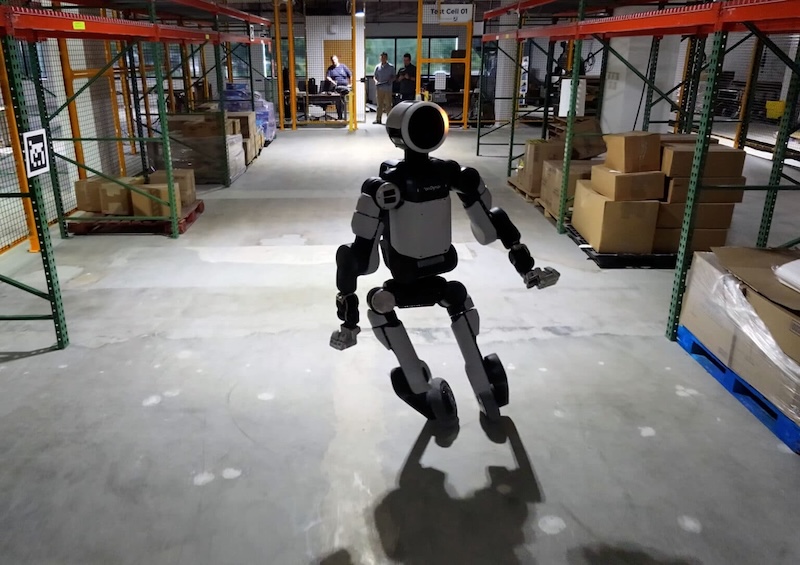
Boston Dynamics released video of its Atlas humanoid rolling on wheels attached via custom adapters and scooter rims, sliding sideways and landing a 360-degree jump, as part of a reinforcement learning research project.
Why it matters
The wheeled setup let researchers test Atlas's motors across a wide range of speeds and torque demands, and see how accurately behaviors learned in simulation transferred to physical hardware, with findings already being applied to the standard configuration.
WHO IT HITSRobot hardware and controls engineers working on humanoid platforms should take note: the project shows how simulation-trained policies can be used to probe actuator limits and transfer learned behaviors to physical robots, and Boston Dynamics says the findings are already being applied to Atlas's standard configuration.
Summaries like this, every morning.
Boston Dynamics frames the wheeled Atlas as a deliberate test of how well behaviors learned in simulation hold up on physical hardware. By swapping the robot's feet for scooter rims attached via custom adapters, researchers could push the existing ankle actuators across a wide range of speeds and torque demands — conditions that are harder to explore with feet alone.
The project combines traditional motor control engineering with whole-body reinforcement learning, trained across millions of simulated scenarios. The body notes that some movements, including sliding maneuvers and the 360-degree jump, originated from human motion capture recordings that the robot adapted to its wheeled configuration. It also highlights the risk of mismatches between simulated and physical actuators, which can produce movements that cannot be reliably reproduced in the real world.
Boston Dynamics says the findings are already feeding back into Atlas's standard configuration, with work aimed at improving the robot's ability to respond to actuator failures and other unexpected operating conditions. That suggests the wheeled experiment is less about a new form factor than about hardening the control systems that would support reliable humanoid operations in real-world environments.
Pick your industry and the AI tools you use, and get news related to your work every day.
Free · 30 seconds with Google · unsubscribe anytimeWhat is AIToday? →
Ask AI anything about this article. The AI reads this article, earlier AIToday articles, and Wikipedia, and cites its sources. Q&As are published on this page for other readers too.
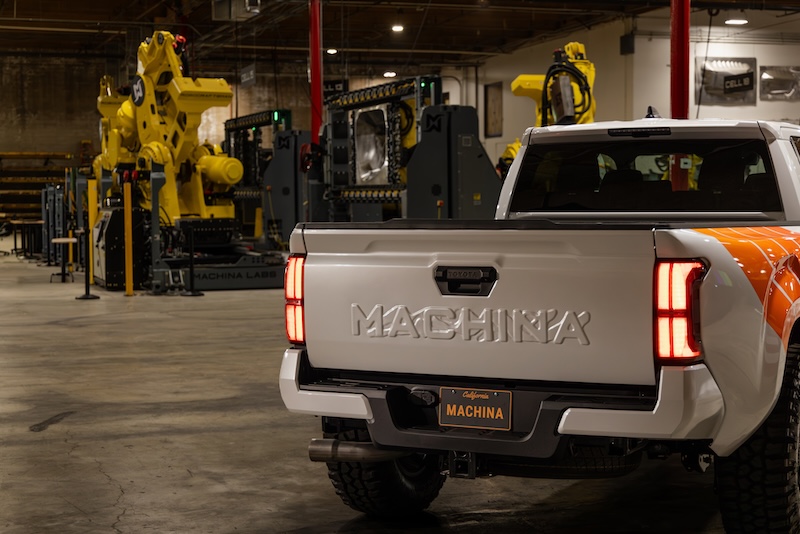
Machina Labs unveiled Machina Rebellis at its Chatsworth, California facility, using robotics, AI and digital…
Runway released Praxis-1, a 27-billion-parameter open-weight world action model, now publicly available under…
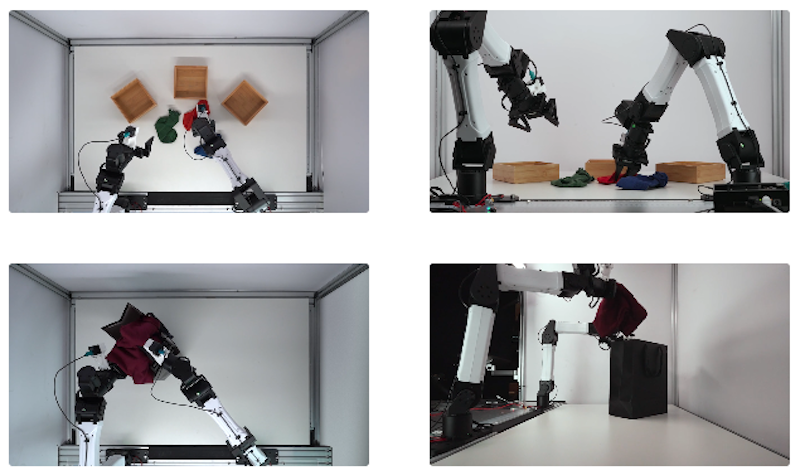
Samsung Electronics, SK hynix, and Micron are setting a charging standard for robots used in semiconductor fab…
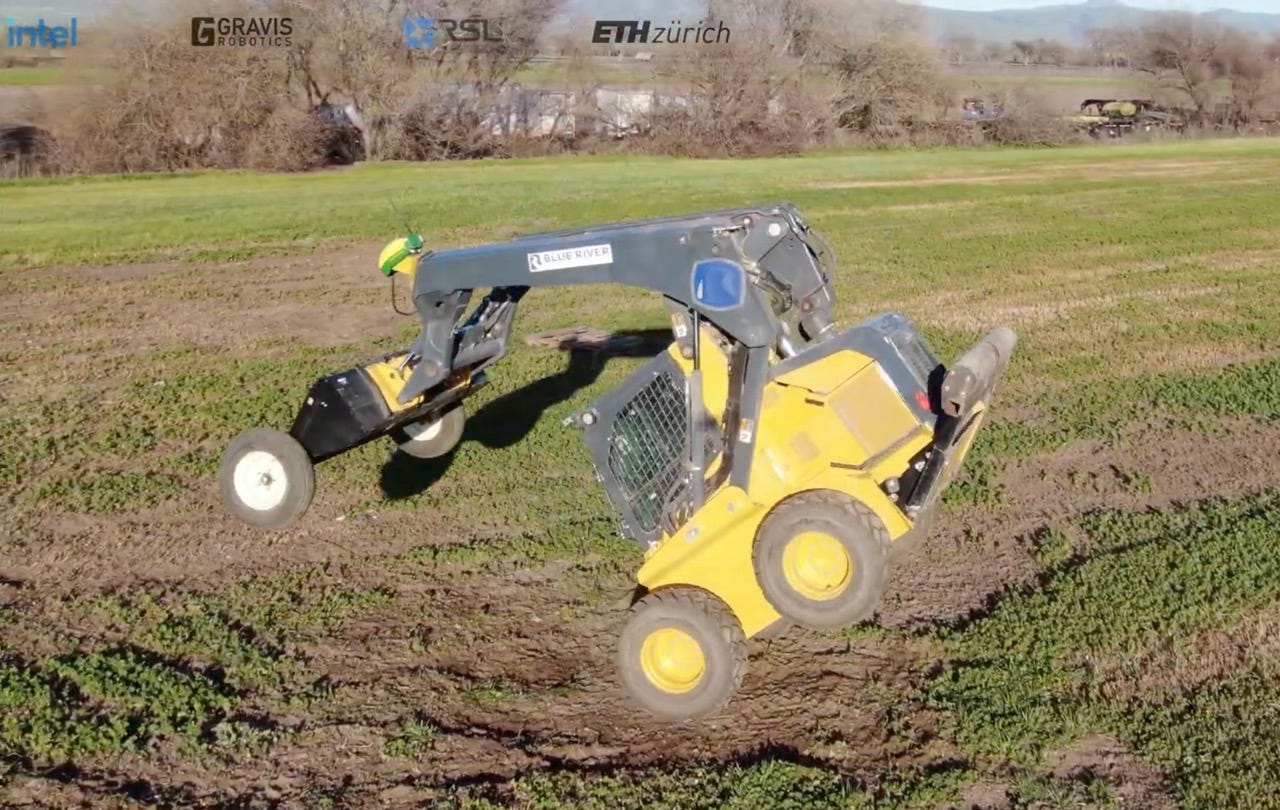
Robotics and physical AI companies have raised nearly $48 billion in 2026, but VulcanForms CTO Michael Kenwort…
Seizo Trend's analysis lays out SoftBank's approach to physical AI, where the company positions itself to earn…

Japan launched a national 'physical AI' initiative that gathers many of its major companies, with Honda standi…