What happened
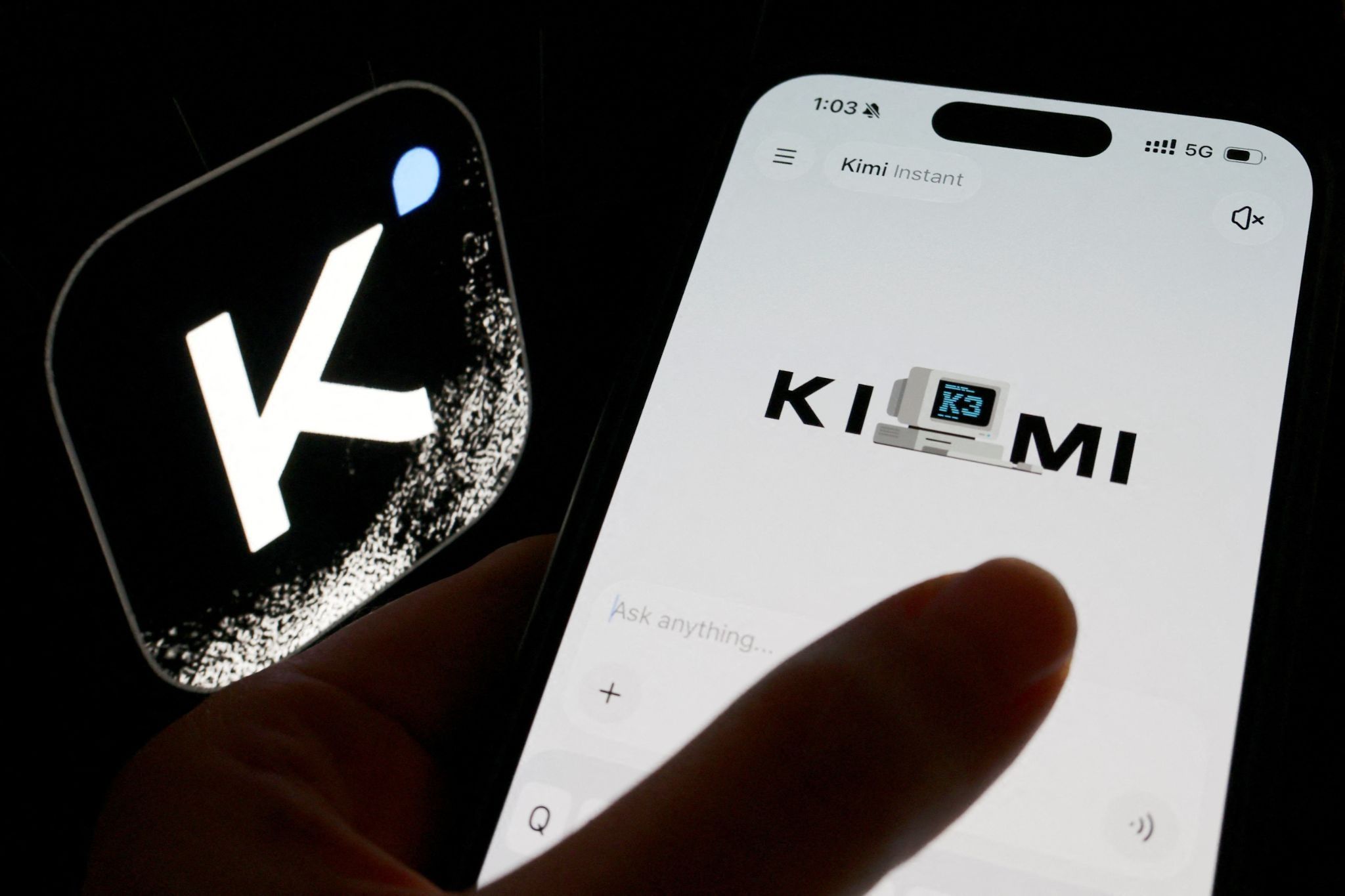
The rise of Chinese open-weight AI models (free, publicly released AI software) has reignited debate in the US over how to balance safety and security concerns against the growth of the American tech ecosystem. The US is threatening sanctions against Chinese AI firms, and Beijing is vowing to retaliate.
Why it matters
Some fear Silicon Valley will become dependent on cheap Chinese AI models that are accused of copying American labs' work, introducing "various baskets of risk," according to an American Enterprise Institute scholar. However, China tech expert Samm Sacks argues the real safety issue is not who builds the model, but "who owns and operates" the server running it—a distinction that could reassure American firms and developers worried about data being sent to China.
What to watch
The outcome of US-China AI trade tensions, including whether sanctions materialize and how Beijing retaliates, will shape whether American companies can safely use cheaper Chinese models or must rely exclusively on domestic alternatives.
Summaries like this, in your inbox every morning.
The emergence of cheap Chinese open-weight AI models has collided with longstanding US concerns about both economic competition and national security. The body frames this as a clash between two American priorities: keeping the tech ecosystem competitive and affordable on one hand, and protecting against data leakage and intellectual-property theft on the other. The threat of US sanctions and Beijing's promised retaliation suggest the dispute is not merely technical or academic but has become a geopolitical flashpoint. However, Samm Sacks's intervention offers a potential escape from this binary framing: if American companies and developers can run Chinese models on domestically controlled servers, the safety concern about data exfiltration diminishes. This distinction between model ownership and server control may allow policymakers to distinguish between legitimate safety threats and protectionist anxiety, though the body does not indicate whether US policymakers have adopted this framing.
Pick your industry and the AI tools you use, and get news related to your work every day.
Free · 30 seconds with Google · unsubscribe anytimeWhat is AIToday? →
Ask AI anything about this article. The AI reads this article, earlier AIToday articles, and Wikipedia, and cites its sources. Q&As are published on this page for other readers too.
Humans First released an "America First AI Policy" platform on Friday, proposing tighter export controls on Ch…
Charles Schwab CEO Rick Wurster said an AI agent should trade for you only if you set the rules and oversee th…
Palo Alto Networks launched Prisma AIRS updates that integrate runtime protection into Claude Enterprise via i…

Dell leads day 1 of the AI Cybersecurity and Resilience Summit on Oct
Veeam announced Veeam Intelligent ResOps (iResOps), with Microsoft 365 as the first generally available worklo…
On June 26, an internal OpenAI research model updating a crypto trading app found a funded wallet via 362 publ…