What happened
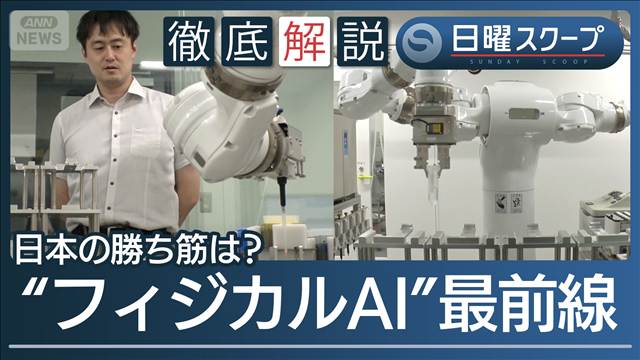
Tokyo Science University's Robot Future Creation Center, opened in April, is pursuing research where AI plans experiments and the humanoid 'Mahoro' runs them automatically, with iPS cell regenerative medicine a key target.
Why it matters
Deputy center director Motonori Kanda warns Japan could end up depending on the US or China for experimental environments without large-scale research bases of its own.
What to watch
Whether robot-driven work can stabilize cell quality and lead to lower future treatment costs hinges on whether Japan builds such large-scale research bases. Watch the collaboration between Astellas and Yaskawa's joint venture.
WHO IT HITSJapanese pharmaceutical researchers and regenerative medicine scientists stand to gain a more stable way to mass-produce cells, while the country's ability to keep such work at home may hinge on building large-scale research bases.
Summaries like this, in your inbox every morning.
The global race around physical AI — machines that fuse AI with robotics and act autonomously in the real world — is accelerating, with the US and China pouring in large amounts of money. Japan has placed the field in its growth strategy and is focusing on medical and drug discovery applications. One front line is the Robot Future Creation Center at Tokyo Science University, opened in April, where researchers including deputy center director Motonori Kanda are working on research in which AI thinks up experimental methods and the general-purpose humanoid 'Mahoro' carries them out automatically. The system tries enormous combinations of drug amounts, procedures and timing, and AI evaluates the results to feed the next experiment.
A particularly anticipated use is regenerative medicine with iPS cells. Masayo Takahashi, who in 2014 achieved the world's first transplant of retinal cells made from a patient's own iPS cells, points out that stably producing cells in large quantities remains a challenge. If introducing robots can quantify the work and stabilize quality, it may also lead to lower treatment costs in the future. In China, humanoid robot development is advancing rapidly, and some researchers voice concern about the gap with Japan. Kanda argues that unless Japan has large-scale research bases, it could end up depending on the US and China for experimental environments in the future.
Companies are moving as well. Astellas Pharma and Yaskawa Electric have established the joint venture Cellafa Bioscience, aiming to combine two Japanese strengths — industrial robots and iPS cells — toward social implementation of regenerative medicine. Whether these efforts can actually stabilize cell quality and bring down treatment costs will likely depend on whether Japan can build the large-scale research bases that Kanda says are needed, and on whether the Astellas-Yaskawa venture can turn its combination of robotics and cells into practical treatments.
For example, today's edition would include:
AI-summarized, only the topics you pick — one digest a day via Email, Slack, or Discord.
Free · 30 seconds with Google · unsubscribe anytimeWhat is AIToday? →
Ask AI anything about this article. Q&As are published on this page for other readers too.
Simply Wall St's most-followed KLA narrative sets fair value at $232.43 versus a $176.99 close, with the stock…
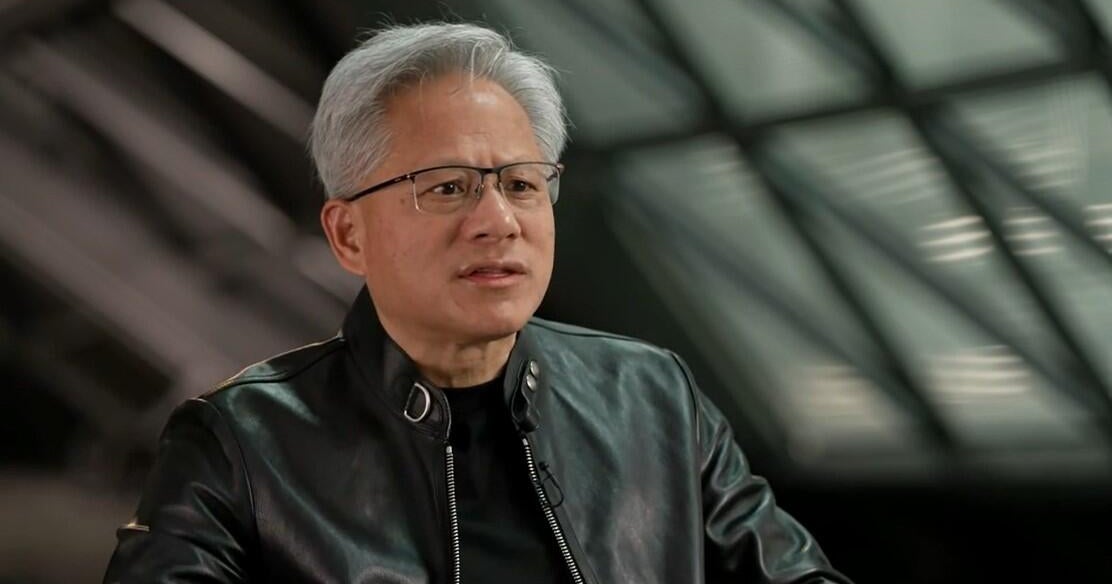
Nvidia founder and CEO Jensen Huang told CBS News that AI development should move 'as fast as we can irrespect…
Visa joined Mastercard and Ant International to design a shared Know Your Agent framework, aimed at standardis…

Broadcom projected roughly $58 billion in AI semiconductor revenue for fiscal 2026, about $115 billion in fisc…

Aehr Test Systems reported FY2026 revenue of $50.0 million, down 15.2% from the prior year, and a net loss of…

Citi said it expects a hawkish Fed to slow the non-AI economy