In 2024, 542,000 robots were installed globally, more than double the number 10 years prior, according to the International Federation of Robotics. A little over half of global manufacturers are adopting robots for quality improvement rather than cost reduction alone.
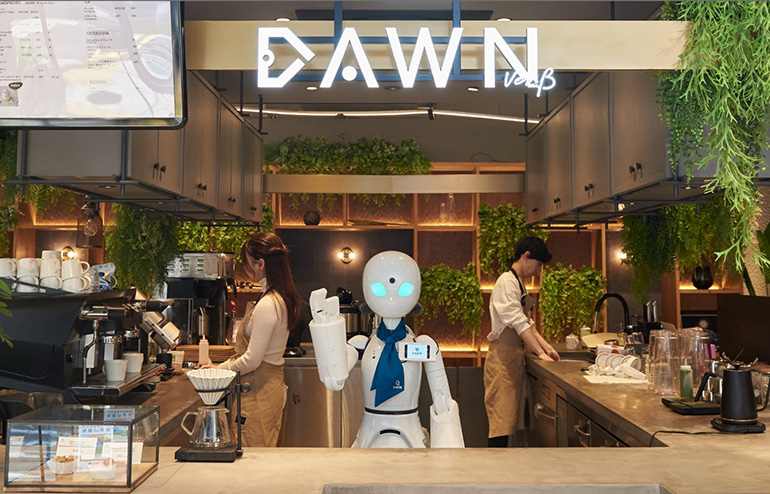
Panasonic piloted OryLab's OriHime avatar robots—remotely operated systems that allow people with physical disabilities to perform telework involving physical tasks—with compelling results: about 94% of respondents reported a more positive view of the abilities and motivation of workers with physical impairments.
Manufacturers face significant technical and organizational barriers to full automation: 70% of manufacturers still capture data manually, and the most complex challenge is capturing workers' instinctive knowledge honed over years or decades on the factory floor. Successful robot integration requires reskilling workforces to oversee and collaborate with these systems, with safety prioritized first, followed by quality and productivity.
Summaries like this, in your inbox every morning.
Pick your industry and the AI tools you use, and get news related to your work every day.
Free · 30 seconds with Google · unsubscribe anytimeWhat is AIToday? →
Ask AI anything about this article. The AI reads this article, earlier AIToday articles, and Wikipedia, and cites its sources. Q&As are published on this page for other readers too.
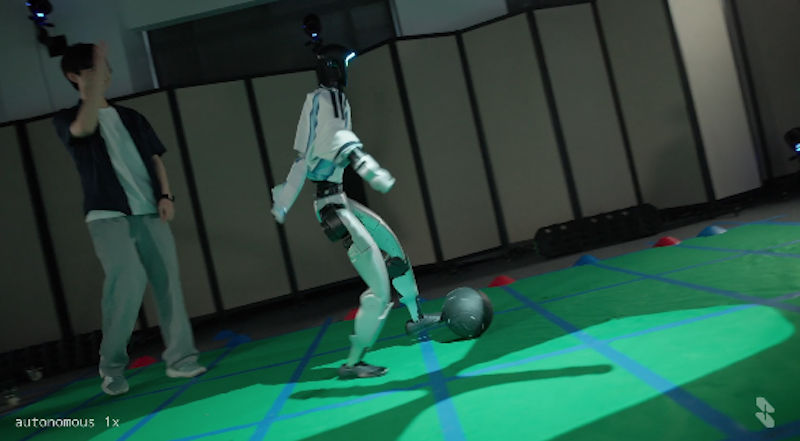
Skild AI used Nvidia Isaac Sim to give its S1 model one objective — score a goal — and let it compete against…
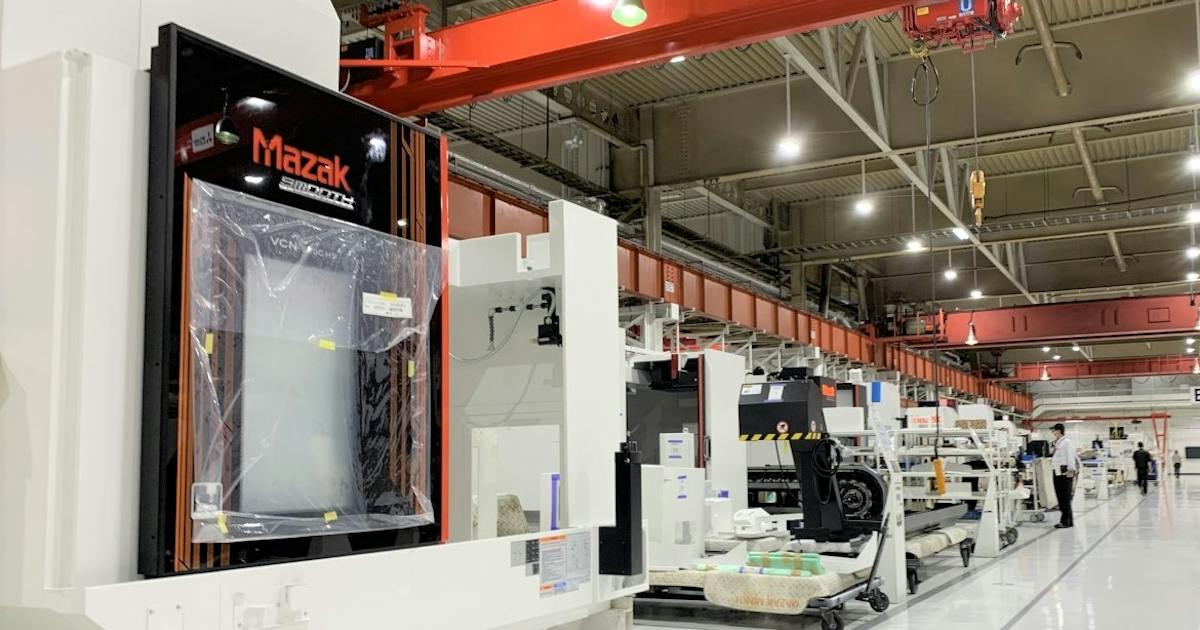
Yamazaki Mazak and ABEJA said on the 16th they will start joint development of physical AI, using ABEJA's ABEJ…
Toyota Motor's Japan Mobility Show Bizweek 2026 booth centers on its AI basketball robot CUE7, has no other ex…
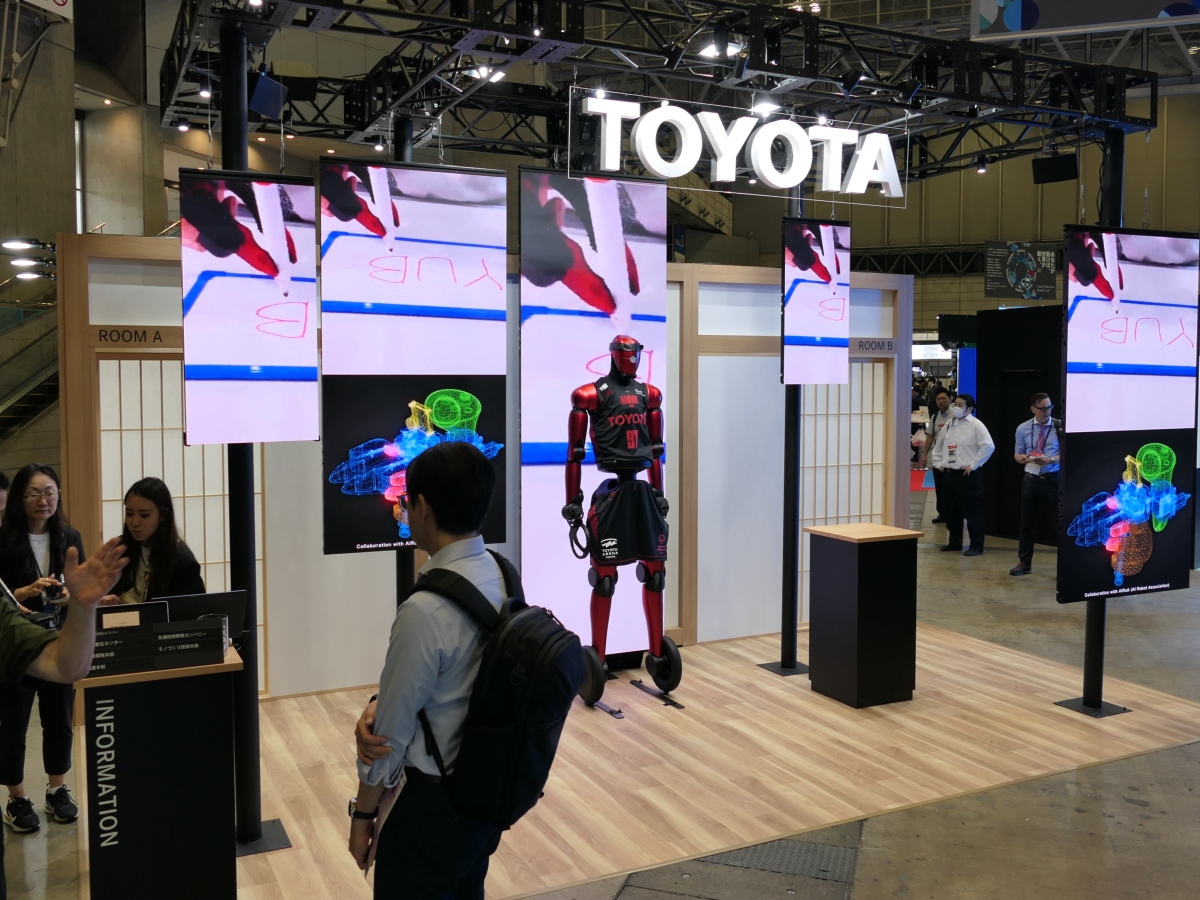
Japan Mobility Show Bizweek 2026 showcased Physical AI applications, including Toyota's basketball-playing rob…
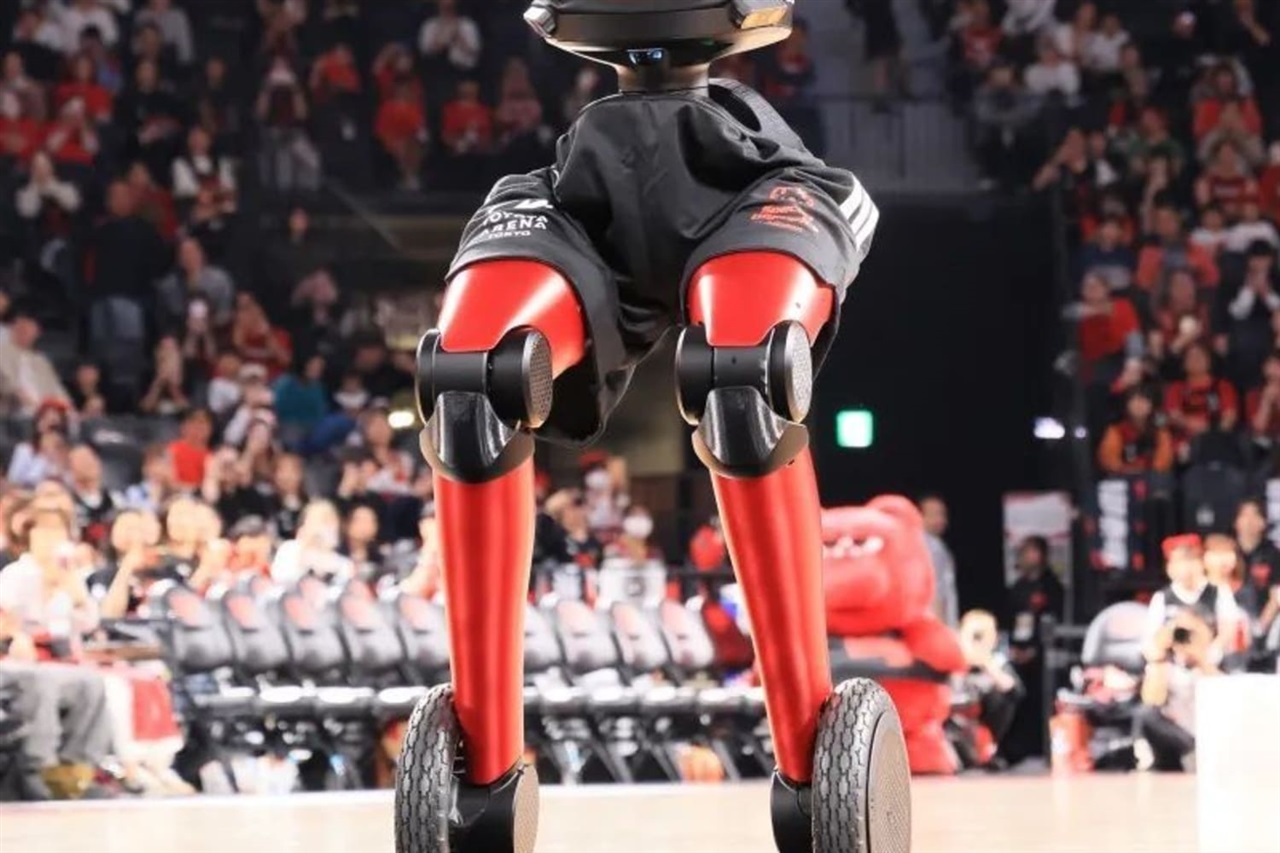
Google pitched Gemini 4 Argon as one model for robot control, simulation and training-data review, saying it s…
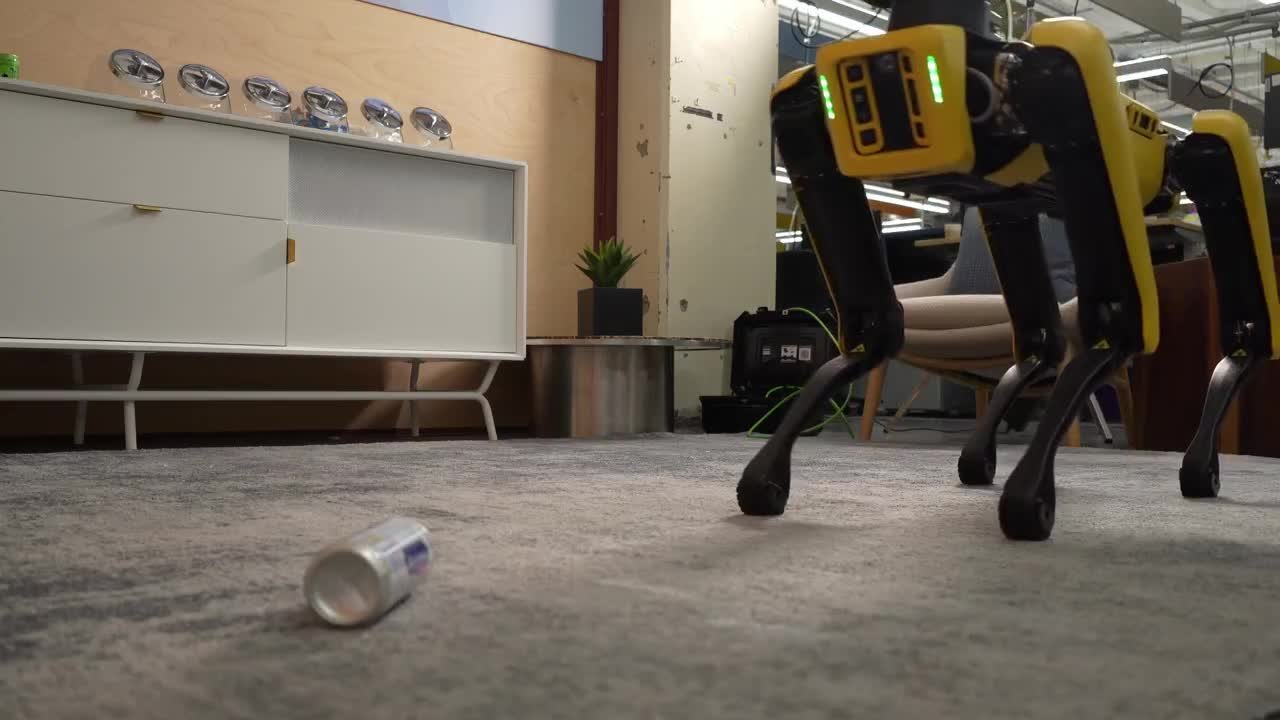
Researcher Sammy Azdoufal discovered Energize Lab's Eiliko robot stores 13 million conversations from 68,000 t…