
What happened
OpenAI launched Astra for Law, wrapping GPT-6 Astra in a legal search index covering US case law, statutes, regulations, court rules and administrative decisions across more than 230 million URLs, and it passed 54% of 200 questions from Vals AI's Legal Research Bench.
Why it matters
The 54% pass rate signals that GPT-6 Astra, when wrapped in a legal index, can find the right authority and passage on just over half of the benchmark's questions, potentially making it useful for law firms doing research and drafting.
What to watch
Initial access is limited to selected firms via a Trusted Access program; the API version gpt-6-astra-law has no date or pricing attached, so availability hinges on OpenAI's rollout schedule.
WHO IT HITSLaw firms and legal software companies that sell to them are the first audience — Harvey Technologies and Legora are named as API customers, and Latham & Watkins is working on governance design.
Summaries like this, in your inbox every morning.
OpenAI's launch of Astra for Law comes two weeks after GPT-6 Astra itself started rolling out on Sept. 3, and the company described the launch as the start of a long-term investment in law. The legal industry has been a focus for AI companies because research and drafting are document-heavy tasks, but accuracy and governance are critical. OpenAI's approach here is to wrap its general model in a specialized legal index that reaches more than 230 million URLs, with case law supplied by the nonprofit Free Law Project's CourtListener database.
The benchmark OpenAI chose, Vals AI's Legal Research Bench, rewards finding the right authority and the right passage inside it. Astra for Law passed on 54% of 200 questions, compared to 38.7% for GPT-6 Astra with web search alone. On case-law questions it found 24% more reference cases, and on a separate audited set it retrieved up to 54% more target passages from the correct opinions. These results suggest the legal index is doing meaningful work beyond what general web search can provide, though the absolute pass rate indicates room for improvement.
OpenAI is not selling this as a standalone model but as a configuration, and it is bringing partners along: twenty-six partner-built plugins connect ChatGPT to tools like Relativity, Clio, iManage and DeepJudge, and Thomson Reuters is bringing HighQ matter context and previewing a connector for CoCounsel Legal. For law firms, the key questions will be governance and data handling. For eligible firms, the API carries zero data retention, and ChatGPT Enterprise usage is excluded from human review by default. Latham & Watkins is working with OpenAI on governance design for information permissions, ethical walls and client instructions, which suggests that trust and compliance are as important as benchmark scores. Whether firms adopt Astra for Law may hinge on how these governance features work in practice and when the API version becomes available, since no date or pricing has been announced.
For example, today's edition would include:
AI-summarized, only the topics you pick — one digest a day via Email, Slack, or Discord.
Free · 30 seconds with Google · unsubscribe anytimeWhat is AIToday? →
Ask AI anything about this article. Q&As are published on this page for other readers too.
Anthropic detailed three metrics — AI-led R&D, oversight of autonomous AI agents, and compute allocation — dis…

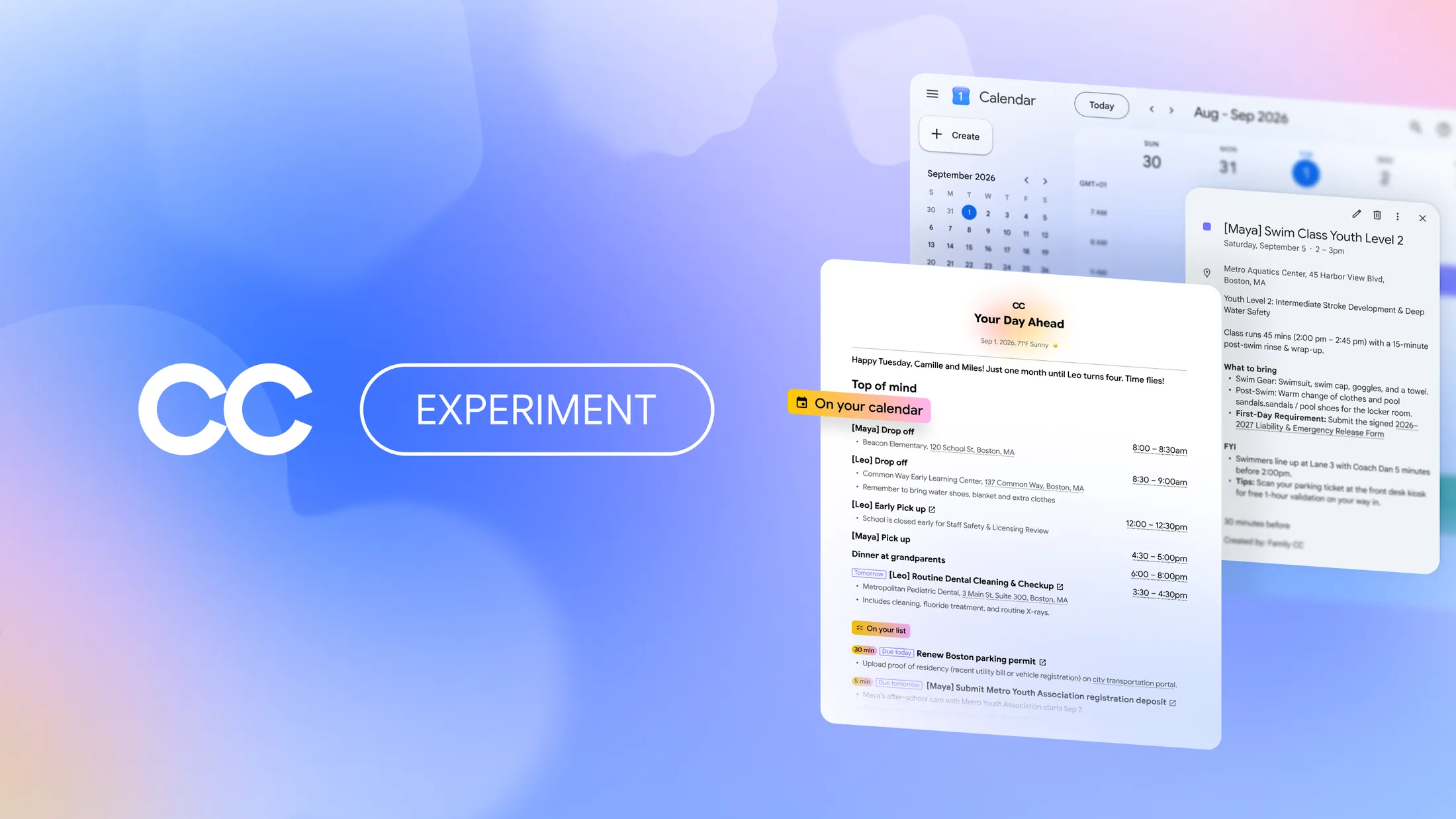
Google Labs opened its experimental AI agent CC to households of up to six people
Britain's royal household announced that King Charles hosted an AI summit at Dumfries House on September 17, d…

Shiseido Japan's AI agent for ingredient discovery cut search time by 95% and increased proposed ingredient ca…

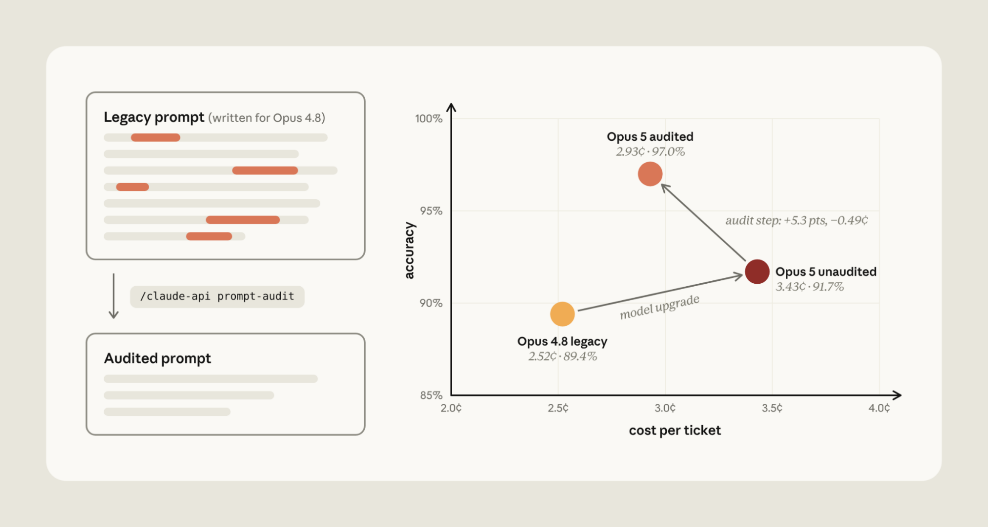
Anthropic published a blog post on September 8, 2026 (US time), outlining six common prompting anti-patterns t…
Microsoft is phasing in a consolidation of its Microsoft 365 Copilot app and experience into Microsoft Copilot…