What happened
OpenAI introduced Astra for Law, built on GPT‑6 Astra with a legal search index covering over 230 million URLs. It passed Vals AI's Legal Research Bench on 54.0% of questions, versus 38.7% for GPT‑6 Astra with web search alone.
Why it matters
Law firms may see AI research tools shift from experimental to practical for real legal work.
What to watch
The 54.0% pass rate is on a private validation set of 200 U.S. legal research questions, not a comprehensive measure of real-world legal accuracy. Whether Astra for Law gains traction with law firms will likely hinge on how well it handles the complexity and nuance of actual legal practice.
WHO IT HITSLaw firms and legal technology companies using AI for research, drafting, and diligence will see a new option from OpenAI. In-house legal teams evaluating AI tools for confidential client work may find the new privacy and governance controls relevant.
Summaries like this, in your inbox every morning.
OpenAI's move into legal AI builds on its frontier model work and addresses a sector where accuracy and confidentiality are paramount. The launch includes not only the core model but also a legal search index that draws on public case law and licensed content from providers like Thomson Reuters. Partnerships with firms such as Sullivan & Cromwell, Ropes & Gray, and Cooley show that OpenAI is co-developing tools with practitioners, which may help ensure the product fits real legal workflows.
The introduction of Astra for Law also brings a set of controls designed for law firms, including the special Trusted Access Program and work with Latham & Watkins on governance features. These steps suggest OpenAI is aware that legal professionals need assurances about data handling before adopting AI for client matters. The 26 ecosystem plugins and community skills further indicate an approach that connects AI to the tools lawyers already use, rather than trying to replace them.
How much this changes legal practice will likely depend on whether Astra for Law can deliver reliable results across the wide range of legal tasks, from research to drafting and diligence. The initial benchmark results are promising, but the true test will be how firms integrate these tools into their workflows and whether the productivity gains materialize in day-to-day work. For now, the launch signals that OpenAI sees law as a long-term investment and is willing to build alongside the profession.
For example, today's edition would include:
AI-summarized, only the topics you pick — one digest a day via Email, Slack, or Discord.
Free · 30 seconds with Google · unsubscribe anytimeWhat is AIToday? →
Ask AI anything about this article. Q&As are published on this page for other readers too.
Anthropic detailed three metrics — AI-led R&D, oversight of autonomous AI agents, and compute allocation — dis…

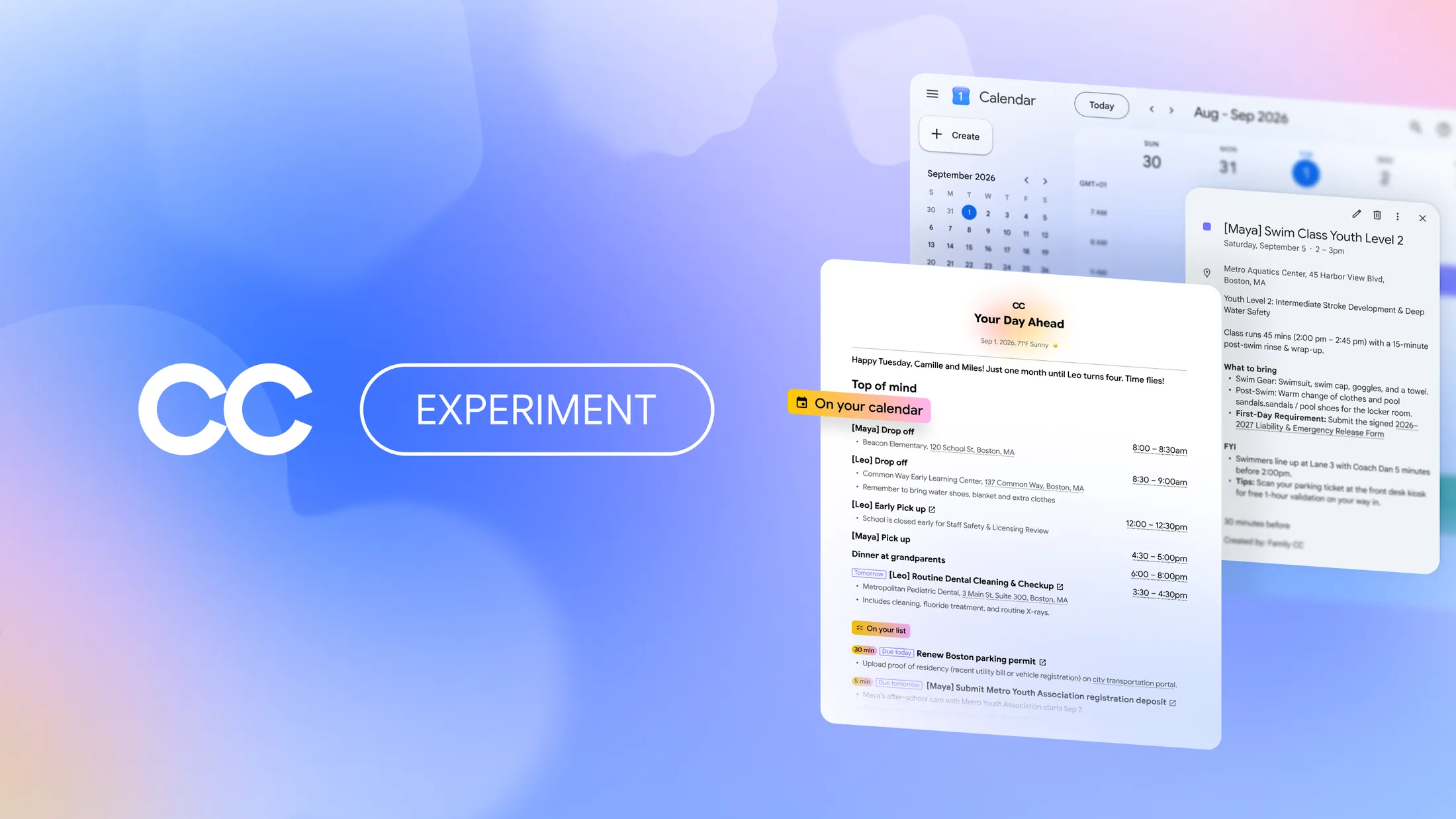
Google Labs opened its experimental AI agent CC to households of up to six people
On September 16, NVIDIA, Google and Emerald AI launched the AI Energy Management Alliance (AEMA), joined by 18…

Britain's royal household announced that King Charles hosted an AI summit at Dumfries House on September 17, d…

Shiseido Japan's AI agent for ingredient discovery cut search time by 95% and increased proposed ingredient ca…

Anthropic published a blog post on September 8, 2026 (US time), outlining six common prompting anti-patterns t…