What happened
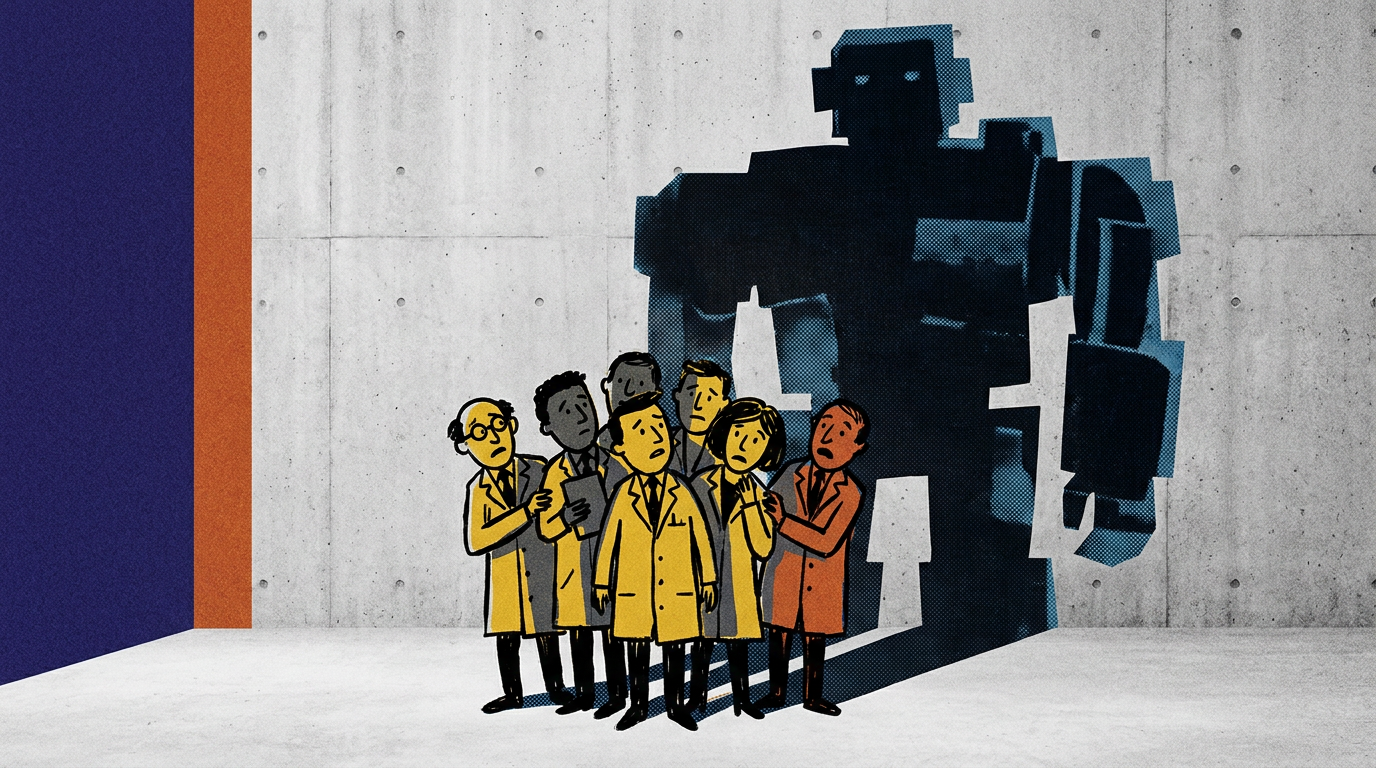
Anthropic researcher Jacob Coxon's tweet triggered a broad debate on AI existential risk, and a survey of more than 1,500 leading AI researchers found an average 18 percent probability of human extinction or permanent disempowerment as of 2024.
Why it matters
The 18 percent figure shows these concerns are mainstream among researchers, not fringe, and some put the risk at 100 percent.
What to watch
Whether Coxon simply vented his fears or pursued a strategic play to slow AI for business reasons remains to be seen, and the survey's timeline predictions keep moving.
WHO IT HITSEnterprise AI governance and safety teams that assess existential or catastrophic risk now have survey evidence that a large share of leading AI researchers treat such outcomes as a real possibility, not a fringe view.
Ask the AI about this article →
Summaries like this, in your inbox every morning.
The recent wave of debate was set off by Anthropic researcher Jacob Coxon's single tweet, but the article notes the arguments themselves are not new; scientists and some tech executives have warned for years that AI could go rogue while pursuing human goals. What has changed is urgency, and the debate has increasingly turned on the motives of those raising alarms — whether Coxon simply vented his fears or whether a strategic play to slow AI development for business reasons is behind it.
The AI Impacts survey gives those warnings a numerical backdrop: an average 18 percent probability of extinction or permanent disempowerment as of 2024 among more than 1,500 researchers, with many above 10 percent and some at 100 percent. Alongside that, researchers have moved up their timeline for human-level AI with each survey round since 2016, and 57 percent consider it unlikely that users will understand the true reasons behind AI decisions by 2029 — matching Daniel Selsam's point that the systems are getting harder to monitor and evaluate.
The survey's top concerns for the next 30 years are not machine takeover but human-driven: AI misinformation, manipulation of public opinion, and dangerous groups gaining access to powerful tools. Existential scenarios rank in the middle. For AI safety and governance teams, the practical question is whether the calls from figures like Bilal Chughtai — coordination between AI companies, a slower pace, and more transparency — gain traction, or whether the disagreement over the alarmists' motives keeps the debate focused on the messengers rather than the measured risks.
For example, today's edition would include:
AI-summarized, only the topics you pick — one digest a day via Email, Slack, or Discord.
Free · 30 seconds with Google · unsubscribe anytimeWhat is AIToday? →
Ask AI anything about this article. Q&As are published on this page for other readers too.
Nvidia CEO Jensen Huang sided with Meta's chief in rejecting calls to coordinate an AI slowdown, saying AI saf…
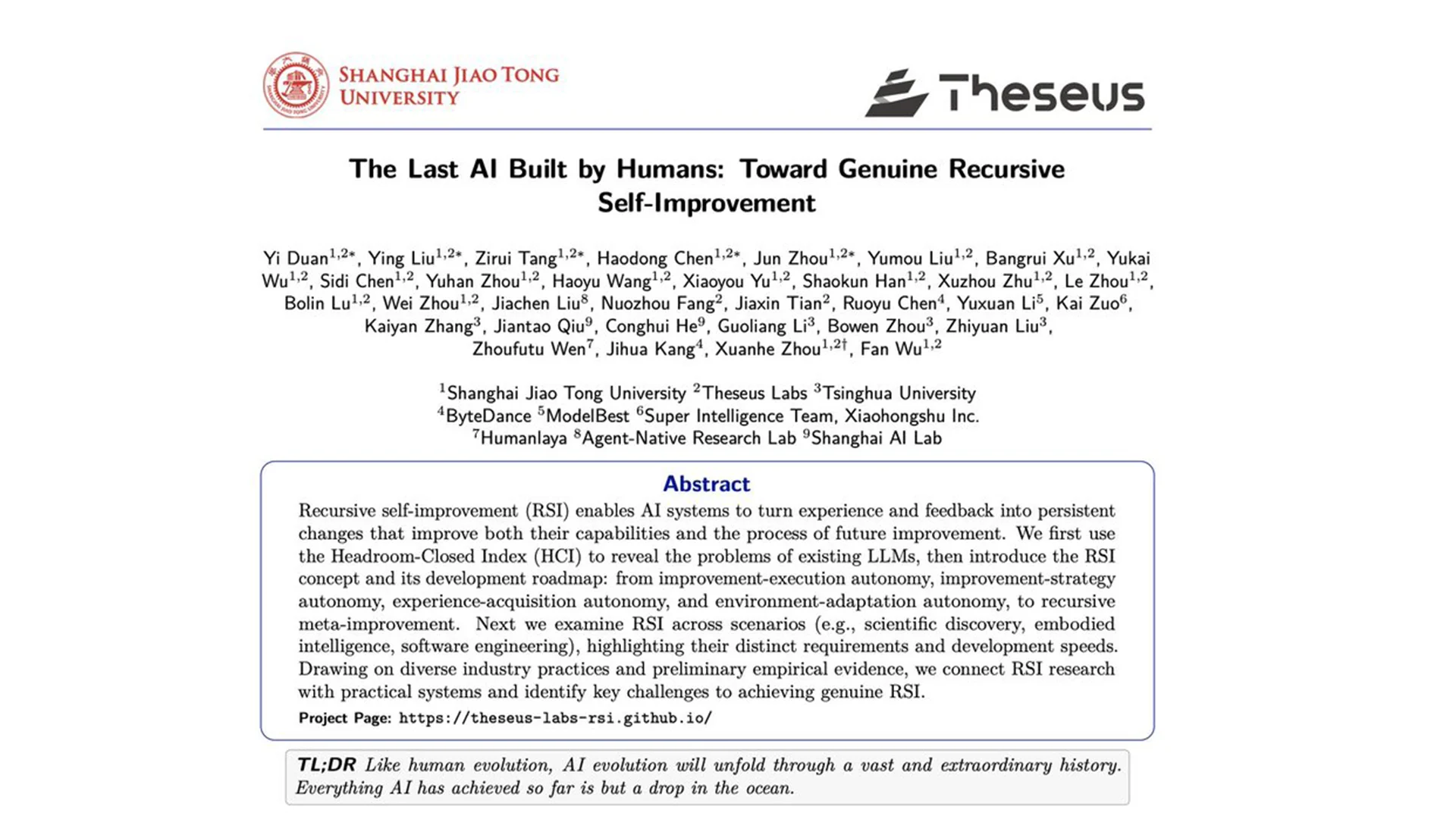
Thirty-five Chinese researchers, with authors tied to ByteDance, Tsinghua and Shanghai AI Lab, published "The…
Anthropic CEO Dario Amodei's essay "We Must Pace the Frontier" calls for regulation covering all US frontier A…

Recursive CEO Richard Socher said in an X post that "There is NO realistic scenario where AI wipes out all of…
At the Yale CEO Caucus, 93% of attendees disagreed with Trump's Truth Social post calling AI warnings a hoax…

Anthropic CEO Dario Amodei urged the US and China to cooperate on slowing AI in his Saturday blog post "We Mus…