What happened
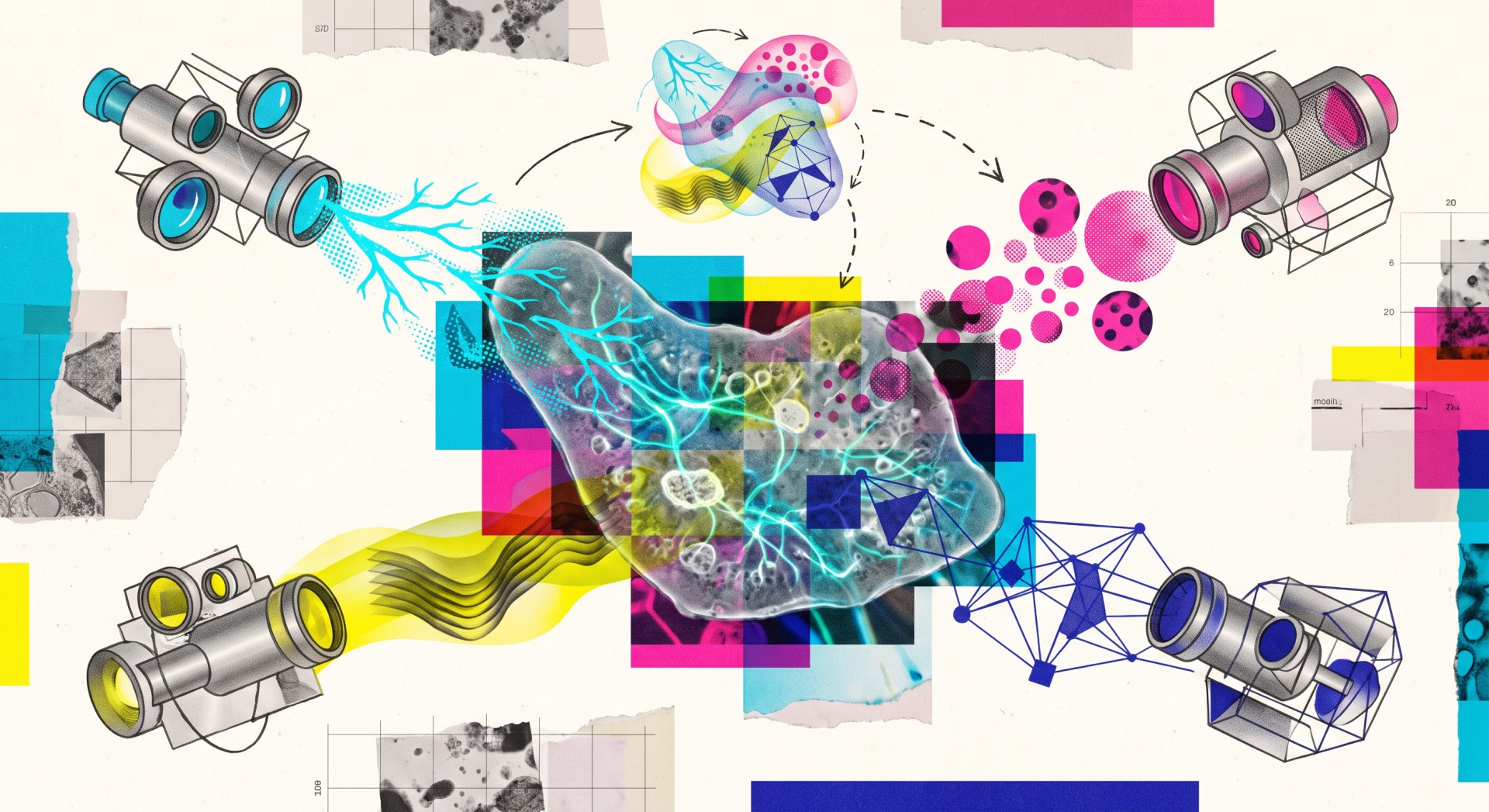
A team led by PhAI Labs, with collaborators from Stanford, Oxford, and Princeton, introduced JEPA-Anything, built on LeCun's JEPA, which splits predictions into four orthogonal factors. It flagged a liver cancer combination of IL-18 and CD73 blockade that beat either alone in lab tests.
Why it matters
The liver cancer combination killed more tumor cells and activated more T cells and natural killer cells in organoids and tumor tissue, suggesting the model can surface testable biology hypotheses, though it doesn't establish whether this could become a therapy.
What to watch
The team only evaluated one training run for the Kepler's third law result, and the authors caution that clean separation of the learned parts doesn't mean they capture cause-and-effect. Whether such a model becomes reliable enough to guide experiment design remains open.
WHO IT HITSAI researchers exploring world models may gain a shared architecture that transfers across domains without redesigning per field, and cancer biologists could see AI-proposed drug combinations enter early lab validation. The approach's reliability for guiding real experiments remains unproven.
Summaries like this, in your inbox every morning.
JEPA-Anything builds on a line of work that began when Yann LeCun proposed JEPA in 2022 as an alternative to generative models. Meta released V-JEPA 2 in June 2025, a 1.2 billion parameter video model that controlled robotic arms without additional training, and LeCun and Randall Balestriero followed with LeJEPA in November 2025. LeCun is now pursuing the approach through his startup AMI Labs, which raised over a billion dollars in March 2026 to build world models.
The paper's liver cancer result also lands in a field where Google Deepmind had already tested an AI-generated cancer hypothesis in the lab in October 2025, with its Gemma-based model C2S-Scale 27B proposing the drug silmitasertib. Deepmind's multi-agent system Co-Scientist now plans experiments and operates lab equipment, though loading samples still requires humans.
Whether JEPA-Anything's shared architecture translates into reliable experiment design hinges on whether the learned factors capture real cause-and-effect relationships, which the authors say is an open question. For AI researchers, the appeal is a single principle across domains; for cancer biologists, the value depends on the model's predictions surviving further validation beyond the initial lab tests.
Pick your industry and the AI tools you use, and get news related to your work every day.
Free · 30 seconds with Google · unsubscribe anytimeWhat is AIToday? →
Ask AI anything about this article. The AI reads this article, earlier AIToday articles, and Wikipedia, and cites its sources. Q&As are published on this page for other readers too.
ITRI said robotics is shifting from traditional automation equipment into a productivity tool for every indust…
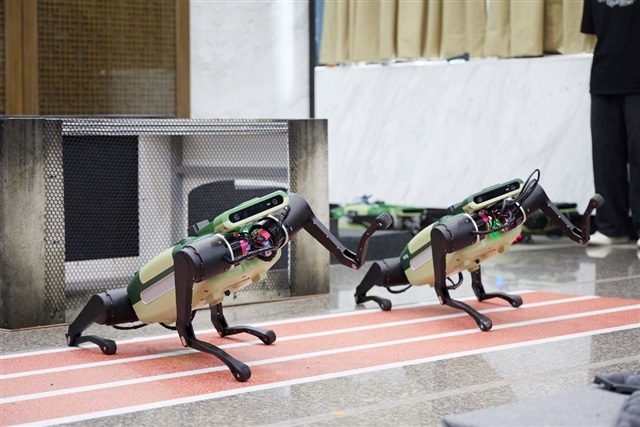
Aigen says Element learned lettuce in its Alchemy simulation, then deployed to the field in under a week

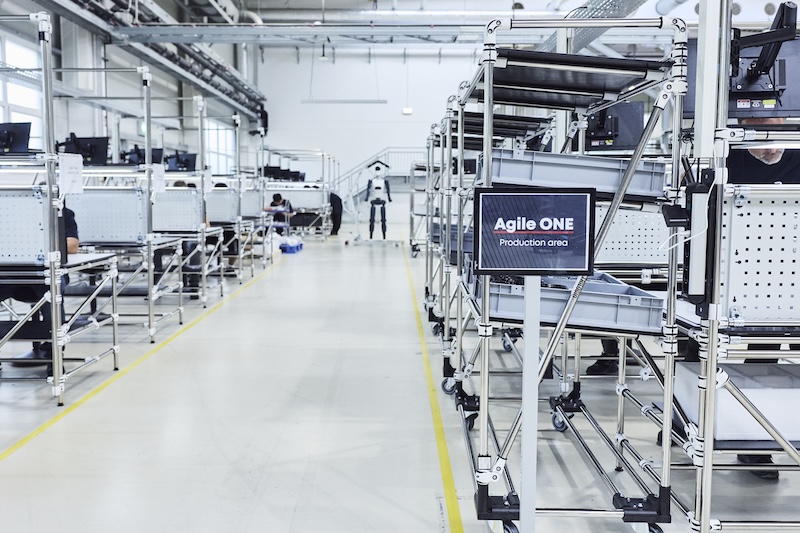
Agile Robots CEO Zhaopeng Chen said at the company's Physical AI Media Day that "physical AI is going to be 10…
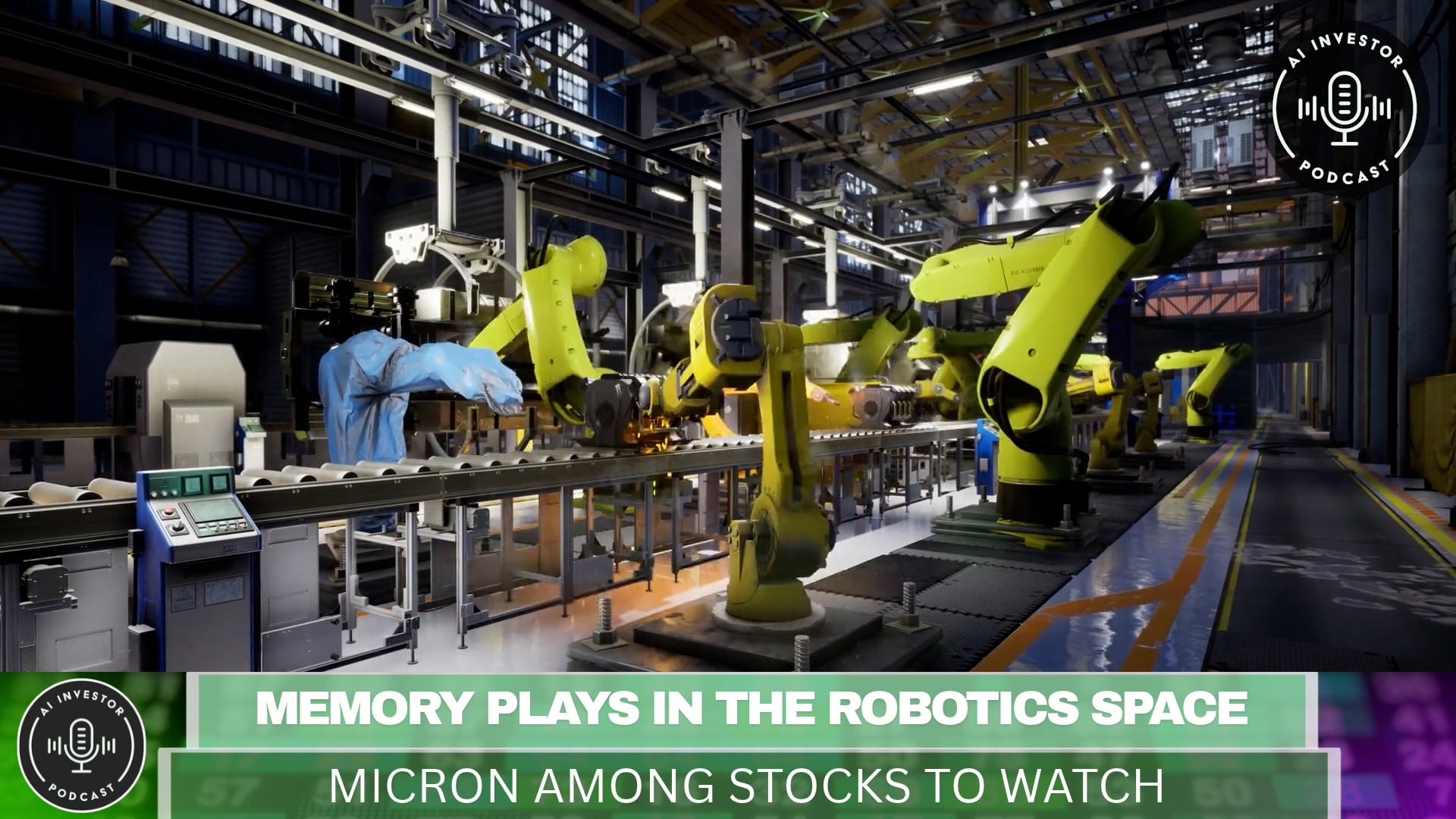
On The AI Investor Podcast, co-hosts Eric Bleeker and Austin Smith discussed the future of robotics and how ph…
Reactor said it added Nvidia's venture capital arm and Sapphire Ventures to its cap table, bringing its total…
Ency Software and Estun began a technology partnership and completed integration work