What happened
At DevDay 2026, OpenAI announced Codex Security Cloud for scanning GitHub repositories, reusable cloud environments for Codex, an Agents API with Computer Use, and a Decisions API using GPT-6 Luna.
Why it matters
Security teams get on-demand or scheduled repository scans, and developers can build agents that operate software themselves, with the Decisions API making decisions ten times faster than GPT-6 Luna through the regular API.
What to watch
The Ultrafast tier promises up to eight times faster token generation at six times the API price, but existing Pro plan limits are cut and the main test is whether the speed justifies the cost for heavy users.
WHO IT HITSEnterprise security teams and developers building on OpenAI's platform are directly affected, as Codex Security Cloud scans repositories and the Agents API enables software-operating agents, while Ultrafast's pricing may push heavy API users to reassess costs. The US government, defense agencies, and allied AI developers also gain access through Azure OpenAI's FedRAMP authorization, though the article does not specify which agencies will use it first.
Summaries like this, every morning.
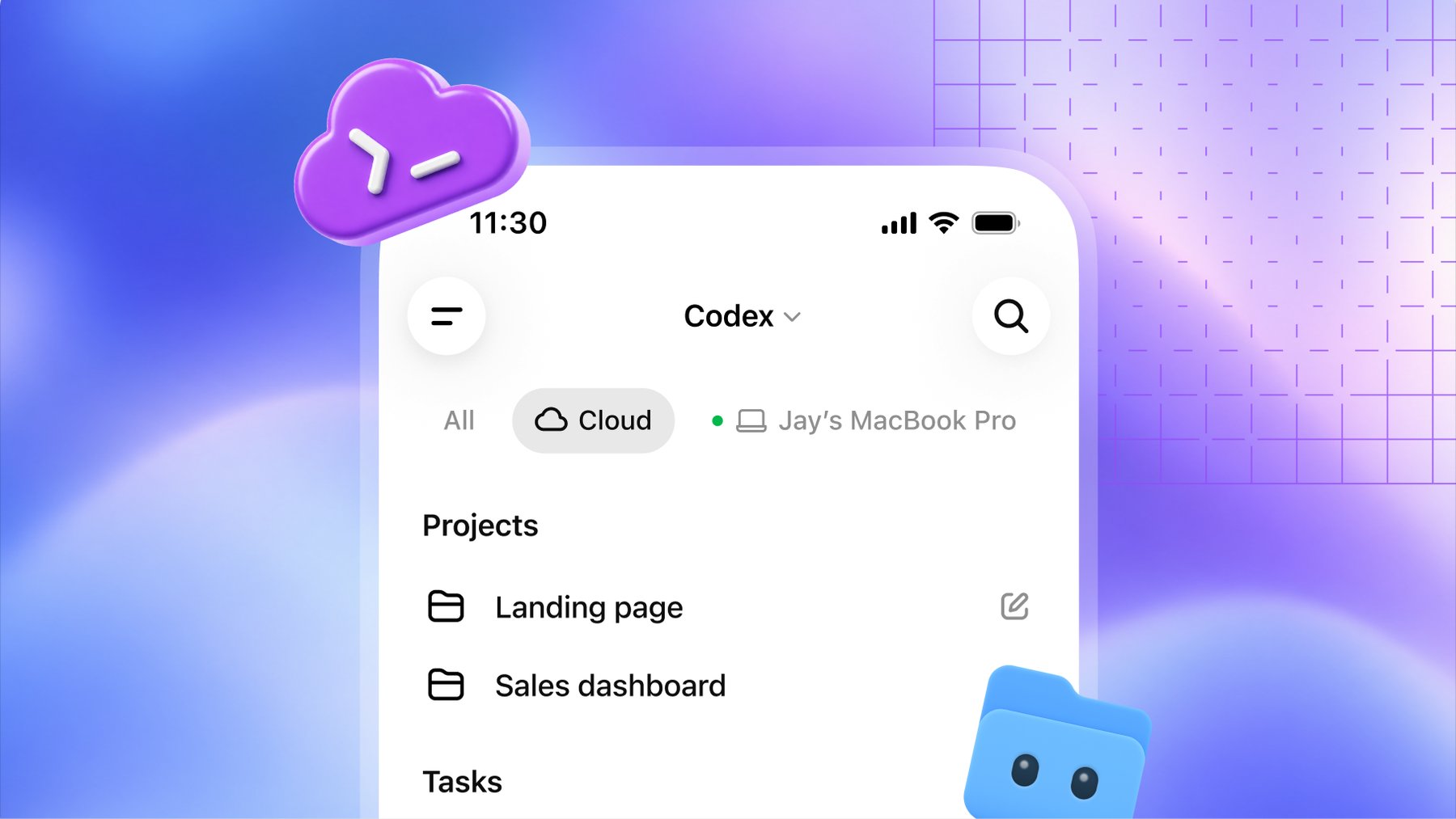
At DevDay 2026, OpenAI rolled out a set of updates that deepen Codex's role as a cloud-based development environment. For the first time, teams can reuse development configurations with approved settings, and Codex Security Cloud scans repositories on demand or on a schedule, keeping watch for new commits. These moves build on OpenAI's earlier steps, such as adding Codex control through the ChatGPT smartphone app in May and releasing the open-source Codex Security CLI in July. The new Agents API additions, including Computer Use, let agents operate software on their own, while the Decisions API uses a version of GPT-6 Luna for fast, single decisions, a field where TypeSafe AI's Jev recently generated developer interest.
The broader context includes OpenAI's partnership with Amazon on Bedrock Managed Agents, which now takes on core Agent API features so developers can build agents that run entirely on AWS. OpenAI also announced "Frontier" for enterprises and a FedRAMP "In Process" status for ChatGPT Enterprise on AWS, a security milestone. The Ultrafast tier, however, comes with a trade-off: it is up to eight times faster in Codex but costs six times the standard API rate, and OpenAI is simultaneously cutting some limits for existing Pro plan users. The outcome hinges on whether the speed gains justify the price for heavy users, and on how enterprises weigh the new security and agent tools against the cost.
Pick your industry and the AI tools you use, and get news related to your work every day.
Free · 30 seconds with Google · unsubscribe anytimeWhat is AIToday? →
Ask AI anything about this article. The AI reads this article, earlier AIToday articles, and Wikipedia, and cites its sources. Q&As are published on this page for other readers too.
Gemtek Technology returned to operating profitability in the third quarter of 2026, with margins improved and…
SpaceX announced roughly $24 billion for an AI supercomputing center at Starbase, Texas, and about $50 billion…

SentinelOne averaged 21% revenue growth over the last three years versus -2% for C3.ai; its 12-month revenue w…

Jamie Dimon said JPMorgan Chase is "not gonna allow just any" outside AI agent inside the company, warning "Yo…

Hithink RoyalFlush Information Network (valued at about CN¥149.23b) and SSI Securities (about ₫60.6t, 44.4% ne…

Interconnects argues Jensen Huang's resignation from Nvidia removes open models' biggest backer, warning his f…